
Review · THRACIAN & ROMAN HERITAGE
Sofia: Augusta Trayana – From Neolithic to Modern Times Tour
Ancient Stara Zagora makes a fine day trip. This 11-hour outing takes you three hours from Sofia to one of Bulgaria’s best archaeological areas, then links Neolithic dwellings with Roman ruins, early Christian mosaics, medieval finds, and Ottoman religious history. It gives you a useful sweep through thousands of years without asking you to arrange several separate museums and transfers.
I like the small group of up to eight people, which should make questions and conversation easier than on a large coach tour. I also like the strong mix of sites: the Neolithic Houses Museum and the original Roman forum are very different experiences, and both help explain how the city developed. The main drawback is the long road time. You spend about six hours in the vehicle for a full day of sightseeing, and food and drinks are not included.
The guide speaks English, provides hotel pickup and drop-off in Sofia, and handles entrance fees. That makes this a practical choice if you want Stara Zagora explained in context rather than simply reached by train or car. One small museum rule may catch you off guard: photography policies can be enforced unevenly, so ask before using a camera.
In This Review
- Key points to know before booking
- Why Stara Zagora works as a day trip from Sofia
- The Neolithic Houses Museum and Stone Age life
- Walking the Roman forum of Augusta Trayana
- The Archaeological Museum’s long timeline
- A Late Roman home and its early Christian mosaics
- The Museum of Religions in a former mosque
- The three-hour return and practical comfort
- Who will get the most from this tour?
- Should you book the Augusta Trayana tour?
- FAQ
- How long does the tour from Sofia to Stara Zagora last?
- What language is the live tour guide?
- Is hotel pickup and drop-off included?
- What does the $116 price include?
- Are food and drinks included?
- Can I cancel the booking for a refund?
Key points to know before booking
- Three hours each way from Sofia: This is a full-day excursion, not a quick city visit.
- Neolithic houses preserved in place: The dwellings offer a rare look at Stone Age buildings and religious objects.
- Roman Augusta Trayana under your feet: You walk along the original Decumanus Maximus and Cardo Maximus at the city forum.
- Several eras in one archaeological museum: Displays cover Neolithic, Thracian, Roman, medieval Bulgarian, and Ottoman periods.
- Early Christian mosaics in a private home: The Late Roman residence adds domestic detail to the larger public ruins.
- An Ottoman mosque turned Museum of Religions: The final major stop shows how one building can carry several layers of belief and use.
Why Stara Zagora works as a day trip from Sofia
Stara Zagora Province is far enough from Sofia to feel like a proper change of place, but the tour keeps the day organized with direct transport. The drive takes about three hours in each direction, so I would treat the journey as part of the price of reaching a city with archaeological remains from several periods.
The reward is range. In one day, you move from Stone Age settlement to Thracian and Roman material, then to medieval Bulgaria and the Ottoman period. Many historic sites focus on one chapter. This excursion works better as a broad introduction to the area’s long human story.
You begin with hotel or accommodation pickup in Sofia and travel in a modern vehicle. Since the group is limited to eight participants, the setting should feel more personal than a standard bus outing, with a better chance to ask the guide about objects, dates, and the changing role of the city.
The tour is priced at $116 per person. That is not a bargain basement day trip, but the price includes transport, a professional English-speaking guide, hotel pickup and drop-off, and entrance fees. When you add the distance and the number of included sites, the cost makes sense for anyone who values a handled day rather than arranging every part alone.
More Thracian & Roman Sites in Sofia
- From Sofia: Valley of the Thracian Kings: Hidden Treasures
★ 4.7 · 36 reviews - Valley of the Thracian Kings, Hidden Treasures
★ 5.0 · 28 reviews - From Sofia: Rose Valley Tour & UNESCO Site Kazanlak
★ 4.6 · 12 reviews
The Neolithic Houses Museum and Stone Age life
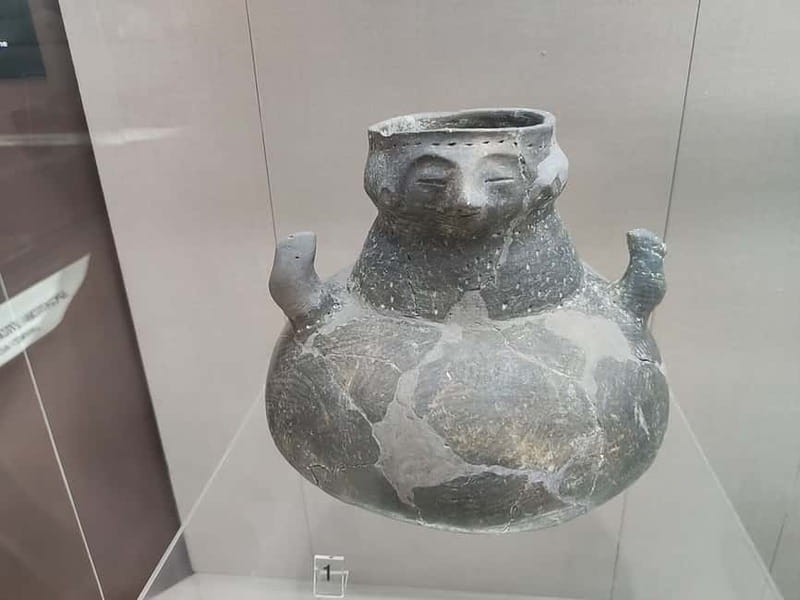
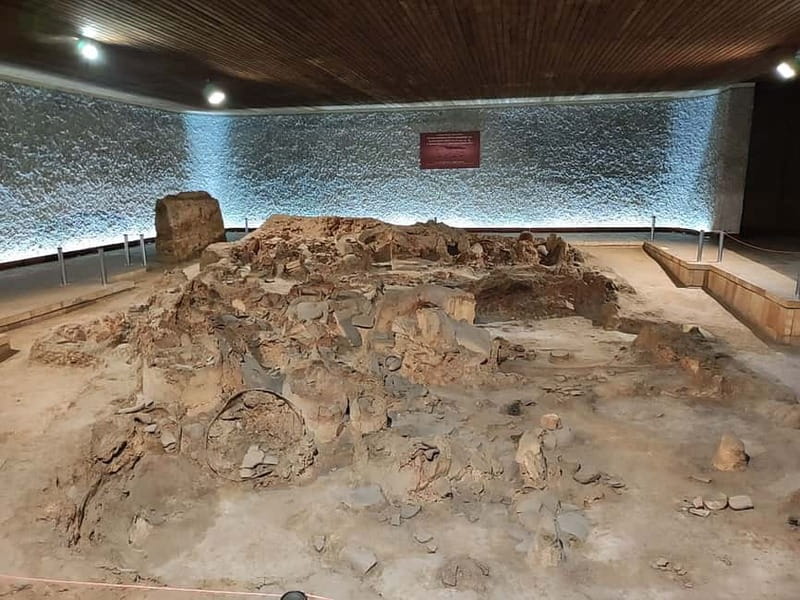
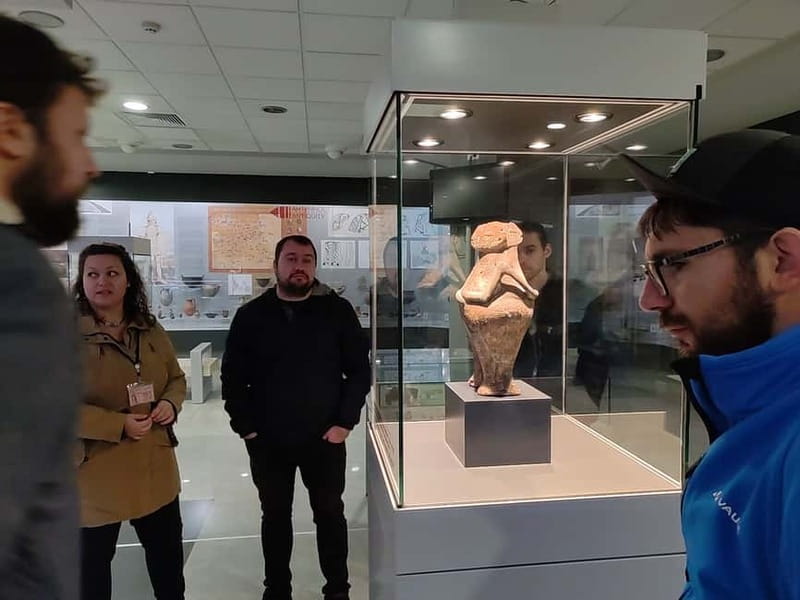
The first major stop reaches far back before Roman roads or Bulgarian medieval towns. The Neolithic Dwellings Museum presents some of the best-preserved prehistoric buildings in Europe, giving you a rare chance to look at actual early structures rather than only small objects in glass cases.
The power of this stop comes from scale. Archaeological artifacts are useful, but preserved buildings help you picture how Stone Age people organized their homes and daily lives. You can look at the construction and then connect it with the collection of objects found in the area.
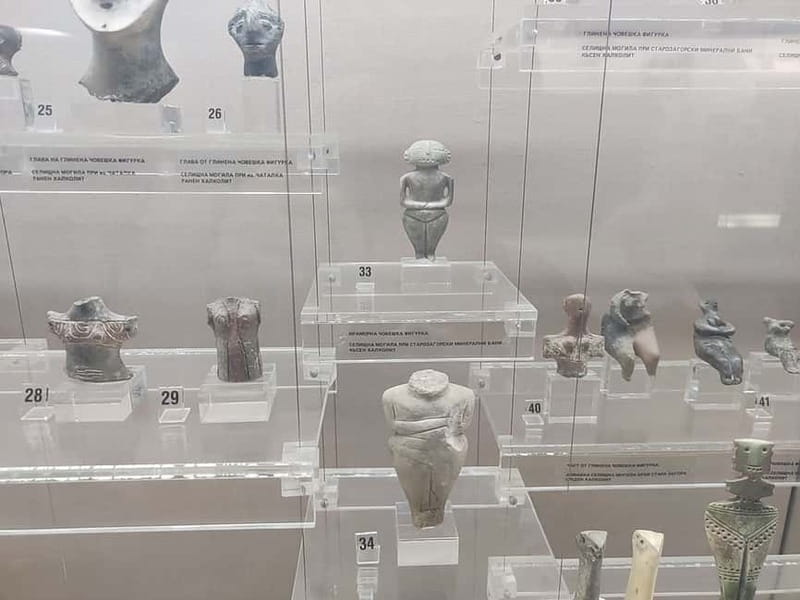
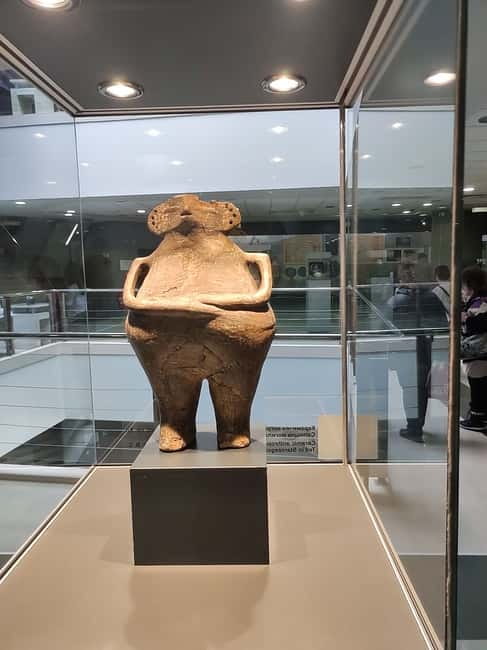
The museum also covers culture and religion. That matters because prehistoric archaeology is not only about tools and pottery. Objects connected with belief offer clues about how people understood family, community, death, and forces beyond the visible world.
I would pay close attention to the guide here. A strong explanation can turn a set of old walls into a human story. Without context, the remains may seem simple. With context, the museum becomes one of the day’s most memorable stops because it shows how much can survive from a period so far removed from modern Bulgaria.
Photography may require care. At least one museum official did not permit a small travel camera while allowing a phone to be used, so ask about the current rule before taking pictures. It is a minor issue, but it can be irritating if you are hoping to document the displays.
Walking the Roman forum of Augusta Trayana
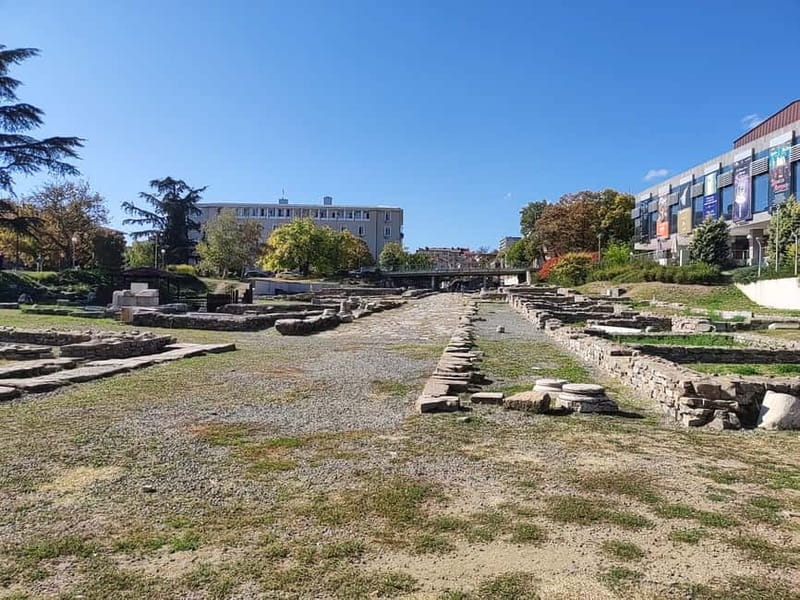
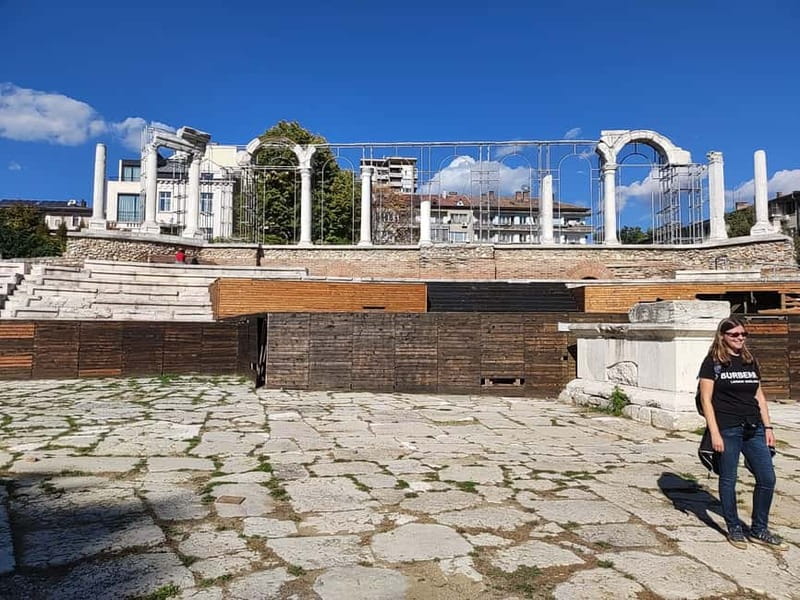
The tour then moves to Augusta Trayana, the Roman city that grew into the ancient center of Stara Zagora. Here you walk on the original Decumanus Maximus and Cardo Maximus, the two major streets that meet at the forum.
Those names can sound like textbook material until you are standing at the crossing. The streets show how the city was planned, with the forum serving as a public space where the city council made important decisions. The same area also hosted gladiator fights, so this was not just an administrative center. It was a place for politics, spectacle, and public life.
I like this stop because it makes Roman urban design easier to read. Instead of seeing scattered stones, you get the shape of a working city: roads, a central gathering place, and civic activity. The original paving gives the site a physical quality that a reconstructed model cannot match.
The Roman section is outdoors, so comfortable shoes are a sensible choice. The tour description does not specify how much free time you receive at each stop, so keep your schedule open and follow the guide’s pace. The strength of this visit lies in the explanation of how the forum functioned, not only in taking a quick look at the remains.
The Archaeological Museum’s long timeline
The Archaeological Museum gathers material from the city and its surrounding area. Its displays cover the Neolithic period, the Thracians, the Romans, medieval Bulgaria, and the later Ottoman rule.
This is where the day’s separate pieces begin to connect. The Neolithic museum shows buildings and early belief. The Roman forum shows the city as a public and political center. The museum places those chapters beside later periods, helping you see Stara Zagora as a place that changed hands, customs, and institutions over time.
I would not rush through this collection. The range is its main value, but range can also be its weakness. A museum spanning so many eras may feel dense if you prefer one narrowly focused subject. The guide is especially useful here, since an explanation of what matters most can save you from treating every object as equally important.
The collection also gives useful balance to the outdoor ruins. Archaeological streets tell you where people moved. Museum objects can tell you what they made, used, valued, or carried with them. Together, the two stops offer a fuller picture of Augusta Trayana and the city that followed it.
Elsewhere in Bulgaria, a very different sort of day:
- From Sofia: Rila Monastery & Boyana Church Day Tour
★ 4.7 · 5,107 reviews - From Sofia: Must-See Rila Monastery & Boyana Church Day Tour
★ 4.6 · 3,322 reviews - From Sofia: Guided Day Tour of Plovdiv’s Must-See Sights
★ 4.6 · 1,688 reviews - From Sofia: 7 Rila Lakes and Rila Monastery Extended Trip
★ 4.7 · 1,189 reviews
A Late Roman home and its early Christian mosaics
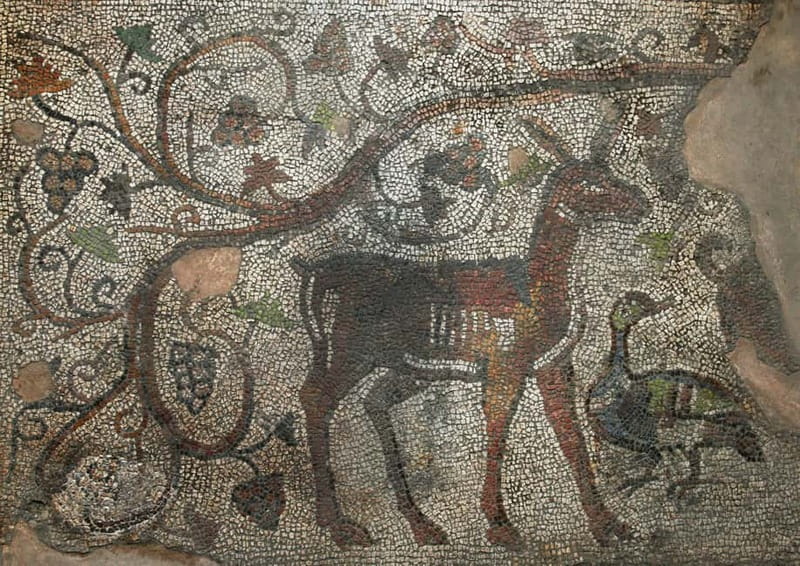
After the museum, you visit a Late Roman private home. This is a welcome shift from public monuments to domestic life, with mosaics made in an early Christian style.
Private homes often give a more intimate look at the past than forums do. A forum tells you about civic power and public entertainment. A house suggests how a family decorated its space and how religious ideas appeared in everyday surroundings.
The mosaics are likely to be a highlight for anyone interested in Roman art or the spread of Christianity. The early Christian style links the home to a period of change, when older Roman customs and new religious practices existed alongside one another.
This stop is also a useful reminder that an ancient city was not only temples, councils, and arenas. People lived there, decorated their homes, and expressed identity through design. I would let the guide explain the imagery and setting rather than treating the mosaics as a fast photo stop.
The Museum of Religions in a former mosque
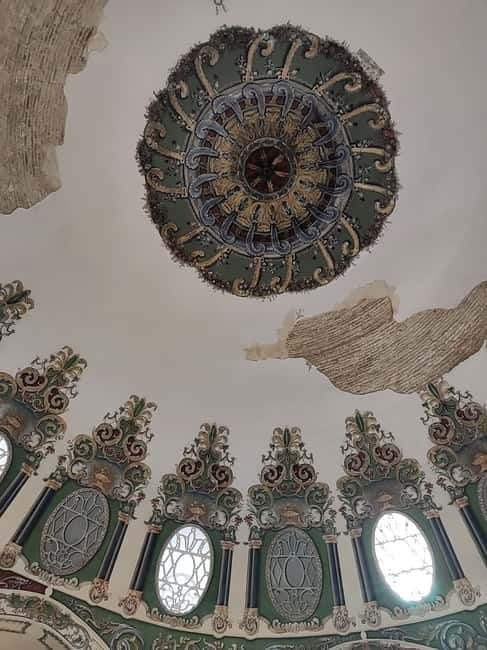
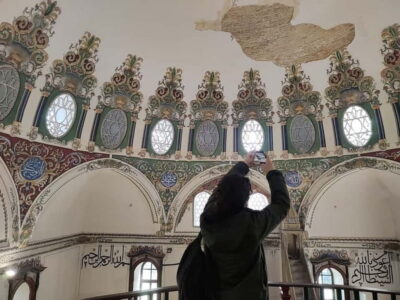
The final major visit takes you to the Architectural Complex Museum of Religions, located in a former mosque that survived from the Ottoman era. The building adds another kind of historical evidence: not only objects and ruins, but a place of worship that continued into later centuries.
The site is valuable because it shows how Stara Zagora’s religious story changed over time. The museum’s setting in an Ottoman mosque gives the visit a physical connection to Ottoman rule, while the wider complex places that period alongside earlier beliefs and practices.
I find this kind of stop especially useful after the Neolithic and Roman visits. The day is not presenting the past as one frozen period. It is showing layers, with buildings and institutions reused, adapted, or remembered in new ways.
The Museum of Religions also gives the schedule a thoughtful finish. After Stone Age homes, Roman streets, and a Late Roman residence, you end with a building tied to a much later period. It rounds out the historical sequence before the return drive to Sofia.
The three-hour return and practical comfort
Once the final visit ends, you relax during the trip back to Sofia. The return journey is long, so the modern vehicle and hotel drop-off matter. You do not have to find a station, manage a connection, or arrange a taxi after a full day on your feet.
The day lasts 11 hours, with starting times depending on availability. I would plan for a demanding schedule and avoid adding another major activity in Sofia that evening. The tour includes no food or drinks, so arrange your own meals and refreshments. The supplied information does not specify a meal stop, so do not assume lunch is provided.
Wheelchair access is listed, which makes the tour more approachable, though the exact conditions at each archaeological site are not described. If you use a wheelchair, confirm the practical details for the outdoor Roman remains and museum entrances before booking.
Free cancellation is available up to 24 hours before departure for a full refund. You can also reserve now and pay later, which helps if your Sofia plans are still shifting.
Who will get the most from this tour?
I would choose this outing if you have a serious interest in archaeology and want more than Sofia’s central sights. The French-language comment in one booking record makes the appeal clear: anyone who likes archaeology is likely to find the program especially rewarding, though the guided language is English.
This tour suits you best if:
- You want several historical periods in one day.
- You prefer a guide to explain what you are seeing.
- You are comfortable with three hours of travel each way.
- You value included tickets and door-to-door transport.
- You like small groups instead of large coach tours.
- You want to see Stara Zagora without planning the route yourself.
I would think twice if you dislike long road journeys or want a slow visit with plenty of unscheduled time. The program covers a lot, and the distance from Sofia limits how leisurely the day can feel.
The available feedback is strongly positive, with a perfect rating from two verified bookings. The most praised part is the guide, described as interesting, well-informed, and pleasant. That personal quality matters here because the sites span so many eras, and the guide is the thread tying them together.
Should you book the Augusta Trayana tour?
Book it if you want a serious history day and are willing to trade six hours of road time for a wide view of Bulgaria’s past. The mix of Neolithic buildings, Roman streets, museum collections, early Christian mosaics, and an Ottoman mosque is unusually broad for one organized trip.
At $116, I see the strongest value in the combination of small-group transport, hotel pickup and drop-off, entrance fees, and an English-speaking guide. It is not the right pick for a relaxed food-focused day or a quick side trip, but it is a sound choice for an archaeology-minded visit to Stara Zagora.
Bring comfortable shoes, plan your own food and drinks, and ask about camera rules at each museum. If those details suit you, this is one of the more useful ways to place Bulgaria’s ancient and modern periods in the same frame.
FAQ
How long does the tour from Sofia to Stara Zagora last?
The experience lasts 11 hours. Travel from Sofia to Stara Zagora takes about three hours, followed by the visits and the return trip.
What language is the live tour guide?
The live guide speaks English.
Is hotel pickup and drop-off included?
Yes. Pickup and drop-off at your hotel or accommodation in Sofia are included.
What does the $116 price include?
The price includes transport in a modern vehicle, a professional guide, hotel pickup and drop-off, and entrance fees.
Are food and drinks included?
No. Food and drinks are not included, so you should make your own arrangements.
Can I cancel the booking for a refund?
Yes. You can cancel up to 24 hours in advance for a full refund. The tour also offers a reserve now and pay later option.
Recently added around Sofia
- Veliko Tarnovo & Arbanasi Full day tour★ 5.0 · 5 reviews
- Private Winter Day Trip to the Rila Mountain★ 4.5 · 3 reviews
- Private transfer from Sofia to Plovdiv or vice versa★ 5.0 · 8 reviews
- Zemen Monastery, Boyana Church and National History Museum Tour★ 5.0 · 2 reviews
- Sofia Hidden Gems: Small-Group Walking Tour with Tram Ride★ 5.0 · 7 reviews
- Catacomb Tour in Sofia guided by a Local★ 4.5 · 3 reviews
- Tour to Koprivshtitsa and the Buzludzha monument incl the Seuthes Thracian Tomb★ 3.5 · 3 reviews
- From Sofia: The gorges of Trun and Dragovski stone trail★ 5.0 · 6 reviews
Thracian & Roman Heritage, compared.
Kazanlak-Rose Valley-Valley of the Thracian Kings – private tour from Plovdiv
Read our review →
Plovdiv Walking Tour To Old Town And Ancient Roman Landmarks
Read our review →
Perperikon, Haskovo and Thracian Tomb Full-Day Trip
Read our review →Browse the lists this tour appears in