
Review · ROSE VALLEY TRIPS
Valley of the Thracian Kings, Hidden Treasures
Ancient tombs hide beyond the rose fields. This long day from Sofia takes you into Bulgaria’s Valley of the Thracian Kings, where burial mounds, painted chambers, and museum treasures reveal a civilization that left more questions than written records. I especially like the four different Thracian tombs and the chance to see rural Bulgaria from a comfortable private vehicle. The main drawback is the travel time: expect roughly three hours each way, so your guide can make or break the day.
The tour costs $119.27 per person, including pickup, transport, entrance fees, and a professional English-speaking guide. That is a fair package for a full day outside Sofia, though the value depends heavily on the guide assigned. Strong guides such as Ivan, Krassimir, Lyubo, Daniel, and Adrian have turned the drive into part of the experience. One poor guide can leave you with a very different day.
In This Review
- Key points at a glance
- Why the Thracian Valley is worth a day from Sofia
- The long road from Sofia to Kazanlak
- Kazanlak Tomb and its painted chamber
- Grifoni Tomb and the signs of elite power
- Ostrusha Tomb and its remarkable ceiling
- Iskra Historical Museum puts the objects in context
- The guide can turn the drive into a history lesson
- Is $119.27 a fair price?
- Who will enjoy this excursion most?
- Practical details before you go
- Should you book the Valley of the Thracian Kings tour?
- FAQ
- Where does the tour begin?
- How long does the experience last?
- Which attractions are included?
- Are entrance fees included?
- Is food included?
- What size group should I expect?
- Can I cancel for a full refund?
Key points at a glance
- Four Thracian tombs in one day: See the Kazanlak Tomb, Grifoni Tomb, Ostrusha Tomb, and another burial site, including one reconstruction according to the tour experience.
- Kazanlak’s UNESCO importance: The tomb is famous for its original frescoes from the end of the fourth century BC, though the fragile original site has access limitations.
- A long but scenic road trip: The drive takes about three hours each way, passing fields, villages, plains, mountains, and sunflower country.
- Museum context in Kazanlak: Iskra Historical Museum displays artifacts and Thracian art connected with the tombs.
- Guide quality matters greatly: The best guides have training in history or archaeology and explain the tombs within Bulgarian history.
- Small-group format: Groups are generally limited, with the stated maximum at 15 people and smaller groups organized when possible.
Why the Thracian Valley is worth a day from Sofia
The Thracians are familiar names in Bulgarian history, but they remain partly mysterious. They left tombs, gold, ceramics, weapons, paintings, and traces of powerful rulers. They did not leave a large body of written material in their own voice, so much of what you learn comes from archaeology and from Greek and Roman writers.
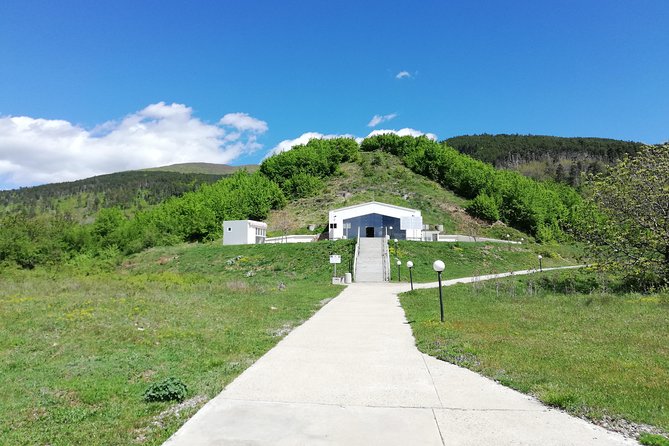
That makes the setting important. The Valley of the Thracian Kings contains about 1,300 burial mounds, with around 300 excavated. These are not isolated curiosities. Together, they show that this area served as a major burial ground for Thracian elites over several centuries.
You also get a glimpse of the Valley of the Roses, one of Bulgaria’s main rose-oil producing regions. The tour is not presented as a rose-growing visit, but the agricultural setting helps explain why this part of the country feels different from Sofia. The road leads through open farmland, smaller towns, and mountain country rather than urban Bulgaria.
I like this mix of archaeology and ordinary life. You see the places where ancient rulers were buried, then pass modern villages and working fields on the way back. It gives the day more meaning than a simple museum visit.
More Rose Valley Trips in Sofia
- From Sofia: The Rose Valley & Buzludzha Monument Day Tour
★ 4.8 · 77 reviews - From Sofia: The Rose Valley & Koprivshtitsa 12 hrs Day Tour
★ 4.7 · 39 reviews - From Sofia: Valley of the Thracian Kings: Hidden Treasures
★ 4.7 · 36 reviews
The long road from Sofia to Kazanlak
Pickup begins at 8:00 am, and the company collects clients from any point in Sofia. Transport is by private vehicle, with hotel pickup and drop-off included. The vehicle has been described as a comfortable van, and smaller groups of two or three people have operated on some departures.
The drive to the valley takes about three hours. That is a serious amount of sitting, so bring water, dress for a full day, and treat the road time as part of the outing. A good guide can use it to explain Thracian society, Bulgarian history, and the places you are about to see. Guides with strong backgrounds in history or archaeology have done exactly that.
You may also see wide sunflower fields, rural towns, plains, and mountains. Shipka and Buzludzha can appear in the distance from some of the tomb sites. These views are an unexpected bonus, but they are not a replacement for commentary. One difficult experience involved almost no explanation during the drive, leaving the passenger with long stretches of silence. Ask about the guide before booking if the history matters most to you.
The group size is listed as a maximum of 15 people, while the operator also organizes small groups of up to seven and offers private tours. Since the tombs can be small, a smaller group is more comfortable and makes it easier to hear the guide.
Kazanlak Tomb and its painted chamber
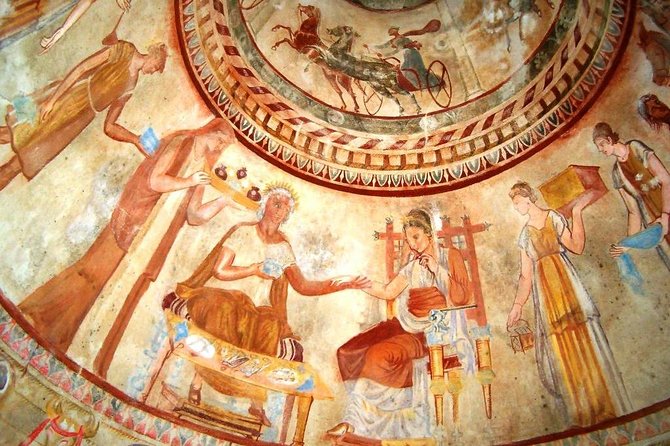
The first major stop is the Thracian Tomb of Kazanlak, the best-known site in the valley. It dates from the end of the fourth century BC and is listed as a UNESCO World Heritage Site because of its exceptionally preserved frescoes.
The paintings are the reason this tomb matters. They offer a rare look at Thracian art, with figures and scenes connected to the burial of an important person. The original frescoes are fragile, and the tomb itself is small. You should not expect a grand underground complex or a wide-open archaeological hall. This is a compact monument where careful preservation matters more than spectacle.
The tour description also explains that a reconstruction is used among the sites visited. That is useful because it allows you to understand the shape and decoration of a burial chamber without putting the original artwork at greater risk. You may find the reconstructed setting easier to appreciate than a quick glance at a protected original.
Your guide’s explanation is especially important here. Without context, you see a narrow passage and painted walls. With a strong guide, you can connect the frescoes to Thracian beliefs about death, status, ritual, and the relationship between rulers and the gods.
Do not expect to spend the entire three-hour site visit inside Kazanlak Tomb. That time covers several tombs and movement between them. The stop works best as the starting point for the day, giving you a visual reference for the later sites.
Grifoni Tomb and the signs of elite power
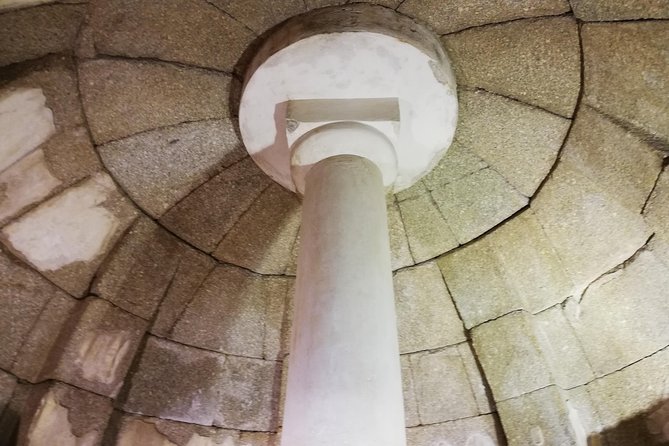
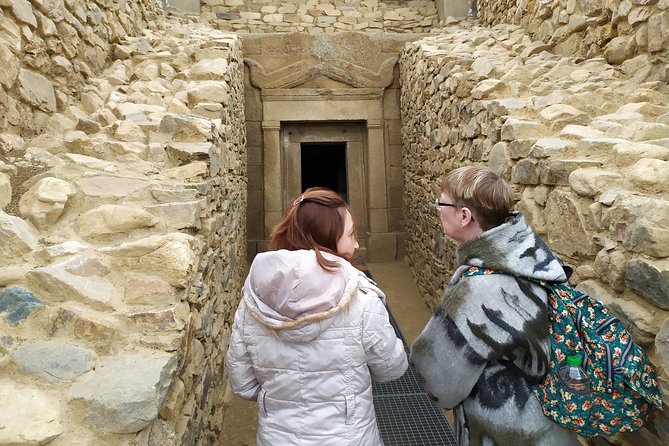
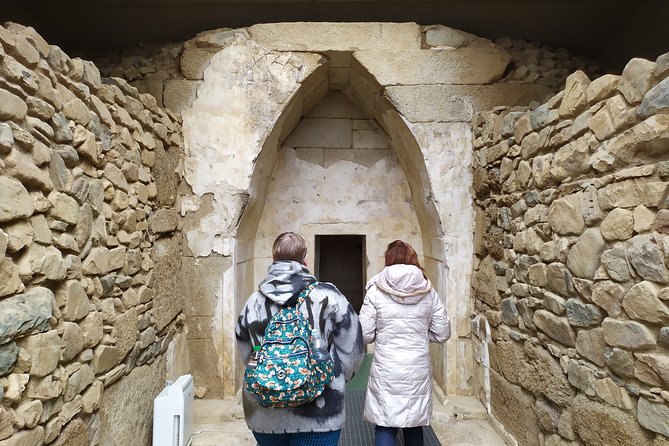
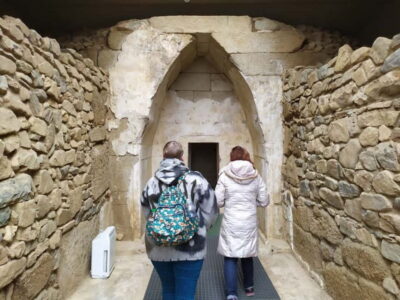
Grifoni Tomb dates from the fifth century BC and differs from Kazanlak in both age and design. It has a corridor and three chambers, a layout that gives you a clearer sense of how a more elaborate burial was arranged.
The site produced many valuable objects and is considered one of the richest Thracian burials found so far. That detail helps explain why the tombs were built with care and why grave goods matter so much to archaeologists. Objects placed with the dead could show rank, wealth, beliefs, military identity, and links with the wider ancient world.
This is where a trained guide can add real value. The artifacts are not all sitting in the chamber waiting to explain themselves. Many were removed for protection and study, and some are displayed in museums. A guide who can connect the objects to the architecture gives you a fuller picture of the burial.
The chamber and corridor also make Grifoni more than a quick photo stop. You can compare its plan with the other tombs and see that the Thracians did not use one standard design. The variety is one of the strongest parts of this tour.
More Thracian & Roman Sites in Sofia
- From Sofia: Rose Valley Tour & UNESCO Site Kazanlak
★ 4.6 · 12 reviews - From Sofia: Day Tour of Plovdiv with Roman Theater Ticket
★ 5.0 · 5 reviews - Tour to Koprivshtitsa and the Buzludzha monument incl the Seuthes Thracian Tomb
★ 3.5 · 3 reviews - Kazanlak Full-Day Tour from Sofia
★ 4.5 · 2 reviews
Ostrusha Tomb and its remarkable ceiling
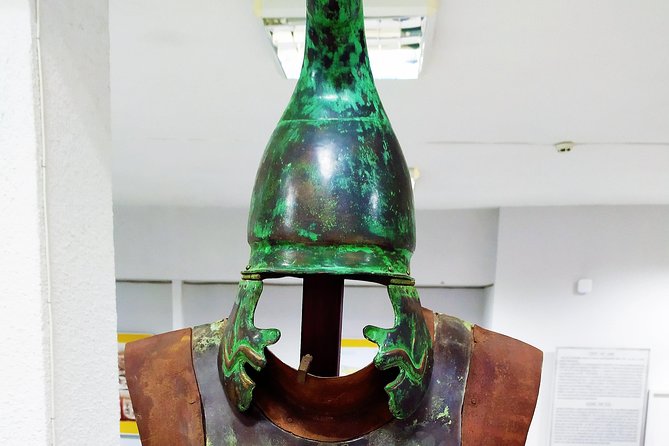
Ostrusha Tomb dates from the fourth century BC and is best known for its ceiling. Its decoration combines relief work with fine painted detail, including portraits, colorful figures, and floral designs.
This ceiling is a good reminder that Thracian art was not limited to gold objects or rough stone construction. The makers of these tombs worked with color, pattern, human faces, and symbolic decoration. The contrast between the tombs gives the day a useful rhythm: one site may impress through its frescoes, another through its plan, and Ostrusha through its ceiling.
The tombs are small, so you need to pay attention. This is not a place where you wander for an hour without guidance. Look closely, listen carefully, and compare what you see with the earlier sites.
Some departures include a view toward Shipka and Buzludzha from the area around the tombs. These landmarks add a later chapter of Bulgarian history to the day, even though the main subject remains Thrace. The mix of ancient monuments, mountains, farming country, and modern national history gives the excursion a broader sense of Bulgaria.
Iskra Historical Museum puts the objects in context
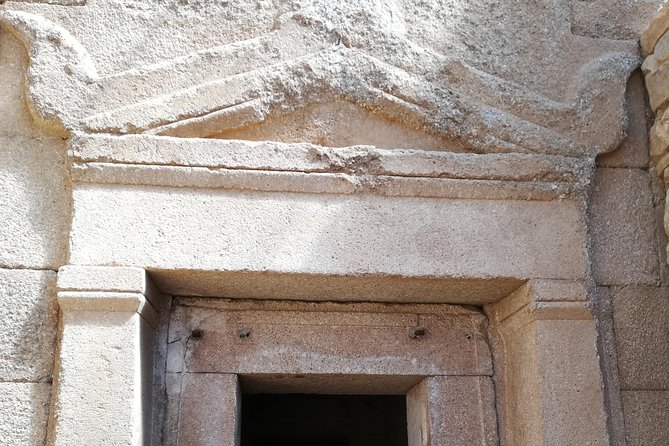
After the tombs, the tour visits Iskra Historical Museum, also known as the regional archaeological museum in Kazanlak. The museum displays artifacts from the burial sites along with examples of Thracian art and material culture.
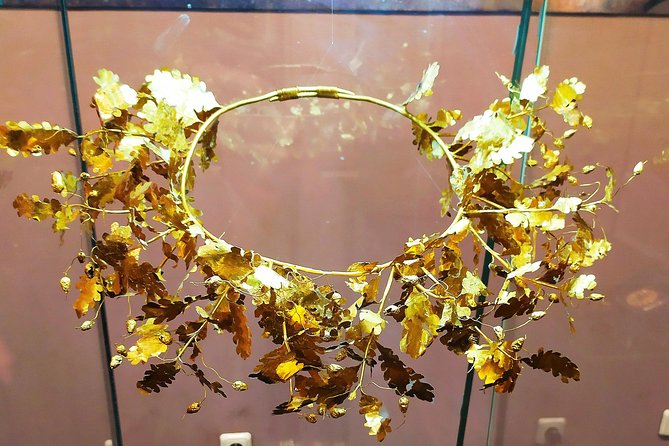
This one-hour visit is not filler. It solves a problem created by archaeological preservation: you may see the tombs but not the objects originally placed inside them. The museum lets you examine the material evidence more closely and helps connect the burial chambers to daily life, status, craft, and ritual.
I would pay close attention to how the museum changes your understanding of the tombs. After seeing the architecture, objects can seem less abstract. A guide can explain which items came from which sites and how archaeologists interpret them.
The museum also gives your eyes a rest after several compact underground spaces. The day moves quickly at the tombs, and this final indoor stop gives you time to absorb what you have seen before the drive back to Sofia.
The guide can turn the drive into a history lesson
The strongest praise for this experience centers on the guides. Ivan has been described as articulate and full of useful anecdotes. Krassimir has provided detailed explanations and even added an extra stop. Lyubo has a master’s degree in history and has connected the tombs to Bulgaria’s wider past. Other praised guides include Daniel, Adrian, Meto, Mikla, and a guide actively pursuing archaeology.
That range tells you something important: the operator has access to guides with strong backgrounds, but you may not receive the same person every time. Several excellent experiences included lively discussion during the drive, with subjects such as Orpheus, Spartacus, excavation methods, and the place of Thracian culture in Bulgaria.
One poor experience was very different. The guide complained about driving on a Sunday holiday, offered almost no commentary, struggled with questions, and spoke about the Thracians for only a short time. That matters because the tombs are small and many artifacts are in museums. The guide is not an accessory here. The guide is part of the interpretation.
When booking, ask who will lead the tour and what background that person has. A professional driver who speaks English may provide safe transport, but you are paying for much more than a ride. You want someone who can explain what you are seeing and answer reasonable questions.
Is $119.27 a fair price?
At $119.27 per person, the price includes private transport, hotel pickup and drop-off, a professional guide, and entrance fees to all attractions. Food and drinks are not included.
For a ten-hour outing outside Sofia, that package can be good value. You avoid arranging several entrance tickets, finding the tombs yourself, and handling the long return journey. You also get a guide who may supply the historical context that is difficult to gain on your own.
The value drops if the guide gives little commentary. The attractions themselves are important, but the tombs are not large and the collection of artifacts is concentrated in the museum. I would consider the guide quality more important than saving a small amount on the price.
You should also budget for lunch and drinks. The tour does not include food, though one guide took a passenger to a pleasant restaurant. That kind of stop may be offered, but it is not part of the stated inclusions, so do not rely on it without checking.
Who will enjoy this excursion most?
I would choose this tour if you like archaeology, ancient religion, mythology, and the stories behind burial customs. It suits anyone who wants to see a quieter side of Bulgaria beyond Sofia’s churches, museums, and city streets.
It is also a good choice for visitors who prefer a planned day with door-to-door transport. The valley is far enough from Sofia that arranging the trip alone takes effort, and the private vehicle removes much of that work.
You should think twice if you dislike long drives or need a relaxed schedule. Ten hours is a full day, and about six hours may be spent on the road. The tour also requires moderate physical fitness, and children must be accompanied by an adult.
The experience is less suitable if you want a highly dramatic ruin with large chambers. These tombs are intimate and sometimes protected by reconstructions. Their importance comes from the art, design, burial customs, and archaeological evidence, not from sheer size.
Practical details before you go
Pickup starts at 8:00 am from any point in Sofia. Confirmation is provided when you book, and mobile tickets are available. The tour is offered in English.
Free cancellation is available up to 24 hours before the start time for a full refund. Changes or cancellations made less than 24 hours before departure are not accepted for a refund.
The operator states that vehicles receive disinfectant treatment, and guides and drivers undergo regular medical checks. Small-group and private options are available, while the stated maximum is 15 people.
I would wear comfortable shoes and bring water, a snack, and a light layer. Food and drinks are not included, and the day combines outdoor walking, compact tomb spaces, museum time, and several hours in a vehicle.
Should you book the Valley of the Thracian Kings tour?
Book it if you want a serious introduction to Thracian Bulgaria and you value convenience. The combination of Kazanlak, Grifoni, Ostrusha, another tomb, and Iskra Museum gives you a much fuller picture than a single monument visit.
Before paying, ask for the guide’s name and background. The best version of this tour includes a well-informed historian or archaeologist who makes the three-hour drive useful and explains why each tomb differs. If the operator can confirm a guide such as Ivan, Krassimir, Lyubo, Daniel, Adrian, Meto, or another guide with similar training, the price looks sound.
If you mainly want a short outing, skip it. The distance is considerable, and the day demands patience. For history-minded visitors, though, this is one of the more rewarding ways to reach Bulgaria’s ancient heartland from Sofia.
FAQ
Where does the tour begin?
The tour begins with pickup in Sofia at 8:00 am. Pickup is offered from any point in Sofia.
How long does the experience last?
The tour lasts approximately 10 hours. The drive back to Sofia takes about two and a half hours after the museum visit, and the full road journey is roughly six hours.
Which attractions are included?
The tour includes the Thracian Tomb of Kazanlak, four additional Thracian tomb sites described in the experience, and Iskra Historical Museum. The detailed site information specifically names Grifoni Tomb and Ostrusha Tomb.
Are entrance fees included?
Yes. Entrance fees to all attractions are included in the tour price.
Is food included?
No. Food and drinks are not included.
What size group should I expect?
The stated maximum is 15 people. The operator also organizes small groups of up to seven people and offers private tours.
Can I cancel for a full refund?
Yes. You can cancel at least 24 hours before the experience start time for a full refund. Cancellations or changes made less than 24 hours before the start time are not refunded.
Recently added around Sofia
- Veliko Tarnovo & Arbanasi Full day tour★ 5.0 · 5 reviews
- Private Winter Day Trip to the Rila Mountain★ 4.5 · 3 reviews
- Private transfer from Sofia to Plovdiv or vice versa★ 5.0 · 8 reviews
- Zemen Monastery, Boyana Church and National History Museum Tour★ 5.0 · 2 reviews
- Sofia Hidden Gems: Small-Group Walking Tour with Tram Ride★ 5.0 · 7 reviews
- Tour to Koprivshtitsa and the Buzludzha monument incl the Seuthes Thracian Tomb★ 3.5 · 3 reviews
- Catacomb Tour in Sofia guided by a Local★ 4.5 · 3 reviews
- From Sofia: The gorges of Trun and Dragovski stone trail★ 5.0 · 6 reviews
Rose Valley Trips, compared.
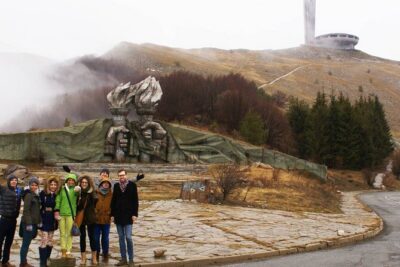
Buzludzha Monument and The Rose Valley Day Tour From Sofia 13 hrs
Read our review →
Kazanlak-Rose Valley-Valley of the Thracian Kings – private tour from Plovdiv
Read our review →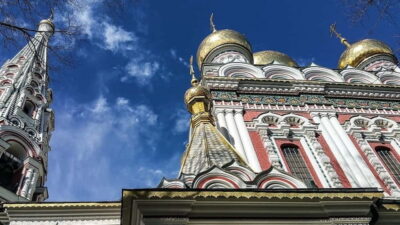
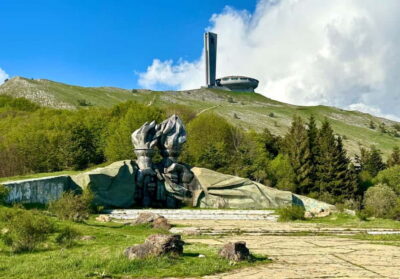
The Highlights of Bulgaria – Rose Valley and Buzludzha
Read our review →Browse the lists this tour appears in