
Review · ROSE VALLEY TRIPS
Plovdiv: Valley of the Thracian Kings Guided Day Trip
Ancient Bulgaria unfolds one layer at a time. This 10-hour trip from Plovdiv links the Kazanlak royal tomb and five Thracian burial sites with Roman ruins, a medieval mosque, and remarkably old Stone Age homes. I like the way the day moves through thousands of years instead of treating Bulgaria’s past as one broad subject. I also like the small-group format, limited to eight people, with hotel pickup and entrance fees included.
The main drawback is the amount of time spent on the road. The first drive takes about two hours, and the return to Plovdiv comes after a full day of sightseeing. Stara Zagora and Kazanlak may also feel plain in places, particularly outside the greener months. Still, guides such as Ivo, Ivan, Lubo, Krasi, and Krasimir have earned strong praise for combining clear historical explanations with a friendly, relaxed manner.
In This Review
- Key points to know before booking
- An early start from Plovdiv
- The Thracian Valley near Kazanlak
- Lunch and a pause in central Stara Zagora
- Walking through Roman Augusta Trayana
- The Museum of Religions in Eski Mosque
- The Neolithic Dwellings Museum reaches back 7,000 years
- What the $116 price includes
- Who will enjoy this day most
- Practical details that affect the day
- Should you book the Valley of the Thracian Kings trip?
- FAQ
- How long does the tour last?
- Is hotel pickup included?
- What language is the tour conducted in?
- How many people are in the group?
- Is lunch included in the price?
- What should I bring?
- Are entrance fees included?
Key points to know before booking
- Five Thracian tombs near Kazanlak: You get far more than a quick stop at one famous burial chamber.
- A journey from the 7th millennium BC to Roman times: The Neolithic Dwellings Museum gives the day a remarkable time span.
- Small groups of up to eight: This makes it easier to ask questions and hear the guide at outdoor sites.
- Stara Zagora adds Roman and religious history: Augusta Trayana and the Museum of Religions bring later centuries into focus.
- Lunch is not included: You will have time to eat in central Stara Zagora, but the meal is your own expense.
- Best for history-minded visitors: The tour offers excellent value if you want context, not just photographs.
An early start from Plovdiv
Pickup begins at 8:00 a.m. from your hotel or accommodation in Plovdiv. That is convenient, especially because reaching the Kazanlak area by public transport would take more planning and would make it hard to cover the same number of sites in one day.
The trip runs for about 10 hours. You should expect a long day with several walks, museum visits, and substantial driving. Comfortable shoes are the one stated packing essential, and that advice makes sense. You will be moving between archaeological sites, city streets, and museum displays rather than spending the day in one location.
Transport is in a small group, with no more than eight participants. That size is a useful middle ground. You get the ease of shared transport without the feel of a large coach tour. The guides are English-speaking and have a strong background in history and archaeology. Several guides have been praised for their excellent English, easy conversation, careful driving, and ability to adjust the day when an unexpected change occurs.
More Day Trips in Plovdiv
- Day trip to The Marvelous Bridges and the unique Rhodope cuisine
★ 5.0 · 15 reviews - From Sofia: Plovdiv and Rila Monastery tour in one day
★ 3.5 · 13 reviews - Plovdiv: Perperikon, Haskovo and Thracian Tomb Full-Day Trip
★ 4.9 · 11 reviews
The Thracian Valley near Kazanlak
After roughly two hours on the road, you reach the Valley of the Thracian Kings. The name is not just a marketing flourish. The area contains many burial mounds and tombs linked to the Thracian civilization, with examples dating to around the 5th century BC.
The Thracians left no surviving literary tradition comparable to that of ancient Greece or Rome, so their tombs and objects are especially important. Burial chambers, painted decoration, grave goods, and the size of the mounds offer clues about power, ritual, and social rank.
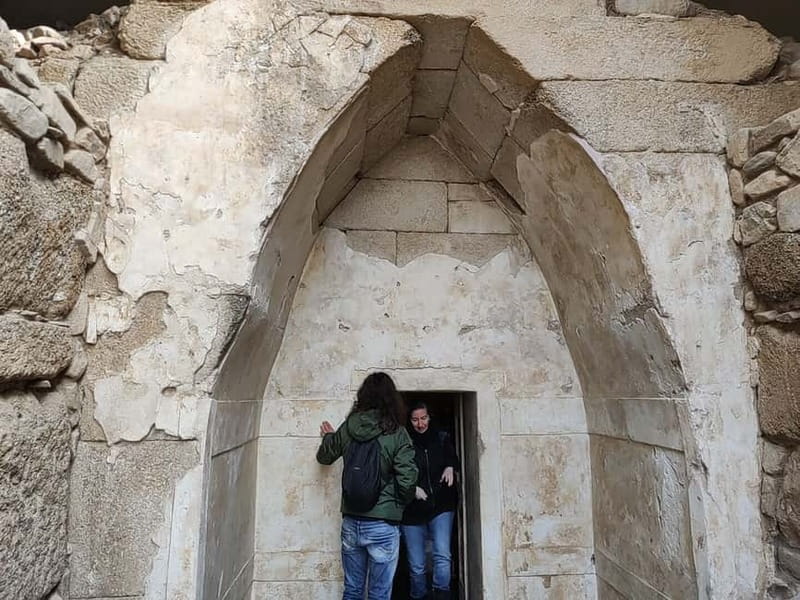
Your guide leads you through the Kazanlak region and explains how the tombs were used and what they suggest about Thracian beliefs. You are scheduled to see five tombs, which gives the visit more depth than a single-site excursion. The repeated forms also help you notice differences in construction and decoration.
The natural setting adds to the experience. Forested hills and open countryside surround the burial mounds, creating a quiet contrast with the importance of the people buried there. Do not expect every view to look like a postcard. One spring visit found the towns and countryside rather gray, with Soviet-era buildings and muted fields. In greener weather, the setting should feel more inviting, but the archaeology remains the main reason to come.
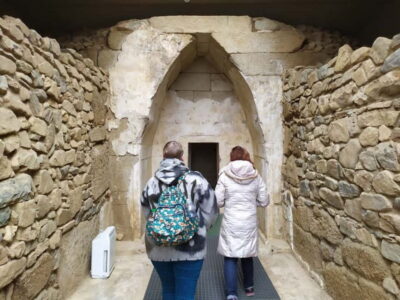
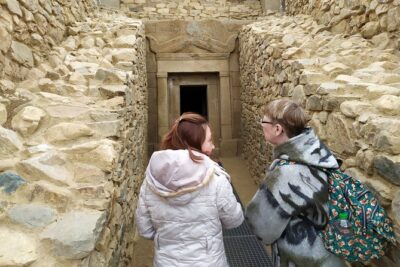
The Kazanlak royal tomb is the headline attraction. It is known for its ancient painted interior and place within the broader Thracian burial zone. Your guide’s explanations matter here because the physical spaces can be modest. Without context, a mound and a small chamber may not convey why the site matters. With a good guide, the tomb becomes evidence of a powerful society that flourished more than 2,000 years ago.
Lunch and a pause in central Stara Zagora
After the tombs, the route continues to Stara Zagora. The plan includes a walk through the city center and time for lunch before the afternoon archaeology.
Lunch is not included in the $116 price, so budget separately for it. The arrangement gives you some choice, and guides may point you toward a local restaurant. One particularly praised day included local Bulgarian food selected with help from the guide. That kind of meal can be a welcome break from museum concentration, but the exact restaurant and menu are not fixed.
This pause also breaks up the day well. The morning centers on remote archaeological sites, while the afternoon takes place in an active provincial city. Stara Zagora is not polished at every turn. Some streets and buildings may appear gray or worn. I would treat this as part of the real setting rather than expect a carefully staged heritage town.
Walking through Roman Augusta Trayana
Stara Zagora gives the tour a different kind of historical evidence. Augusta Trayana was founded in the 2nd century AD under the Roman emperor Trajan and became a center for trade and culture.
You walk along original Roman streets and see the remains of the city council meeting place. This is one of the strongest parts of the afternoon because the ruins are integrated into the modern city. You are not simply looking at isolated stones behind a fence. The route helps you picture how Roman civic life occupied the same urban space where people still live and work today.
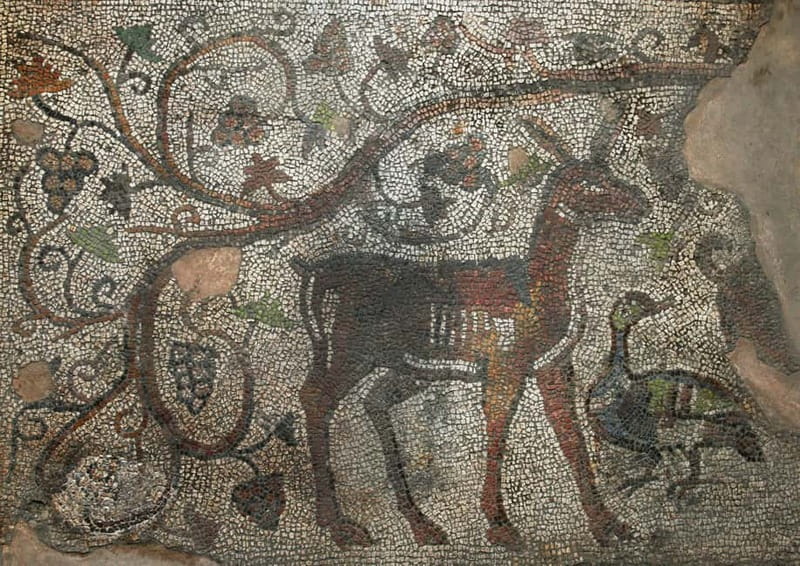
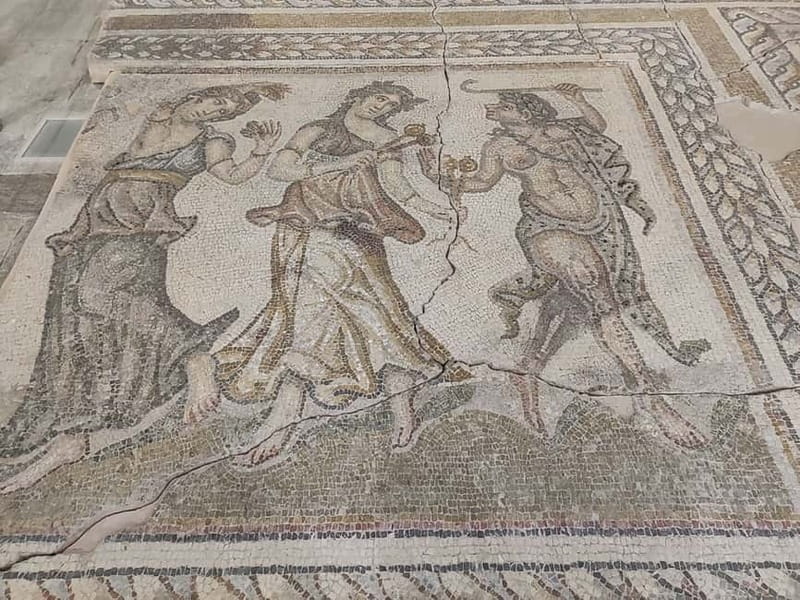
The Roman house is another useful stop. Its mosaics are described as being in excellent condition, and they reveal more about daily life than a monument alone can do. Floors, rooms, and decorative patterns help you think about domestic comfort, status, and Roman taste.
I like this part of the route because it shifts the focus from royal burial to ordinary urban life. The Thracian tombs tell you about elites and ceremony. Augusta Trayana shows how a city functioned, how public decisions were made, and how households were decorated.
The tour does not present Roman Bulgaria as a separate story from the Thracian past. Instead, you see how different peoples and periods occupied the same region. That broad view is one of the day’s best features.
More Thracian & Roman Sites in Plovdiv
- Kazanlak-Rose Valley-Valley of the Thracian Kings – private tour from Plovdiv
★ 5.0 · 15 reviews - Plovdiv Walking Tour To Old Town And Ancient Roman Landmarks
★ 5.0 · 13 reviews - Roman Plovdiv, Self-Guided Tour and Urban Quest Game
★ 5.0 · 6 reviews - A Day trip to the Thracian Kings, The Valley of Roses & Buzludzha
★ 5.0 · 6 reviews
The Museum of Religions in Eski Mosque
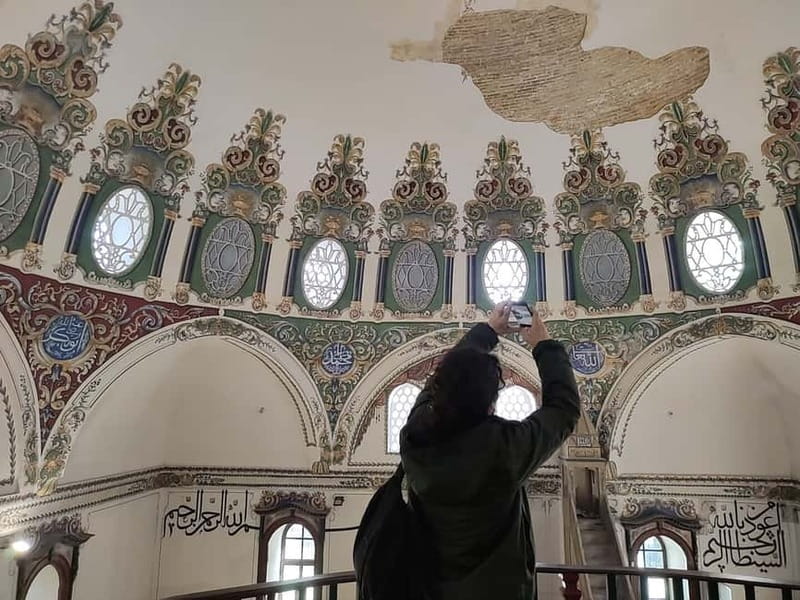
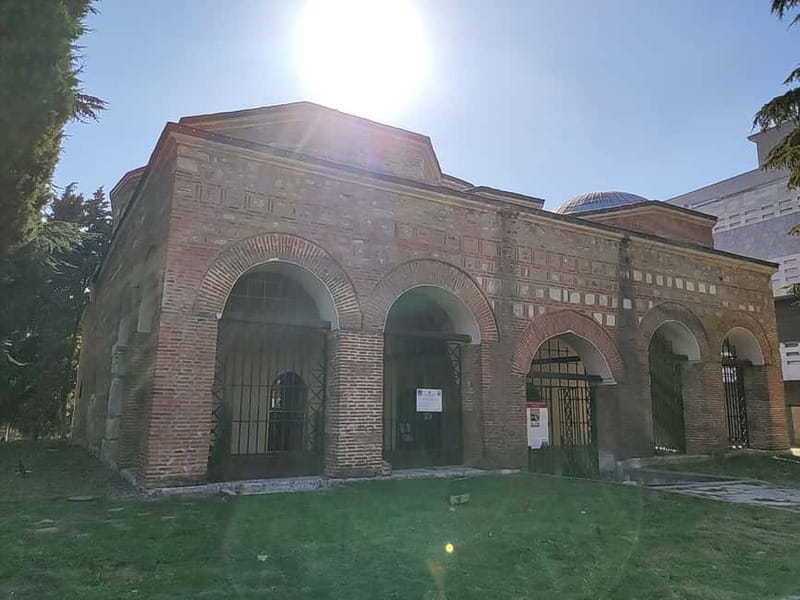
During the Stara Zagora walk, you visit the Museum of Religions. It occupies Eski Mosque, an early 15th-century building described as one of the oldest mosques in the Balkans.
The museum is valuable because the building itself is part of the lesson. Rather than treating religious history as a list of dates, the site shows how sacred spaces can carry traces of several eras. The mosque gives the visit an Ottoman-era setting, while the museum presents religious material connected with earlier periods.
This is a compact stop, but it adds balance to the day. The itinerary moves from Thracian burial customs to Roman civic life and then to a later religious building. You are reminded that Bulgaria’s past cannot be reduced to one civilization or one faith.
A strong guide is particularly useful here. Archaeological remains can be difficult to read without an explanation of what came before the present building and why the site was preserved. Guides who are comfortable with both archaeology and broader Bulgarian history can make this stop feel connected to the rest of the day rather than like an unrelated museum visit.
The Neolithic Dwellings Museum reaches back 7,000 years
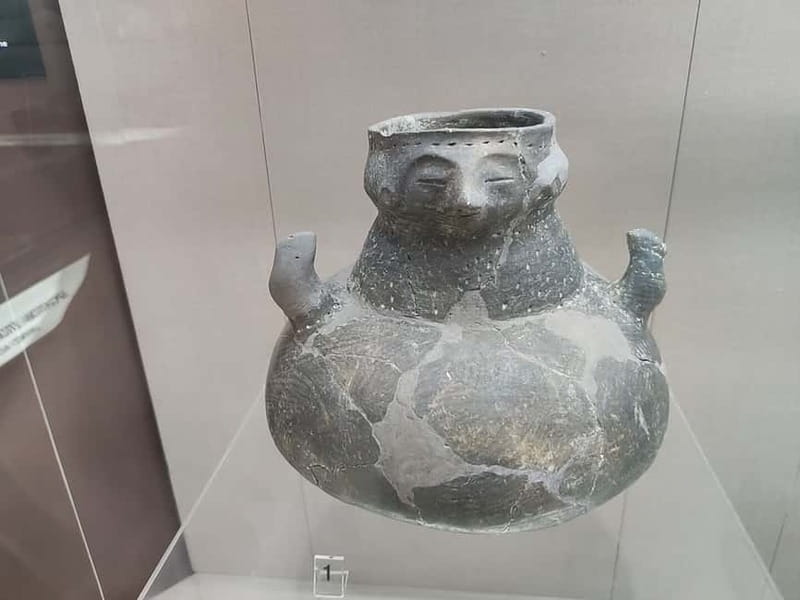
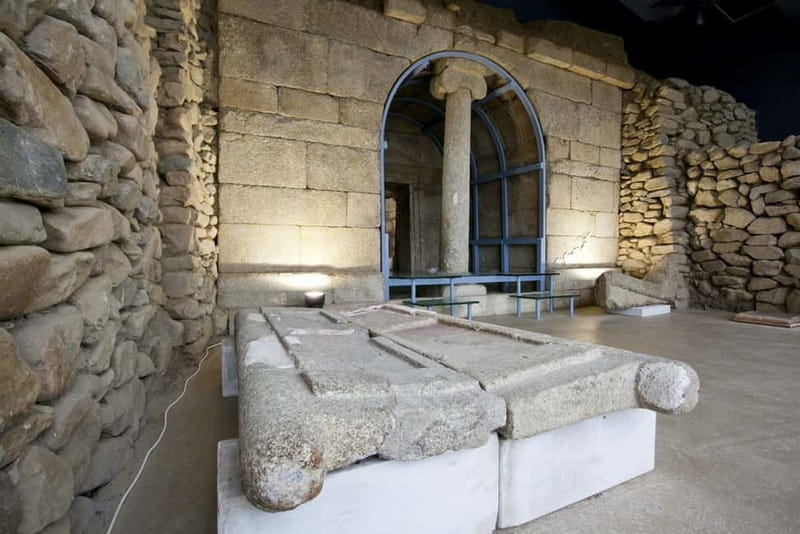
The final major stop takes you farther back in time than anything else on the route. At the Neolithic Dwellings Museum, you see the remains of two houses from a large settlement dating to the 7th millennium BC.
These are described as some of the best-preserved prehistoric buildings in Europe. That makes the visit more than a display of pottery and tools. The surviving house remains give you a rare sense of structure, space, and domestic life in the Neolithic period.
The museum also presents archaeological objects linked to Stone Age culture and religion. Your guide explains who lived in the settlement and how they organized their lives. Since written records did not exist for this period, the evidence comes from buildings, tools, objects, and patterns found at the site.
This stop may be the day’s biggest surprise. Many visitors book the tour for the Thracian tombs and Roman remains, then discover that the Neolithic houses provide the clearest picture of people living in the distant past. You can think about the whole day as a backward walk through time: Roman city, later religious heritage, Thracian royal burials, and finally settled life thousands of years earlier.
The late timing is worth noting. By this point, you will have already spent hours sightseeing and driving. If you are tired, the museum may require extra concentration. Still, it is too distinctive to dismiss, and the guide’s storytelling can make the final stop worthwhile.
What the $116 price includes
At $116 per person, this is not a budget outing, but the price covers a great deal. Hotel pickup and drop-off in Plovdiv, entrance fees, transport, and a full day with an English-speaking history and archaeology guide are included.
The entrance fees matter because the route visits several separate sites and museums. Paying for each one independently would add both cost and planning. You also avoid arranging transport to the Kazanlak area, Stara Zagora, and the archaeological museums.
The strongest value comes from the guide. Without one, the ruins would still be interesting, but you would lose much of the connection between the sites. Guides Ivo, Ivan, Lubo, Krasi, and Krasimir have been praised for their command of Bulgarian history, good English, thoughtful attitude, and ability to keep the ride comfortable. One guide even extended time at the archaeological museum when part of the planned schedule changed.
The price does not include lunch. Bring money for the meal, and remember that the schedule is full enough that a slow restaurant stop may affect time at a later museum. The tour may offer local food suggestions, but you are not paying for a fixed meal.
Who will enjoy this day most
I would choose this tour if you want Bulgaria explained through its archaeological sites. It suits people who enjoy museums, ruins, old buildings, and the chance to ask questions as they go.
It is also a good choice if you have limited time in Plovdiv but want to see more of central Bulgaria. The route would be difficult to reproduce efficiently without a car, especially with five Thracian tombs and several Stara Zagora sites in one day.
Families with older children may appreciate the variety. The day includes underground or enclosed tomb spaces, Roman streets, mosaics, a mosque museum, and prehistoric homes. Younger children who need frequent play breaks may find the 10-hour schedule demanding.
You should think twice if your main goal is dramatic mountain scenery or the famous rose-growing image often associated with the Kazanlak area. The views can be pleasant, but the experience is primarily archaeological. One April visit found the towns and countryside subdued rather than spectacular.
The tour is also less suitable if you dislike long drives. The first journey alone takes around two hours, and the return to Plovdiv comes after a packed program. On the other hand, the small group and guide-led transport make the time more useful than an unstructured road trip.
Practical details that affect the day
Pickup is included from hotels and accommodations in Plovdiv. The start time is 8:00 a.m., so plan for an early morning and a full afternoon of walking.
Wear comfortable shoes. You will walk on city streets, archaeological remains, and museum grounds. Bring water and money for lunch, although only comfortable footwear is specifically listed as essential.
The tour is offered in English with a live guide. The small group limit is eight people, which should make it easier to hear explanations and discuss details. Specific vehicles and meal arrangements can vary, so it is sensible to confirm the day’s pickup details when booking.
Cancellation is flexible up to 24 hours before departure for a full refund. You can also reserve now and pay later, which helps if your Plovdiv plans are still shifting.
Should you book the Valley of the Thracian Kings trip?
Book it if you want a serious history day with plenty of variety. The tour’s best feature is its range: royal Thracian tombs, a Roman city, an early Ottoman mosque, and Neolithic homes all fit into one carefully planned route.
I would not book it for a relaxed countryside outing or a short sightseeing loop. Ten hours is a commitment, and the scenery may not match your hopes outside the greener season.
For the right person, though, the $116 cost is fair. You get transport from Plovdiv, entrance fees, a small group, and a guide who can turn scattered ruins into a connected story. If you want to understand how many different societies shaped Bulgaria, this is one of the more useful day trips in the region.
FAQ
How long does the tour last?
The tour lasts 10 hours, beginning with hotel pickup in Plovdiv at 8:00 a.m.
Is hotel pickup included?
Yes. Pickup and drop-off are included for customers staying at hotels or other accommodations in Plovdiv.
What language is the tour conducted in?
The live guided tour is conducted in English.
How many people are in the group?
The tour is limited to eight participants.
Is lunch included in the price?
No. Lunch is not included, but you will have time to eat in central Stara Zagora.
What should I bring?
Comfortable shoes are recommended because the day includes walking through archaeological sites, museums, and city streets.
Are entrance fees included?
Yes. Entrance fees for the included sites and museums are covered in the tour price.
More Rose Valley Trips in Plovdiv
- Day-Trip to the Valley of the Thracian Kings and the Rose Valley from Plovdiv
★ 4.5 · 2 reviews - From Sofia: The Rose Valley & Buzludzha Monument Day Tour
★ 4.8 · 77 reviews - From Sofia: The Rose Valley & Koprivshtitsa 12 hrs Day Tour
★ 4.7 · 39 reviews - From Sofia: Valley of the Thracian Kings: Hidden Treasures
★ 4.7 · 36 reviews
Recently added around Plovdiv
- Veliko Tarnovo – Arbanassi – Shipka Memorial Church – private tour from Plovdiv★ 4.5 · 6 reviews
- Tour from Plovdiv to Bachkovo,Asen Fortress and Wonderful Bridges★ 5.0 · 4 reviews
- Thracian Valley wine tasting – private day tour from Plovdiv★ 5.0 · 4 reviews
- Roman Plovdiv, Self-Guided Tour and Urban Quest Game★ 5.0 · 6 reviews
- Transfer Plovdiv to Sofia airport/city with a car 3+1★ 5.0 · 3 reviews
- Plovdiv Roman Sights Self-Guided★ 4.5 · 3 reviews
- Plovdiv – Buzludzha and the Thracian kingdom valley★ 5.0 · 3 reviews
- Plovdiv Exquisite Wine Tasting★ 5.0 · 2 reviews
Rose Valley Trips, compared.
Buzludzha Monument and The Rose Valley Day Tour From Sofia 13 hrs
Read our review →
Kazanlak-Rose Valley-Valley of the Thracian Kings – private tour from Plovdiv
Read our review →
The Highlights of Bulgaria – Rose Valley and Buzludzha
Read our review →Browse the lists this tour appears in