
Review · ROSE VALLEY TRIPS
From Sofia: Valley of the Thracian Kings: Hidden Treasures
Ancient gold begins this long Bulgarian day. From Sofia, this 10-hour trip takes you into the Valley of the Thracian Kings, where royal tombs, painted chambers, and Bulgaria’s rose-growing country tell the story of a civilization often overshadowed by Rome and Greece. I like the mix of serious archaeology and open countryside, plus the chance to visit Kazanlak’s History Museum rather than seeing tombs in isolation.
I also like that the tour uses a private vehicle, hotel pickup, and a small group limited to 15 people. Guides such as Mika, Ivan, Adrian, Maria, and Metodii have made a strong impression with their history knowledge, calm driving, and easy conversation. The main drawback is simple: this is a long day with substantial time on the road, so it suits curious history lovers better than anyone chasing a quick photo stop.
In This Review
- Key points at a glance
- Why the Thracian Kings Valley matters
- The long ride from Sofia
- Kazanlak’s museum puts the tombs in context
- The UNESCO Tomb of Kazanlak
- Golyama Kosmatka and the burial of Seuthes III
- Ostrusha’s remarkable ceiling
- The Valley of the Roses
- The guide can make or break the day
- Is $116 a fair price?
- Who should book this day trip?
- Should you book the Thracian Kings Valley tour?
- FAQ
- How long is the tour?
- What is the tour price?
- Is hotel pickup included?
- What transportation is provided?
- What language is the tour conducted in?
- Which tombs are included?
- Is the Tomb of Kazanlak a UNESCO site?
- Is the Kazanlak museum included?
- Are food and drinks included?
- What should I bring?
Key points at a glance
- Three major Thracian tombs: Visit the UNESCO-listed Tomb of Kazanlak, the Golyama Kosmatka tomb of Seuthes III, and the Ostrusha tomb.
- A useful museum visit: Kazanlak’s History Museum helps connect the burial sites with the objects and culture behind them.
- A full 10-hour outing: Hotel pickup and private transport make the distant valley practical from Sofia, but this is not a light half-day trip.
- Guides shape the day: Past guides have included archaeologist and PhD candidate Mika, along with Adrian, Ivan, Maria, and Metodii.
- Rose country included: The Valley of the Roses provides a scenic pause and a chance to smell or buy rose and lavender oils when available.
- Good value at $116: Entrance fees, transport, hotel pickup, drop-off, and an English-speaking guide are included. Food and drinks are not.
Why the Thracian Kings Valley matters
The Thracians left no single empire or capital that defines them for modern visitors. Instead, their story comes through burial mounds, gold objects, weapons, art, and the Greek and Roman writers who recorded fragments of their lives.
This makes the region especially rewarding with a guide. Without context, a grassy mound or narrow stone corridor can seem modest. With the story of Thracian kings, rituals, craftsmanship, and burial customs in mind, each site becomes easier to read.
The Thracians are linked with famous names from ancient history. Orpheus, the legendary musician and thinker, is tied to Thracian tradition. Spartacus, the gladiator who led the major slave revolt against Rome, was also Thracian. The area is also associated with some of the earliest known gold treasure in the world.
I like that the day does not treat these places as isolated curiosities. The drive from Sofia, the museum, the tombs, and the rose-growing valley all help explain why this part of Bulgaria matters.
More Rose Valley Trips in Sofia
- From Sofia: The Rose Valley & Buzludzha Monument Day Tour
★ 4.8 · 77 reviews - From Sofia: The Rose Valley & Koprivshtitsa 12 hrs Day Tour
★ 4.7 · 39 reviews - Valley of the Thracian Kings, Hidden Treasures
★ 5.0 · 28 reviews
The long ride from Sofia
Pickup is provided from your accommodation in Sofia, and transport is by private vehicle. The drive to Stara Zagora Province takes time, but that is where much of the trip’s value begins.
Several guides have used the journey to explain Bulgarian history, language, culture, and the tombs ahead. Adrian was praised for making the long drive pass quickly with stories about Bulgaria. Maria used the ride to prepare her passenger for the sites, while Ivan combined historical explanation with a friendly manner.
That advance explanation matters. The tombs are not large museum halls. Some are compact and highly protected, and you get more from them if you arrive knowing what to look for.
Transport received a perfect score from 88 percent of the people who rated that part of the outing. I would still bring water, settle in for the ride, and expect the road time to be part of the day rather than an inconvenience that disappears.
The group limit is 15, though the actual number can be smaller. One person found themselves alone with the guide, turning the excursion into a private-style day. Another group had only three people and found the pace comfortable, with enough time at the tombs and museum.
Kazanlak’s museum puts the tombs in context
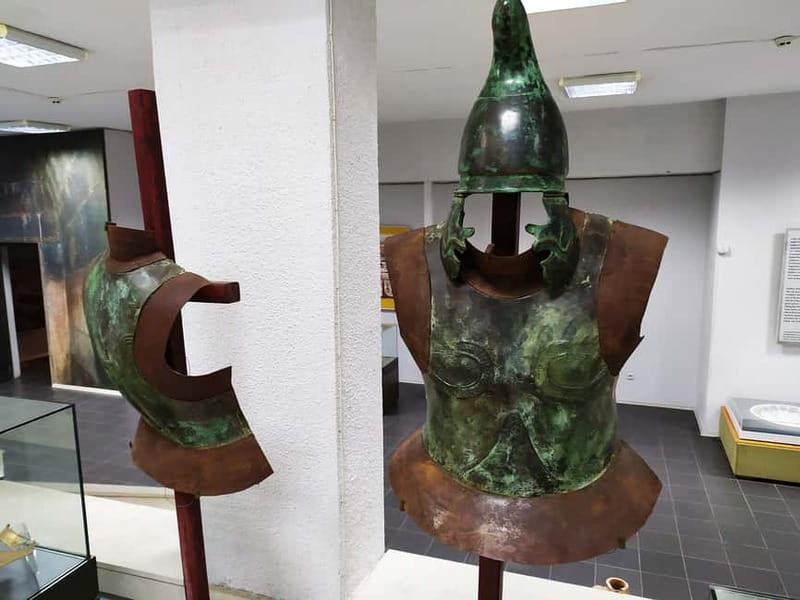
The History Museum in Kazanlak is an important part of the itinerary. The tombs show architecture and decoration in place, but the museum helps you understand the objects found in and around them.
This is also where the subject of looting becomes hard to ignore. Many Thracian burial sites were robbed over the centuries, and a great deal has disappeared into private collections or remains missing. Seeing artifacts that have returned to Bulgaria gives the archaeology a more immediate meaning.
The museum stop is especially useful if you know little about the Thracians. It gives you a framework for the later visits, so you can connect burial customs, artistic details, and royal status instead of simply counting tombs.
You may also want to visit Sofia’s Archaeological Museum before or after this trip. One participant found that even a short visit to the Thracian floor helped bring the day’s sites to life. That museum is not included in this excursion, but the suggested admission was 5 Bulgarian lev, making it an inexpensive addition for anyone with time in Sofia.
The UNESCO Tomb of Kazanlak
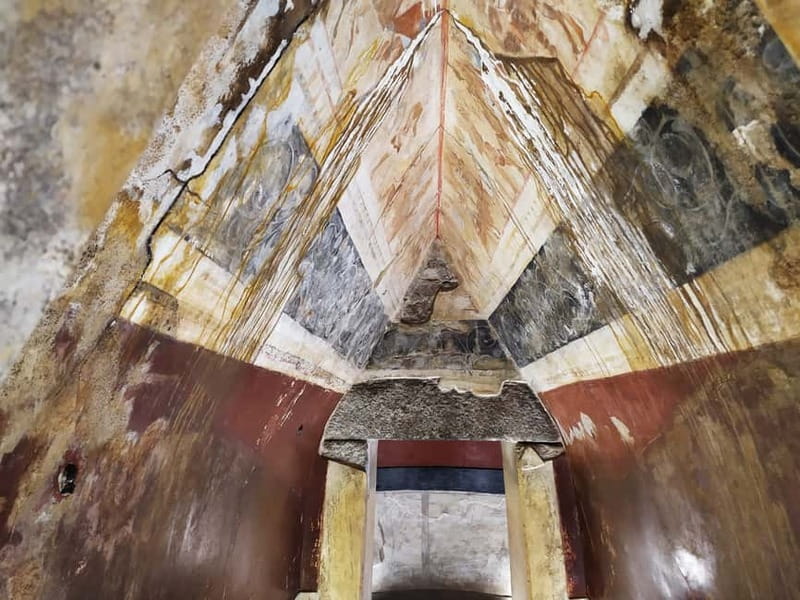
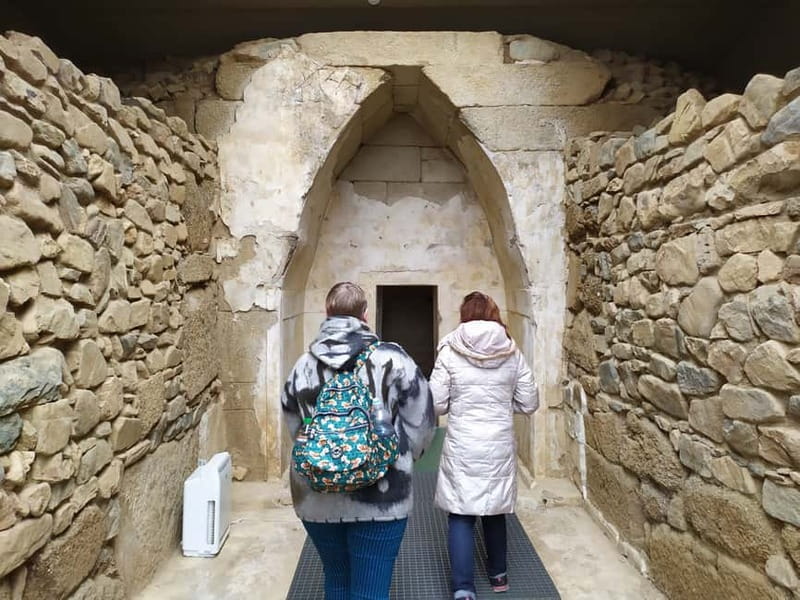
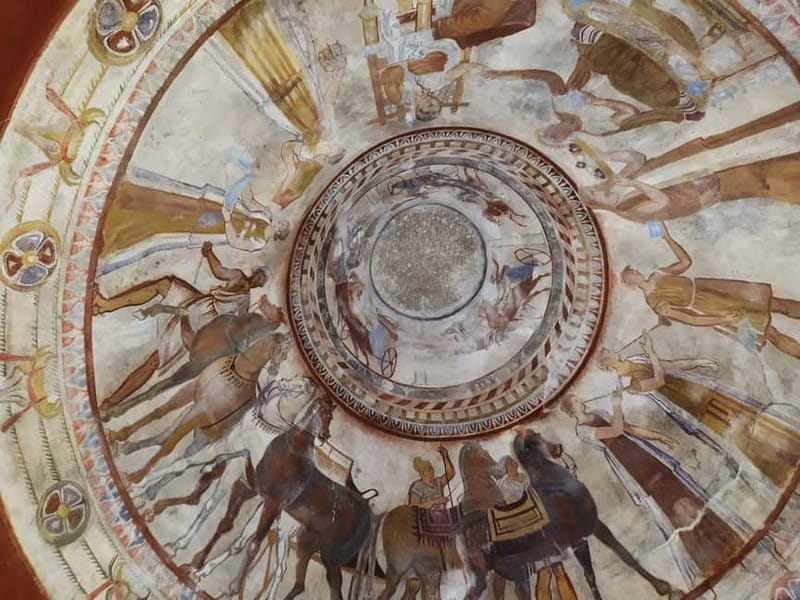
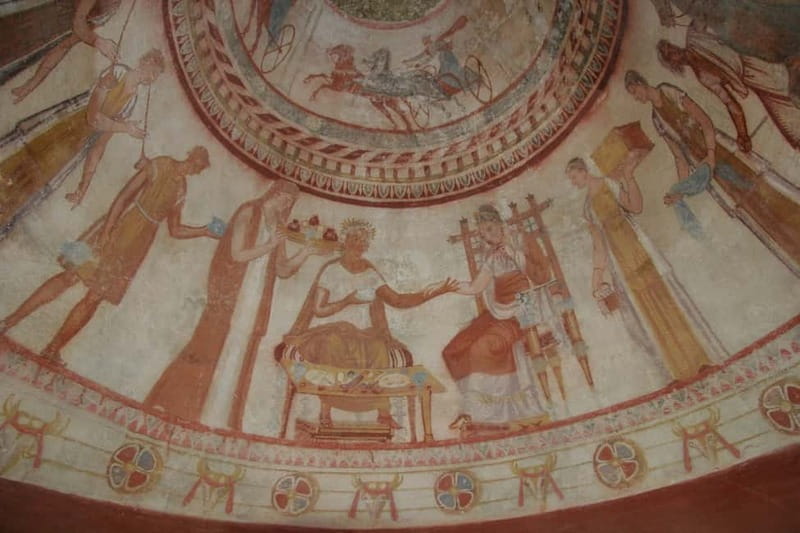
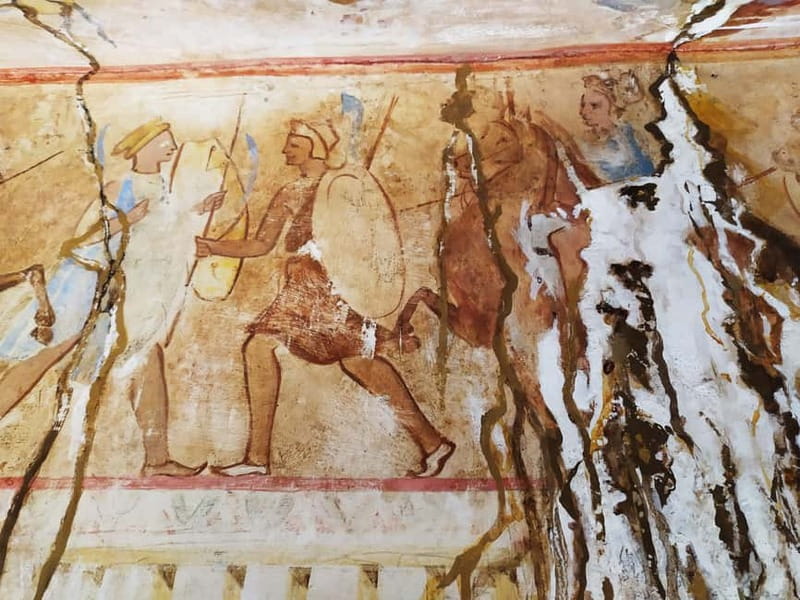
The Tomb of Kazanlak is the star of the day for many history lovers. Dating from the end of the 4th century BC, it is famous for its well-preserved original frescoes and is listed as a UNESCO World Heritage site.
The paintings are the reason this tomb carries such weight. They provide a rare look at Thracian artistic choices and burial imagery, not just at the shape of the building itself. The decoration gives you clues about the people honored there and the world they wanted to represent after death.
I would pay close attention to the condition and detail of the frescoes. Ancient wall paintings are fragile, and their survival makes this site unusual. It is not simply an old room cut into the earth. It is a protected work of art connected to a specific burial tradition.
This stop may feel brief compared with the hours spent reaching the valley, but that is the nature of archaeological sites. You are visiting a precious, limited space, not a modern attraction built for crowds. A guide can help you get more from the details before you move on.
More Thracian & Roman Sites in Sofia
- From Sofia: Rose Valley Tour & UNESCO Site Kazanlak
★ 4.6 · 12 reviews - From Sofia: Day Tour of Plovdiv with Roman Theater Ticket
★ 5.0 · 5 reviews - Tour to Koprivshtitsa and the Buzludzha monument incl the Seuthes Thracian Tomb
★ 3.5 · 3 reviews - Kazanlak Full-Day Tour from Sofia
★ 4.5 · 2 reviews
Golyama Kosmatka and the burial of Seuthes III
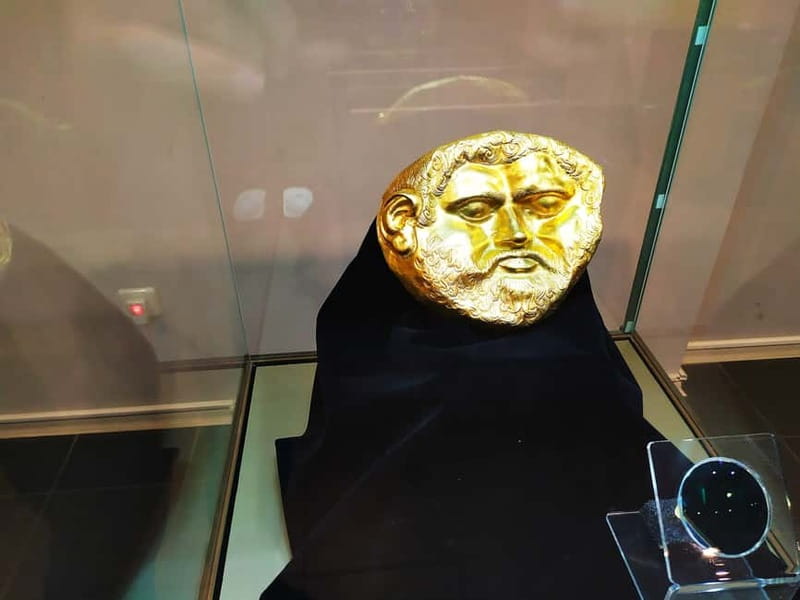
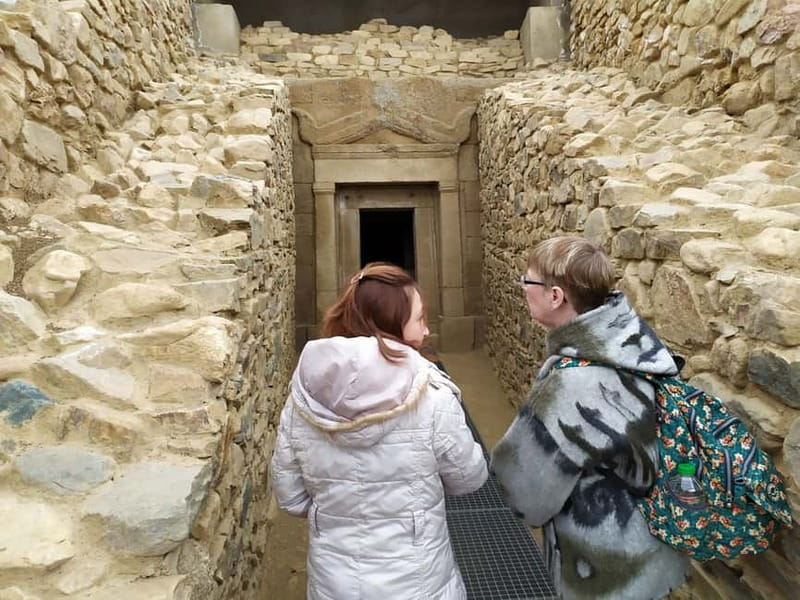
The next major stop is the Tomb of Seuthes III, also called the Golyama Kosmatka mound. It is associated with a Thracian king and dates from the 5th century BC.
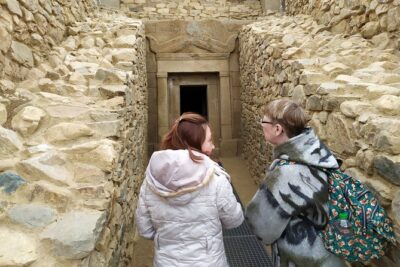
The tomb contains three chambers and one corridor. Its layout gives you a sense of a planned ceremonial space, rather than a simple burial pit. Valuable objects and works of art were found here, making it one of the richest Thracian burials discovered so far.
This is where the title Hidden Treasures feels most fitting, though the real value is not only the gold or objects. The tomb reveals the power and status of the person buried there, along with the level of planning invested in the funeral.
A guide is particularly helpful here because the architecture can be easy to skim. Listen for how the corridor and chambers relate to the burial. Ask questions if you have them. Antoine specifically praised Mika for answering many questions in a calm, clear way, and that flexibility can make a major difference at a site like this.
Ostrusha’s remarkable ceiling
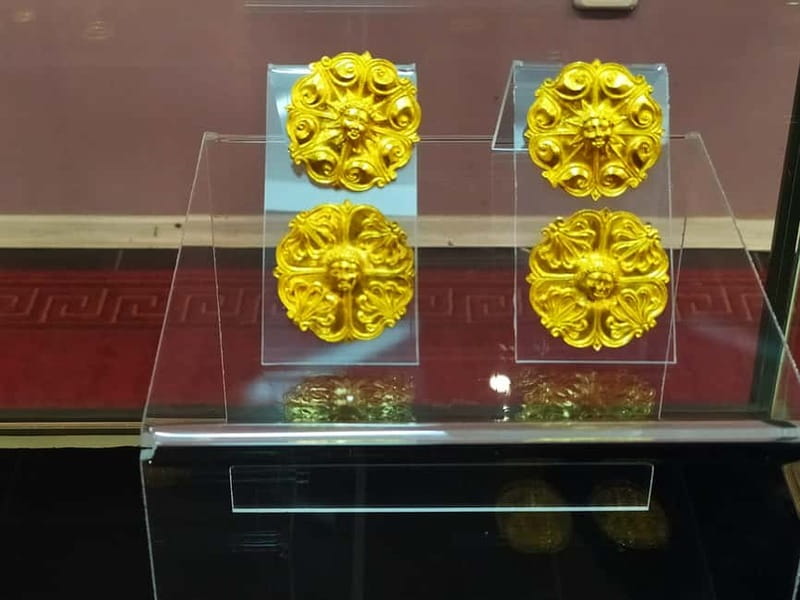
The Ostrusha tomb dates from the 4th century BC and is best known for its ceiling. Its decoration combines relief work with fine painted details, including portraits, colorful figures, and floral ornaments.
This gives the tomb a different character from the UNESCO site and Golyama Kosmatka. Instead of seeing the same design repeated three times, you encounter a series of distinct artistic choices.
I would save a little attention for the smaller visual details here. Portraits and floral patterns can be easy to miss when you are focused on the overall chamber. The ceiling is the reason this stop earns its place, and your guide can point out what makes its design unusual.
The tomb visits also show why this tour is better suited to people who enjoy history, archaeology, and close observation. If you mainly want dramatic views and quick pictures, parts of the day may feel slow.
The Valley of the Roses
The Thracians valued this broad Bulgarian valley as a burial ground, and today the area is widely known for rose-oil production. The nickname Valley of the Roses is not just decorative. It reflects a major local tradition that remains part of the region’s identity.
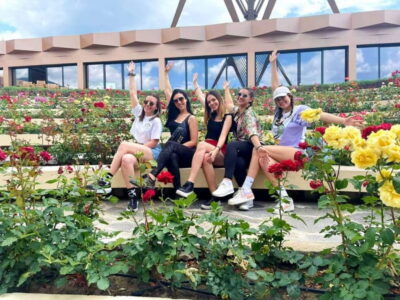
The timing of your visit affects what you see. One spring outing included a short stop among the roses, with the chance to smell the flowers and purchase rose and lavender oils. Another visit took place outside the flowering period, so the valley was still attractive but lacked the full floral display.
That is a useful expectation to carry. You should not book this primarily as a rose-field tour. The tombs and museum are the main event, while the valley provides scenery and a welcome pause during a day focused on ancient sites.
The contrast works well. You move from painted burial chambers and stone corridors into open country associated with fragrance, farming, and modern Bulgarian production.
The guide can make or break the day
The most praised part of this outing is the guide. That is not surprising, since the history is complex and the drive is long.
Mika was described as a professional archaeologist and PhD candidate, warm, flexible, and able to explain the sites without making the day feel rushed. Another passenger praised her calm manner, careful driving, and willingness to answer a long list of questions.
Ivan was praised for his extensive knowledge, friendly conversation, and humor. Adrian kept the road time lively with history about Bulgaria and the tombs. Maria provided an informative introduction during the drive, and Metodii was remembered for kindness and clear explanations.
Guide assignments can change, so you should not book on the assumption that one particular person will lead your tour. Still, the pattern is encouraging: this is a guide-led historical outing, not merely a ride between attractions.
The best approach is to participate. Ask about the Thracians, the tomb discoveries, the artwork, and what happened to the objects. People who enjoy conversation and questions are likely to get the most from the day.
Is $116 a fair price?
At $116 per person, the price is reasonable for a 10-hour small-group outing from Sofia. You are paying for a full day of private-vehicle transport, hotel pickup and drop-off, an English-speaking guide, and entrance fees.
The distance is a major part of the value. Reaching the Valley of the Thracian Kings independently would require arranging transport and coordinating several sites. This tour removes that work and gives you explanations along the way.
Food and drinks are not included, so plan for those separately. The supplied information does not specify a meal stop, restaurant, or food arrangement, and you should not expect lunch to be part of the price.
The value is strongest if you want history explained as you go. If you only want to see one tomb, the cost and 10-hour commitment may feel excessive. If you want the museum, three major tombs, the valley, and a guide who can connect them, the price is easier to justify.
Who should book this day trip?
I would recommend it most strongly to people interested in ancient history, archaeology, art, and Bulgarian culture. You do not need prior knowledge. In fact, the trip works well if the Thracians are new to you, because the guide builds the story during the drive and site visits.
It also suits solo visitors. A small group, hotel pickup, and an English-speaking guide make the day straightforward, and the experience can still work well if demand is low and you end up with a very small party.
Families with older children may enjoy it if they are comfortable with a full day of historical sites. Younger children who need frequent activity or entertainment may find the tombs and drive tiring.
I would not choose it for a relaxed countryside outing. The schedule covers several important stops, and the road from Sofia is long. This is an educational day with scenery, not a slow village tour.
Free cancellation up to 24 hours before departure and reserve-now, pay-later booking add useful flexibility. Bring a passport or ID card, and remember that food and drinks are your responsibility.
Should you book the Thracian Kings Valley tour?
Book it if you want Bulgaria beyond Sofia’s churches, cafés, and grand city buildings. The UNESCO Tomb of Kazanlak, Seuthes III’s royal burial, and Ostrusha’s decorated ceiling offer three different windows into Thracian culture.
The strongest reason to go is the guide-led format. The sites make far more sense when someone explains the people, rituals, art, and archaeological finds behind them. The main tradeoff is the 10-hour length and long road journey.
My practical advice is to pair the excursion with Sofia’s Archaeological Museum if you can. That small extra step can give you useful background before the tombs. If ancient history sounds like a pleasure rather than homework, this is a worthwhile and well-priced day outside the capital.
FAQ
How long is the tour?
The tour lasts 10 hours, including travel from Sofia and the visits in Stara Zagora Province.
What is the tour price?
The price is $116 per person.
Is hotel pickup included?
Yes. Pickup and drop-off from your accommodation in Sofia are included.
What transportation is provided?
Transport is provided by private vehicle. The group is limited to 15 participants.
What language is the tour conducted in?
The live tour guide speaks English, and English is the listed tour language.
Which tombs are included?
The tour includes the Tomb of Kazanlak, the Tomb of Seuthes III, also known as the Golyama Kosmatka mound, and the Ostrusha tomb.
Is the Tomb of Kazanlak a UNESCO site?
Yes. The Thracian Tomb of Kazanlak is listed as a UNESCO World Heritage site because of its well-preserved original frescoes.
Is the Kazanlak museum included?
Yes. The itinerary includes a visit to the History Museum in Kazanlak, and entrance fees are included.
Are food and drinks included?
No. Food and drinks are not included, so you need to arrange or purchase them separately.
What should I bring?
Bring a passport or ID card. You should also plan for your own food and drinks during the 10-hour outing.
Recently added around Sofia
- Veliko Tarnovo & Arbanasi Full day tour★ 5.0 · 5 reviews
- Private Winter Day Trip to the Rila Mountain★ 4.5 · 3 reviews
- Sofia Hidden Gems: Small-Group Walking Tour with Tram Ride★ 5.0 · 7 reviews
- Private transfer from Sofia to Plovdiv or vice versa★ 5.0 · 8 reviews
- Zemen Monastery, Boyana Church and National History Museum Tour★ 5.0 · 2 reviews
- Catacomb Tour in Sofia guided by a Local★ 4.5 · 3 reviews
- Tour to Koprivshtitsa and the Buzludzha monument incl the Seuthes Thracian Tomb★ 3.5 · 3 reviews
- From Sofia: The gorges of Trun and Dragovski stone trail★ 5.0 · 6 reviews
Rose Valley Trips, compared.
Buzludzha Monument and The Rose Valley Day Tour From Sofia 13 hrs
Read our review →
Kazanlak-Rose Valley-Valley of the Thracian Kings – private tour from Plovdiv
Read our review →
The Highlights of Bulgaria – Rose Valley and Buzludzha
Read our review →Browse the lists this tour appears in