
Review · COMMUNIST HISTORY TOURS
Sofia Food & Tasting Tour with Communist-Era Tram Ride
Sofia tastes better with a local guide. This three-hour tour pairs five food stops with major sights, Roman ruins, and a communist-era tram ride, giving you both a meal and a useful first look at Bulgaria’s capital. I like the generous food portions and Peter’s personal approach. The main drawback is that the tour covers a lot of ground, so it may feel brisk if you prefer long visits at each monument.
I also like the small group limit of 11 people, which makes it easier to ask questions and adapt the route. Peter has adjusted the tour for solo participants, skipped places people had already seen, and used the tram when hot weather made walking less pleasant. You should arrive hungry, though. This is not a light snack walk, and anyone who avoids alcohol should mention it when booking.
In This Review
- Key points about Sofia Food & Tasting Tour
- Why this tour works as a first look at Sofia
- Starting beneath St. Alexander Nevsky Cathedral
- The National Library and Sofia University
- Walking through Women’s Market and Sofia’s Area of Tolerance
- Roman Sofia at the West Gate and Serdica
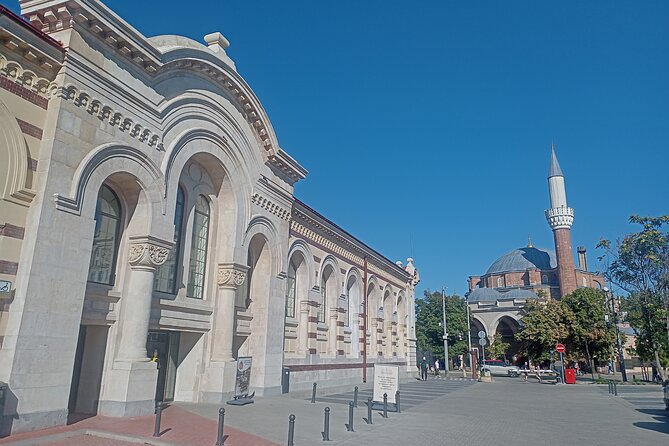
- Synagogue, mineral baths, and Banya Bashi Mosque
- What you actually eat and drink
- The communist-era tram ride
- Peter’s guiding style and group size
- Is $91.07 a fair price?
- Who should book this Sofia food tour?
- Final call: book it if food matters as much as history
- FAQ
- How long is the Sofia Food & Tasting Tour?
- Where does the tour start?
- Where does the tour end?
- What food and drinks are included?
- Can dietary restrictions be accommodated?
- What is the cancellation policy?
Key points about Sofia Food & Tasting Tour
- Five food stops with Bulgarian dishes, salad, appetizers, dessert, cheese, and traditional sausages
- Bulgarian beer and a glass of local wine are included
- A communist-era tram ride can give your feet and your imagination a break
- The route links Sofia’s cathedral, university, markets, mosques, synagogues, and Roman remains
- Peter is praised for history, architecture, local recommendations, and flexible guiding
- The price is $91.07 per person, with a city card for the day included
Why this tour works as a first look at Sofia
Sofia is an easy city to explore on foot, but its story is spread across many layers. Orthodox Christianity, Ottoman rule, Roman Serdica, modern Bulgaria, Jewish life, mineral springs, and the communist period all appear within a fairly compact central area.
This tour gives you a practical introduction to those layers while feeding you along the way. I like that the food is not treated as a separate activity from the city itself. You see a market, a mosque, old city walls, and central squares, then connect those places with local dishes and drinks.
Peter’s guiding style also seems to be a major part of the experience. He explains architecture and historical events, but he also shares his own local perspective and recommends places for the rest of your stay. Several people found that useful because the tour helped them feel more confident exploring Sofia alone afterward.
The schedule is listed as about three hours, including transport between stops. In practice, it can run longer if the group is enjoying the food, stopping at local bars, or asking plenty of questions. That flexibility sounds pleasant, but leave some space in your day rather than booking a tight connection afterward.
More Communist History Tours in Sofia
- Sofia: Communist Walking Tour
★ 4.9 · 1,106 reviews - Communist Walking Tour of Sofia
★ 5.0 · 690 reviews - Sofia: Museum of Socialist Art and Buzludzha Monument Tour
★ 4.9 · 86 reviews
Starting beneath St. Alexander Nevsky Cathedral
The meeting point is in front of the Patriarchal Cathedral of St. Alexander Nevsky, one of Sofia’s clearest landmarks. Its Neo-Byzantine design, large scale, and golden domes make it an obvious place to begin.
You get about 10 minutes here, with no admission charge listed. That is enough for an exterior introduction and a quick look inside if conditions allow, but not enough for a slow architectural study. If the cathedral is high on your personal list, return later when you can spend more time examining the interior.
The cathedral is one of the world’s largest Eastern Orthodox churches and one of Sofia’s main symbols. Starting here gives you immediate context for Bulgaria’s Orthodox identity, while the surrounding streets provide a useful orientation to the city center.
Nearby is another important building designed in a Neoclassical style by Viennese architect Friedrich Schwanberg. Its construction took place between 1881 and 1883. The supplied information does not identify the building by name, so Peter’s explanation on the day will be especially helpful.
The National Library and Sofia University
The next section moves toward Bulgaria’s intellectual center. The St. St. Cyril and Methodius National Library holds about 8.5 million documents, making it the country’s largest book treasury. Its old, rare, and valuable collection contains roughly 17,000 volumes and periodicals printed from the 15th through the 21st centuries.
You get about 10 minutes here, and temporary exhibitions may be open inside. That short stop is best understood as an introduction rather than a full library visit. If you care about manuscripts, books, or Bulgarian culture, make a note to return if your schedule permits.
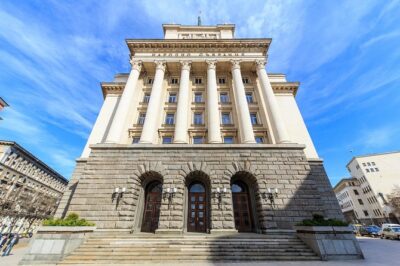
The route also includes the National Assembly building, built between 1884 and 1886 to a design by Constantin Yovanovic. The building has historic importance and is protected as a cultural monument. Peter’s background in architecture can make these short stops more meaningful, since the tour connects the buildings to the period when modern Sofia was taking shape.
Sofia University St. Kliment Ohridski was founded on October 1, 1888. It sits near the Eagles’ Bridge and the National Library. From Monday through Friday, you may be able to see the central hall and its large stained-glass windows.
That weekday detail matters. If the university interior is important to you, book with the calendar in mind and ask Peter what access is possible on your date. The outside is still worthwhile, but the central hall adds another layer to the visit.
Walking through Women’s Market and Sofia’s Area of Tolerance
One of the more useful parts of the route is the stop at Zhenski Pazar, commonly called Women’s Market. It has operated for more than 140 years and remains one of Sofia’s important trading centers.
The market is located in the so-called Area of Tolerance, named for the close proximity of places of worship used by Bulgaria’s official religious communities. Nearby are the Saints Cyril and Methodius Church, Banya Bashi Mosque, and Sofia’s Central Synagogue.
This is where the tour feels most connected to daily city life. Monumental churches are impressive, but markets show you how a place functions. You may see produce, food, and ordinary commercial activity rather than a polished sightseeing zone.
The market is also a natural setting for food talk. You can better understand Bulgarian ingredients and eating habits when you are looking at the places where food is sold. Do not expect a long shopping period, though. The tour has several stops and a fixed route, so this is more of a guided introduction than free market time.
More Food Tours in Sofia
- Sofia: Wine & Cheese Tasting Experience
★ 4.9 · 674 reviews - Wine Tasting in Heart of Sofia
★ 5.0 · 545 reviews - Sofia: Guided Tasting of Local Wines and Cheeses
★ 4.6 · 181 reviews - Sofia Afternoon Walking Tour with Wine and Food Tasting
★ 4.5 · 43 reviews
Roman Sofia at the West Gate and Serdica
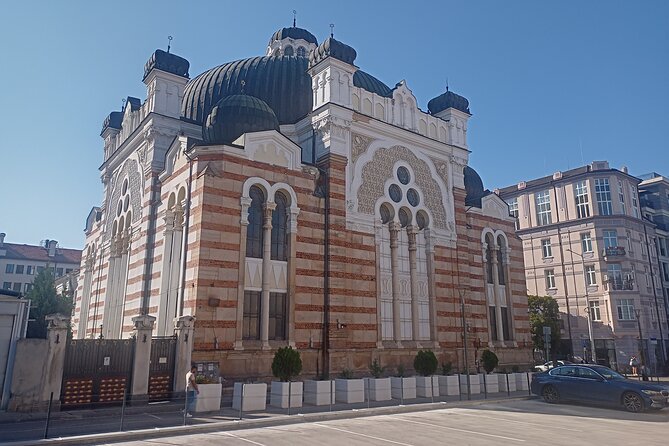
Sofia was once the Roman city of Serdica, and the remains are woven into the modern center. At the West Gate, you can learn about the first fortification wall, built in the second half of the second century AD.
The wall was about 2.20 meters wide. Later, in the late third or early fourth century, it was remodeled, and a ditch was dug in front of it. That ditch reached roughly 2 meters deep and 5 meters wide.
The Ancient Serdica Archaeological Complex offers a clearer sense of the Roman street plan. Beneath Nezavisimost Square, the Largo zone includes the remains of the decumanus maximus, one of the main streets connecting the eastern and western gates.
You can also see the remains of a large residential building covering an entire city block, or insula. Small shops once operated there, selling food and other goods to residents and people passing through.
I like this part because it explains why Sofia can feel like several cities at once. You may be standing beside modern government buildings, then look down and find a Roman road and homes below. The stop is brief, about 10 minutes, so listen closely to Peter’s explanation and take a few photographs rather than expecting a full archaeological visit.
Synagogue, mineral baths, and Banya Bashi Mosque
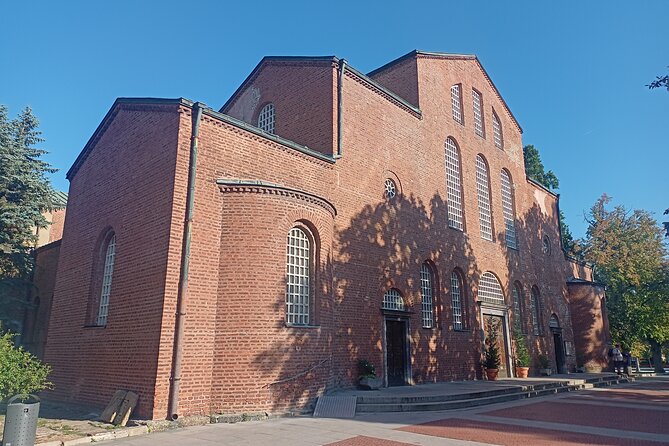
The route continues through one of Sofia’s most concentrated areas for religious and civic history. The Central Sofia Synagogue is the largest synagogue on the Balkan Peninsula and one of the three largest Sephardic synagogues in Europe.
Even a short exterior visit helps show the variety of communities that shaped central Sofia. The synagogue sits close to the mosque, Orthodox churches, and market, making this part of the walk particularly useful for understanding the city’s religious mix.
The Natural Hot Springs offer another unexpected side of Sofia. The city’s water reaches about 46 degrees Celsius, and the Central Mineral Baths building was designed in Vienna Secession style with Bulgarian, Byzantine, and Eastern Orthodox decorative elements.
Architects Petko Momchilov and Friedrich Grünanger designed the current building in 1904 and 1905. The project was approved in 1906, with earlier work involving an Austrian design in 1889. You will see the building from the outside unless Peter gives different access information on the day.
The nearby Banya Bashi Mosque was built with financial support from Mullah Effendi Kada Seyfullah. It is also known as Mollah Effendi Mosque and is associated with the Ottoman architect Mimar Sinan. The date 974 above the entrance is generally read as 974 in the Hijri calendar, corresponding to 1566 or 1567 AD.
These stops are close together but represent very different eras and communities. That variety is one of the strongest reasons to take the tour early in your Sofia stay.
What you actually eat and drink
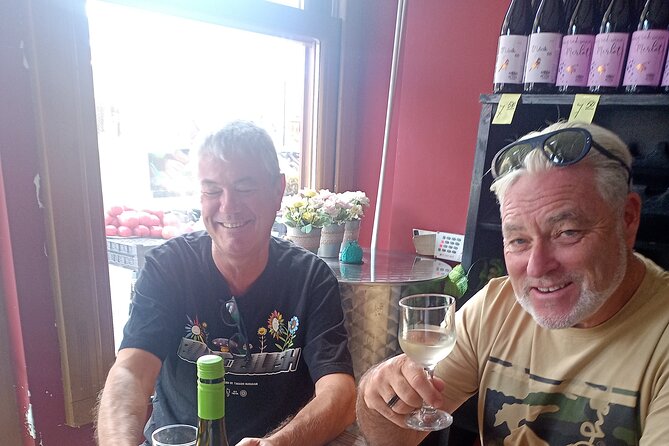
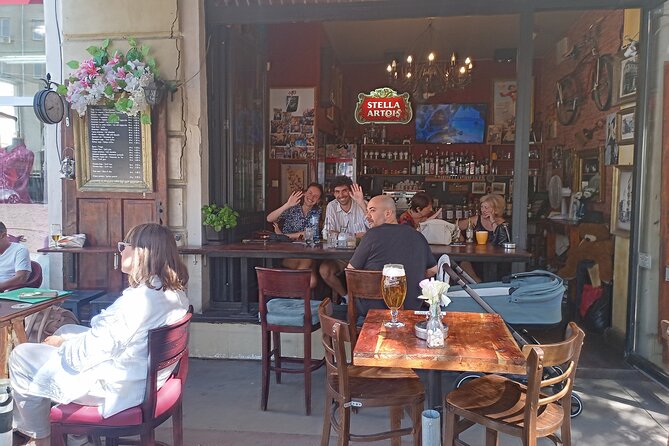
The food portion includes five stops, with traditional meals, salad, appetizers, dessert, and snacks. A sample opening course includes Bulgarian traditional sausages, cheese, and a choice of wine or beer.
The included drinks are Bulgarian beer and one glass of local wine. The food appears generous enough that one person described being very full by the end. Another particularly liked fried cheese and chicken served at a local bar or restaurant with a communist-era feel.
You should not think of this as five tiny tasting bites. The portions can add up to a proper meal, perhaps a very large one if you arrive after breakfast. Peter even suggests skipping the hotel breakfast so you have room to try everything.
The exact dishes may vary, which is normal for a food tour. The important point is that you are introduced to traditional Bulgarian flavors in several settings rather than sitting down for one fixed restaurant meal. You might taste cheese and sausages early, then move toward cooked dishes, salad, drinks, and something sweet.
Alcohol is part of the package, and alcoholic drinks are not suitable for children 17 or younger. Vegetarian, vegan, and gluten-free requests can be accommodated when stated in the special requirements at booking. The listed allergen guidance covers the standard 14 allergens, so give clear information if you have a serious allergy.
The communist-era tram ride
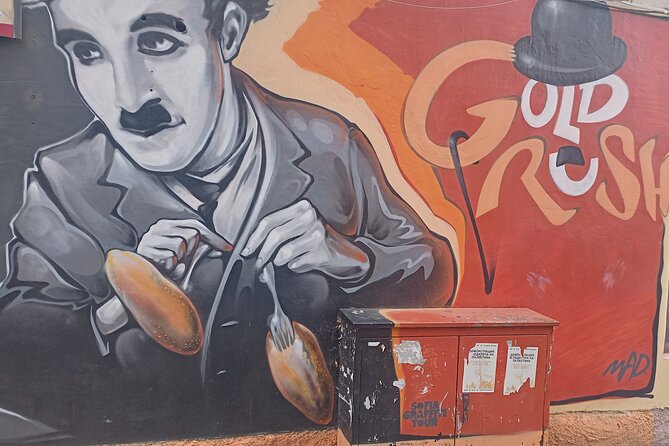
The tram ride gives the tour its most unusual feature. It is not just a way to get from one food stop to another. It adds a view of Sofia’s transport system and offers a small window into the communist period.
The precise tram route and ride length are not specified, so do not book this expecting a dedicated museum tour on rails. Instead, think of it as part of the movement through the city, with Peter adding context along the way.
The ride can be especially welcome on a hot day. One tour group used the tram to get out of the heat, and Peter adjusted the outing to keep the experience comfortable. Since the walking route includes several central sights, this break can make the pace easier.
The tour may also finish at a bar or restaurant with an old-fashioned communist-era atmosphere. Beer, wine, fried cheese, chicken, or other included food may appear there depending on the food plan for the day.
Peter’s guiding style and group size
Peter is the clear center of this experience. He is praised for careful organization, strong knowledge of Sofia’s architecture and history, and an easygoing way of handling different groups.
That flexibility matters. When one person was alone on the tour, Peter changed the route because several listed sights had already been visited. With six people, he kept the food and storytelling organized without making the group feel rushed.
The maximum group size is 11 people. That is not a private tour, but it is small enough for questions and conversation. If you are the only person booked, you may receive a more personal route. If the group is full, expect a livelier walk and less control over how long you linger.
Peter also gives practical recommendations beyond the scheduled route. He has helped with ideas for concert venues and offered suggestions for the rest of a Sofia visit. I value that kind of local advice, especially on a first day in town.
Is $91.07 a fair price?
At $91.07 per person, this is not the cheapest walking tour in Sofia. The value depends on how much you use the food and drink portion.
The fee includes five food stops, traditional meals, salad, appetizers, dessert, Bulgarian beer, a glass of local wine, breakfast, snacks, and a city card for the day. It also includes the guide’s time, the tram element, and a route through many central sights.
If you enjoy food, drink alcohol, and want a guide who can explain the city in context, the price is reasonable for a three-hour experience. It can replace both a sightseeing walk and a substantial meal. If you eat very little, avoid alcohol, or mainly want monument interiors, you may find the cost harder to justify.
Group discounts may be available. The mobile ticket is convenient, and confirmation is provided at booking. Public transportation is nearby, and service animals are allowed.
Free cancellation is available until 24 hours before the local start time. Changes or cancellations inside that window are not accepted for a refund, so keep the policy in mind when arranging a short Sofia visit.
Who should book this Sofia food tour?
I would choose this tour early in a Sofia stay. It gives you a city map in your head, introduces local food, and points you toward places you might otherwise pass without understanding.
It suits you best if you:
- Want history and food in one outing
- Prefer a small group rather than a large city walk
- Enjoy local beer, wine, and hearty portions
- Like asking questions and receiving personal recommendations
- Want a gentle introduction to Sofia’s religious and cultural mix
- Can handle several short walks between stops
It may not suit you if you want a slow museum-style visit, a tightly timed three-hour schedule, or a strictly alcohol-free tasting with no substitutions confirmed in advance. People who have already seen most of the major sights should tell Peter before the tour so he can adjust the route if possible.
Final call: book it if food matters as much as history
I recommend Peter’s Food & Tasting Tour for first-time visitors who want to understand Sofia through both its buildings and its table. The best features are the generous food, the small group, the tram ride, and Peter’s willingness to adapt.
Book it early, arrive hungry, mention every dietary need, and do not plan another large meal afterward. If you want a quiet, detailed visit inside each monument, choose a specialist walking tour instead. If you want a friendly introduction that mixes Roman ruins, religious buildings, local markets, Bulgarian drinks, and an unusually personal guide, this is a strong choice.
FAQ
How long is the Sofia Food & Tasting Tour?
The tour lasts approximately three hours, including travel time between stops. It may run longer if the group spends extra time at food stops or local bars.
Where does the tour start?
It starts at Patriarchal Cathedral St. Alexander Nevsky in Sofia Center, at pl. Sveti Aleksandar Nevski, 1000 Sofia, Bulgaria.
Where does the tour end?
The tour ends at the Central Market Hall of Sofia, at bul. Knyaginya Maria Luiza 25, level minus one, Sofia Center.
What food and drinks are included?
The experience includes five food stops, traditional meals, salad, appetizers, dessert, breakfast, and snacks. Bulgarian beer and a glass of local wine are also included.
Can dietary restrictions be accommodated?
Vegetarian, vegan, and gluten-free requests can be accommodated. You should provide your dietary requirements in the special requirements field when booking.
What is the cancellation policy?
You can cancel at least 24 hours before the experience start time for a full refund. Cancellations or changes made less than 24 hours before the start time are not accepted for a refund.
More Food in Sofia
- Market Food Tour
★ 4.5 · 21 reviews - Sofia: 5-Stop Food & Culture Tour by Communist-Era Tram
★ 5.0 · 18 reviews - Bulgarian Food tasting, cullinary-historical tour, Cooking class
★ 4.5 · 15 reviews - 3-Hour Private Bulgarian Food Tasting Tour of Sofia
★ 5.0 · 14 reviews
Recently added around Sofia
- Veliko Tarnovo & Arbanasi Full day tour★ 5.0 · 5 reviews
- Private Winter Day Trip to the Rila Mountain★ 4.5 · 3 reviews
- Private transfer from Sofia to Plovdiv or vice versa★ 5.0 · 8 reviews
- Zemen Monastery, Boyana Church and National History Museum Tour★ 5.0 · 2 reviews
- Sofia Hidden Gems: Small-Group Walking Tour with Tram Ride★ 5.0 · 7 reviews
- Catacomb Tour in Sofia guided by a Local★ 4.5 · 3 reviews
- Tour to Koprivshtitsa and the Buzludzha monument incl the Seuthes Thracian Tomb★ 3.5 · 3 reviews
- From Sofia: The gorges of Trun and Dragovski stone trail★ 5.0 · 6 reviews
Communist History Tours, compared.
Museum of Socialist Art and Buzludzha Monument Tour
Read our review →
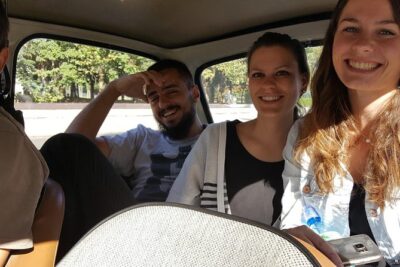
Sofia Communist History 2-Hour Tour in a Classic Trabant
Read our review →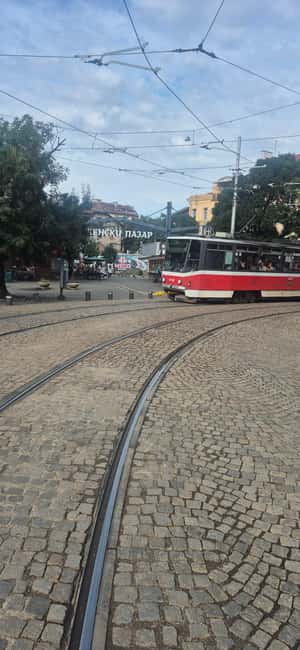
5-Stop Food & Culture Tour by Communist-Era Tram
Read our review →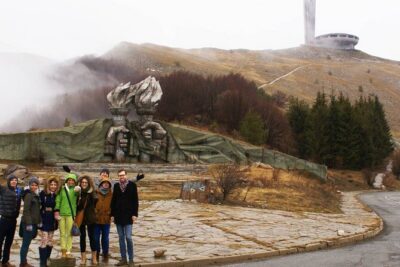
Buzludzha Monument and The Rose Valley Day Tour From Sofia 13 hrs
Read our review →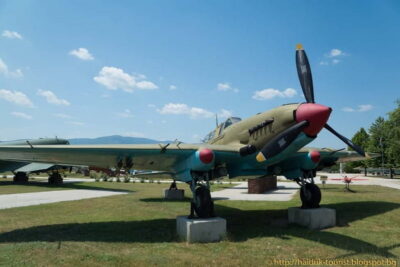
Buzludzha Monument & Museum of Aviation Day Trip
Read our review →Browse the lists this tour appears in