
Review · COMMUNIST HISTORY TOURS
Plovdiv: Buzludzha Monument & Museum of Aviation Day Trip
Bulgaria’s socialist past is hard to ignore. This 10-hour day trip from Plovdiv links the striking Buzludzha Monument with Dimitrovgrad and the Museum of Aviation near Plovdiv Airport. I like the unusual mix: one stop takes you high into the Balkan Mountains, while the other puts Cold War aircraft, helicopters, and Bulgaria’s space program within easy reach.
I also like the small-group format, limited to eight people, and the strong guiding. Ivan, Ivo, Adrian, and Evo are praised for their history knowledge, patience, and practical help. The main drawback is the long road day. You may spend roughly two to three hours reaching Buzludzha, and mountain weather can make the visit harder, especially in winter.
In This Review
- Key points to know before booking
- Why this unusual Bulgaria day trip works
- The long road to Buzludzha
- Buzludzha Monument and Bulgaria’s socialist past
- Dimitrovgrad, a planned Communist-era town
- Inside the Museum of Aviation near Plovdiv
- The guides make the biggest difference
- Price, pace, and what you receive for $106
- Who should book this experience?
- Should you book the Buzludzha and aviation tour?
- FAQ
- Where does the tour begin?
- Where does the tour finish?
- How long does the tour last?
- How long is the drive to Buzludzha?
- What language does the guide speak?
- How large is the group?
- Is lunch included?
- Are entry tickets included?
- What should I bring?
- Can the itinerary change?
Key points to know before booking
- Buzludzha is the day’s main event: The 1981 monument rises on a mountain site and offers an unusual look at Bulgaria’s socialist era.
- The journey takes time: Pickup is at 8:00 a.m., with about 10 hours on the road and at the sights.
- Dimitrovgrad adds everyday Communist-era context: Its parks and monumental buildings show how a planned town was designed.
- The aviation museum is hands-on: You can see fighter jets, helicopters, transport aircraft, and, according to the supplied details, enter the cockpit of a MiG-21.
- Guiding is a major strength: Ivo is described as a history teacher, while Ivan and Adrian are praised for clear explanations and friendly help.
- Winter requires flexibility: Heavy snow once prevented a car from reaching Buzludzha, so comfortable shoes and sensible clothing matter.
Why this unusual Bulgaria day trip works
Most day trips from Plovdiv focus on ancient ruins, monasteries, or traditional villages. This one takes a different route. It is about Bulgaria in the 20th century: socialism, military aviation, planned towns, and the political ideas that shaped public life for decades.
That makes the trip especially useful if you want more than pretty old streets. Buzludzha is visually dramatic, Dimitrovgrad gives you a town built under Communist rule, and the aviation museum shows the machinery behind Bulgaria’s Cold War military role. Together, the stops make a coherent day rather than three unrelated attractions.
You should also know what this is not. It is not a relaxed countryside outing with long meals and plenty of free time. The drive is substantial, and the schedule covers a wide area. I would choose it for its subject matter and strong guide service, not for a slow pace.
Pickup from your Plovdiv accommodation is included at 8:00 a.m. The return time depends on traffic, weather, and time spent at each stop, but the planned duration is about 10 hours. Drop-off can be anywhere you like in Plovdiv, which is useful if you want to finish near a restaurant, railway station, or another part of the center.
More Day Trips in Plovdiv
- Plovdiv: Valley of the Thracian Kings Guided Day Trip
★ 4.9 · 25 reviews - Day trip to The Marvelous Bridges and the unique Rhodope cuisine
★ 5.0 · 15 reviews - From Sofia: Plovdiv and Rila Monastery tour in one day
★ 3.5 · 13 reviews
The long road to Buzludzha
The first part of the day is a drive toward Buzludzha Monument in Stara Zagora Province. The supplied information describes roughly two hours to the first point of interest, while the full description also refers to approximately three hours on the scenic mountain journey. In practical terms, plan for a long morning in the vehicle.
That distance is the price of reaching one of Bulgaria’s most unusual modern monuments. The route passes through mountain areas, villages, fields of vines, rose-growing areas, and open farmland. One detailed account also noted storks on telegraph poles, horse carts, and old Lada cars along the way. These are small details, but they give the drive a distinctly Bulgarian feel.
Your guide matters here. A long drive can feel empty if you are left to stare out of the window, but the strongest accounts of this trip praise the guides for explaining Bulgarian and Ottoman history, politics, and local life along the route. Ivo, in particular, is described as a history teacher who answers detailed questions with patience. That kind of conversation can turn transfer time into part of the experience.
The mountain weather deserves respect. In late December, Buzludzha was reached in difficult winter conditions, and one February visit had so much snow that the guide could not take the car all the way to the monument. The guide then worked out another way to continue and patiently helped an older traveler make the climb.
For that reason, wear sturdy, comfortable shoes. Bring warm clothing in winter, and expect the final approach to be more demanding than a simple roadside photo stop. The instructions specifically recommend comfortable shoes, and this is advice worth taking seriously.
Buzludzha Monument and Bulgaria’s socialist past
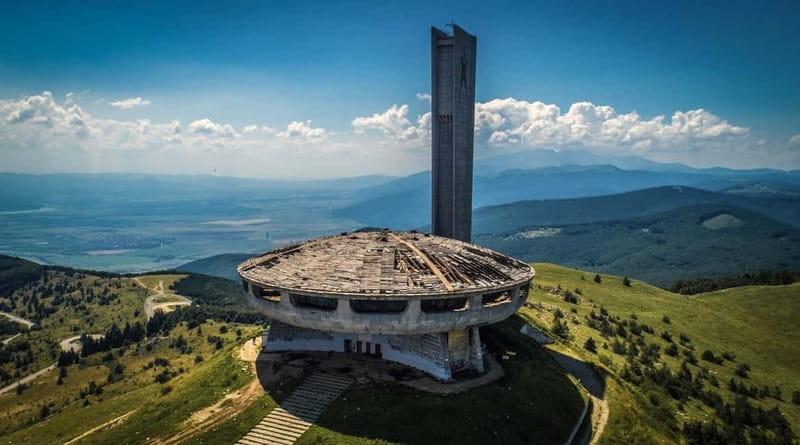
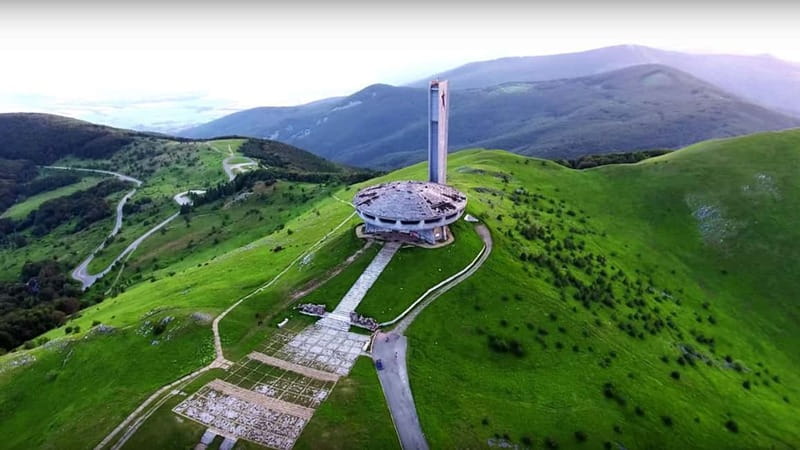
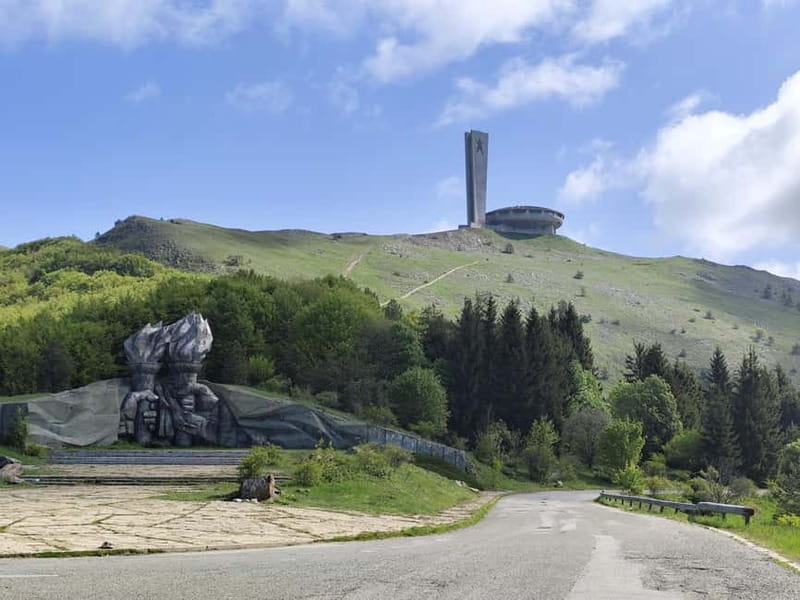
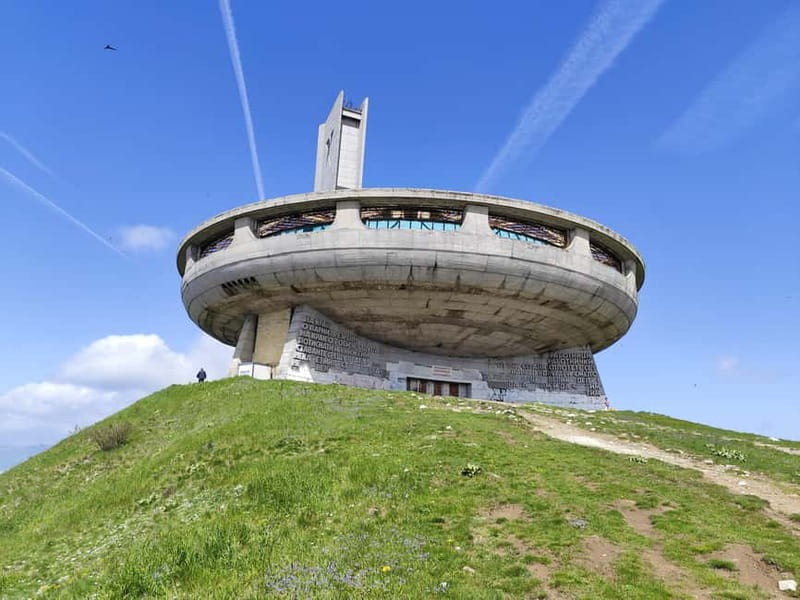
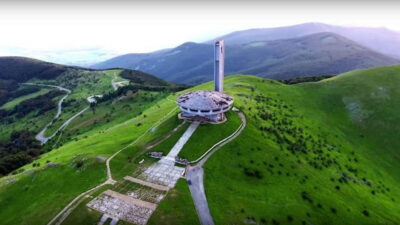
Buzludzha Monument was erected in 1981 to commemorate socialism. Construction began in 1974, with Bulgarian Army units and many artisans working on the large sculptures and interior murals. Its circular, futuristic form has made it one of the best-known surviving symbols of Bulgaria’s Communist period.
The setting is part of the effect. The monument sits high in the mountains, separated from ordinary town life and reached by a winding route. Even before you focus on the architecture, the location creates a strong sense of scale and isolation.
After the Bulgarian government fell from power in 1989, the monument was abandoned. It was left open to vandalism and weather for years. More recently, volunteers, artists, and experts from Bulgaria and other European countries helped restore parts of the site. That restoration effort gives the visit an important human side: you are not simply looking at a political relic, but at a difficult building being preserved because it matters to the country’s story.
The interior murals and large figures are central to the experience. The artwork reflects the visual language of the socialist state, with heroic workers, political symbols, and grand public messaging. You do not need to admire the ideology to appreciate the scale of the design or the skill involved in making it.
I would allow yourself time to look closely rather than treating Buzludzha as a quick photograph. The monument works on two levels. First, it is an extraordinary piece of architecture. Second, it asks you to think about how governments use buildings, art, and remote public spaces to express power.
Access and conditions can vary. The supplied information confirms a visit to the monument, but it does not promise that every part of the interior is open at all times. Weather can also change the experience. In summer, you may have a clearer and easier visit. In winter, snow can add drama but also make the approach slower and more difficult.
Dimitrovgrad, a planned Communist-era town
After Buzludzha, the trip descends from the mountain and continues toward Dimitrovgrad. The town is described as one of the few Bulgarian settlements established during the Communist era. It was built from the ground up in 1944, giving it a different feel from older Bulgarian towns shaped by Ottoman, medieval, or Revival-era streets.
The visit focuses on the center, parks, and monumental buildings. You will not find the narrow lanes and old stone houses that define Plovdiv’s historic quarter. Instead, Dimitrovgrad offers broad civic spaces and architecture designed to express order, progress, and public purpose.
This stop is valuable because it places Buzludzha’s ideology in a lived setting. At the monument, socialism appears as a grand national message. In Dimitrovgrad, you see how that period shaped an entire town. The contrast helps you understand the practical side of planned urban design.
A walk through the center also breaks up the long drive. One detailed account describes a stop for lunch at a pavement café, including a vegetarian meal. Lunch is not included in the tour price, so you should budget separately and ask your guide about the day’s timing and available options.
Dimitrovgrad will probably appeal most to people interested in architecture, political history, and ordinary urban life. If your idea of Bulgaria is only ancient ruins and mountain scenery, this stop may feel plain at first. Give it time. The parks and monumental buildings are precisely what make the town different.
More Communist History Tours in Plovdiv:
- A Day trip to the Thracian Kings, The Valley of Roses & Buzludzha
★ 5.0 · 6 reviews - Communist Heritage Tour- Buzludzha and The Might of the East Block Aviation
★ 5.0 · 6 reviews - Plovdiv – Buzludzha and the Thracian kingdom valley
★ 5.0 · 3 reviews - Buzludzha, Shipka Monument of Freedom, Shipka Memorial Church & Golyama Kosmatka
★ 5.0 · 2 reviews
Inside the Museum of Aviation near Plovdiv
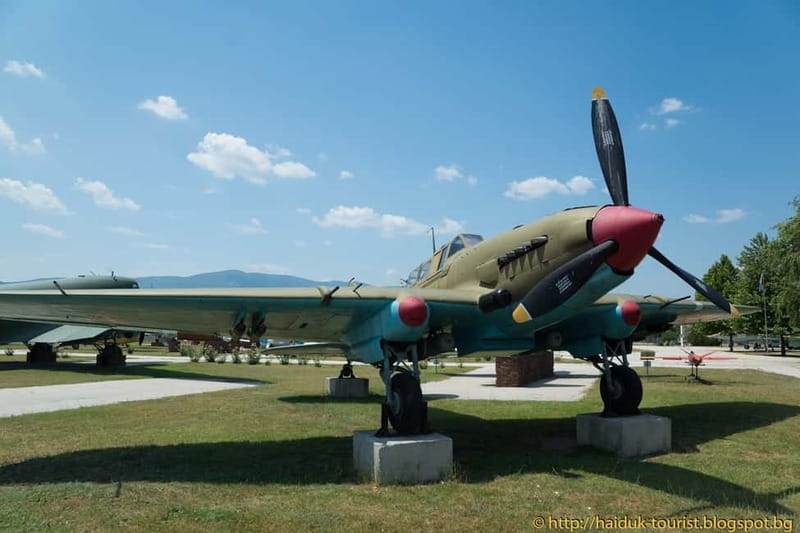
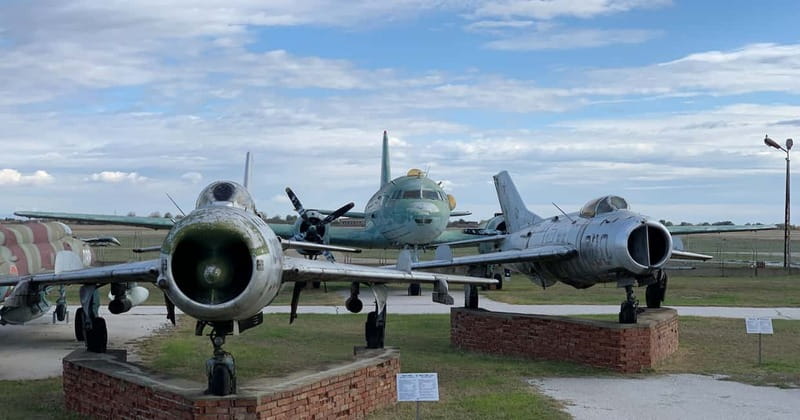
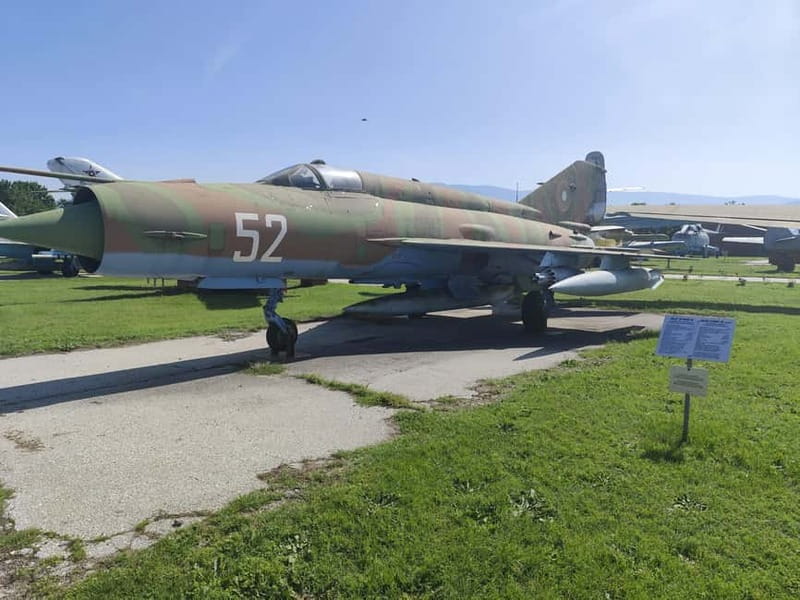
The final major stop is the Museum of Aviation, located on the grounds of Plovdiv International Airport. The collection includes fighter jets, helicopters, and transport aircraft, with displays about Bulgarian aviation and the Bulgarian Air Force.
The MiG-21 is one of the key aircraft here. It was a mainstay of the Bulgarian Air Force during the Cold War, and the supplied details state that it is in excellent condition. You can even climb into the cockpit, which makes the aircraft easier to understand than a machine viewed only from behind a barrier.
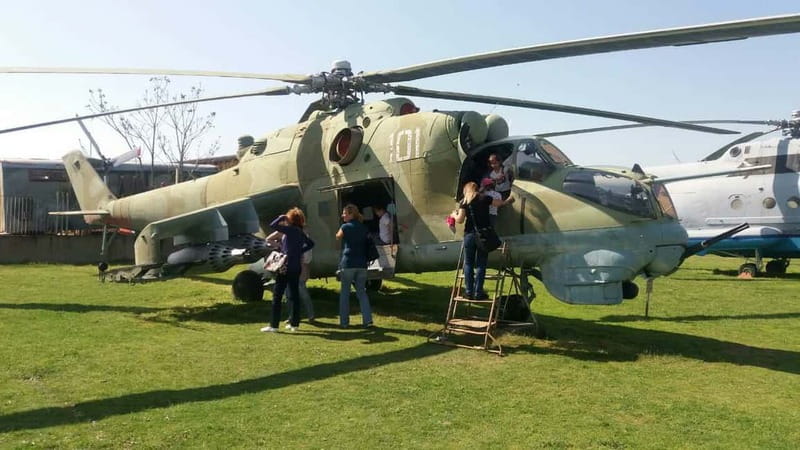
The helicopter collection includes the Mi-24 Hind attack helicopter, one of the most recognizable military helicopters of the Soviet era. Its size and heavy design make it an effective counterpoint to the slimmer fighter aircraft.
The museum also covers Bulgaria’s space program. That broadens the visit beyond military hardware. You get a look at aviation technology, national defense, and Bulgaria’s place in the wider story of space exploration.
Interactive exhibits and information displays provide context for the aircraft. I would not expect a giant aviation complex with hours of galleries, but the mix of planes, helicopters, cockpit access, and space material gives the stop real variety. It is a particularly good addition for anyone who likes engineering, military history, or unusual museums.
The museum’s opening status deserves attention. During one winter visit, it was closed, and the guide rearranged the plan and substituted a Thracian tomb. That shows useful flexibility, but it also means you should not treat every stop as guaranteed under every condition. Ask about the schedule when booking or before departure, especially if your dates fall outside the main season.
The guides make the biggest difference
The tour’s strongest feature is the guide service. Four names appear in the supplied experiences: Ivan, Ivo, Adrian, and Evo. The spelling varies for Ivo and Evo, so confirm the assigned guide if that matters to you.
Ivan is praised for explaining Bulgarian history and for helping with directions before and after the trip. Ivo is described as a professional history teacher with a strong interest in Bulgaria’s past and present. Adrian is praised for Balkan knowledge, humor, and easy conversation. Evo is described as well educated in history and politics and careful about safety in bad snow.
These comments point to a guide-led experience rather than a simple transport package. That matters because the places need explanation. Buzludzha can otherwise become a strange concrete shell. Dimitrovgrad can look like a collection of parks and civic buildings. The aircraft can seem like impressive machines without the political and technical background that gives them meaning.
A small group capped at eight people is another practical advantage. You can ask questions without holding up a large bus, and the guide can respond to different interests. That was especially helpful during a snow-related change of plan and when assisting an older participant.
Price, pace, and what you receive for $106
At $106 per person, the price is reasonable if you value private-feeling transport, entry tickets, hotel pickup and return, and a full day with an English-speaking guide. You are covering a wide route that would be difficult to manage efficiently without your own car, especially in uncertain mountain weather.
The value is less obvious if you only want to see Buzludzha and take a quick photo. The long drive makes the monument expensive in time, and lunch is not included. You should also be ready for a full 10-hour day rather than a light half-day outing.
Still, the combination is hard to reproduce independently without planning several separate transport legs. The guide adds the most value by connecting the sites and handling changes. Free cancellation up to 24 hours before departure and the option to reserve now and pay later also make the booking less rigid, according to the supplied terms.
Who should book this experience?
I would choose this trip if you are curious about Bulgaria after 1944, enjoy guided historical discussion, or want to visit places that do not fit the usual Plovdiv sightseeing route. It also suits aviation fans, architecture enthusiasts, photographers, and anyone who likes travel with a strong sense of place.
It may not suit you if you dislike long drives, need a slow and flexible day, or prefer ancient and religious sites. The mountain visit can be physically awkward in snow, and the itinerary may change if the aviation museum is closed.
The strongest reason to book is the quality of the guide. Ivo, Ivan, Adrian, and Evo are praised for their explanations, friendliness, and care, and that is exactly what this route needs. The sights are unusual, but the interpretation turns them into a meaningful day.
Should you book the Buzludzha and aviation tour?
Yes, if you want to understand a less familiar side of Bulgaria and are willing to spend much of the day on the road. Buzludzha gives you the grand symbol, Dimitrovgrad shows the planned town, and the aviation museum adds machines, military history, and space exploration.
Book with realistic expectations: wear comfortable shoes, bring clothing suited to the mountain season, plan to buy your own lunch, and allow for changes caused by weather or museum hours. If that sounds like a fair trade for a rare look at Bulgaria’s socialist past, this is one of the more distinctive day trips you can make from Plovdiv.
FAQ
Where does the tour begin?
The guide picks you up from your hotel or accommodation in Plovdiv at 8:00 a.m.
Where does the tour finish?
The guide drops you off anywhere you like in Plovdiv at the end of the day.
How long does the tour last?
The planned duration is 10 hours.
How long is the drive to Buzludzha?
The provided details describe roughly two to three hours of driving to reach the Buzludzha area.
What language does the guide speak?
The live guide speaks English.
How large is the group?
The tour is a small-group experience limited to eight participants.
Is lunch included?
No. Lunch is not included in the price, so you should budget separately.
Are entry tickets included?
Yes. Entry tickets are included.
What should I bring?
Comfortable shoes are specifically recommended. Warm clothing is also sensible during winter visits because snow and difficult mountain conditions can affect the approach.
Can the itinerary change?
Yes. A supplied experience describes the aviation museum being closed during one visit, after which the guide rearranged the day and visited a Thracian tomb instead. Heavy snow has also affected access to Buzludzha, so some flexibility is useful.
More Museum Visits in Plovdiv
- Plovdiv: Old Town Guided Walking Tour & Audioguide & Museum
★ 4.1 · 17 reviews - Guided Walking Tour Old Town of Plovdiv & Visit to the museum
★ 4.5 · 2 reviews - Admission Ticket to the Museum of Illusions in Sofia
★ 5.0 · 659 reviews - From Sofia: Rila Monastery and Optional Museum, Cave or Spa
★ 4.6 · 270 reviews
Recently added around Plovdiv
- Veliko Tarnovo – Arbanassi – Shipka Memorial Church – private tour from Plovdiv★ 4.5 · 6 reviews
- Tour from Plovdiv to Bachkovo,Asen Fortress and Wonderful Bridges★ 5.0 · 4 reviews
- Thracian Valley wine tasting – private day tour from Plovdiv★ 5.0 · 4 reviews
- Roman Plovdiv, Self-Guided Tour and Urban Quest Game★ 5.0 · 6 reviews
- Transfer Plovdiv to Sofia airport/city with a car 3+1★ 5.0 · 3 reviews
- Plovdiv – Buzludzha and the Thracian kingdom valley★ 5.0 · 3 reviews
- Plovdiv Roman Sights Self-Guided★ 4.5 · 3 reviews
- Plovdiv Exquisite Wine Tasting★ 5.0 · 2 reviews
Communist History Tours, compared.
Museum of Socialist Art and Buzludzha Monument Tour
Read our review →
Sofia Communist History 2-Hour Tour in a Classic Trabant
Read our review →
Sofia Food & Tasting Tour with Communist-Era Tram Ride
Read our review →
5-Stop Food & Culture Tour by Communist-Era Tram
Read our review →
Buzludzha Monument and The Rose Valley Day Tour From Sofia 13 hrs
Read our review →Browse the lists this tour appears in