
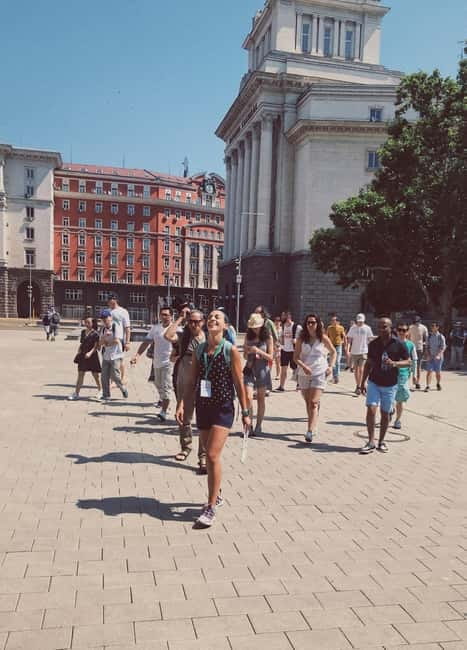
Review · WALKING TOURS
Sofia: City Highlights Sightseeing Walking Tour
Sofia packs centuries into two walkable hours. This tour gives you a quick, well-planned look at the city’s Roman, Ottoman, Bulgarian, and communist layers, with St. Alexander Nevsky Cathedral as its grand opening scene. I especially like the chance to enter the cathedral and the way the route links major sights with local customs, mineral springs, and stories rather than treating Sofia as a string of photo stops. The main consideration is pace: you see about 20 places, but only the cathedral is entered.
The $18 price is appealing for a two-hour introduction, especially if you are in Sofia for a short stay or want context before exploring alone. I also like the finish near Vitosha Boulevard, where you can easily continue with lunch or an afternoon walk. This is an outdoor walking tour, so comfortable shoes and weather-ready clothing matter, and the route is not suitable for wheelchair users.
In This Review
- Five things to know before you book
- Starting beneath Sofia’s golden domes
- St. Sophia Basilica and the city’s name
- The Russian Church, City Garden, and National Theatre
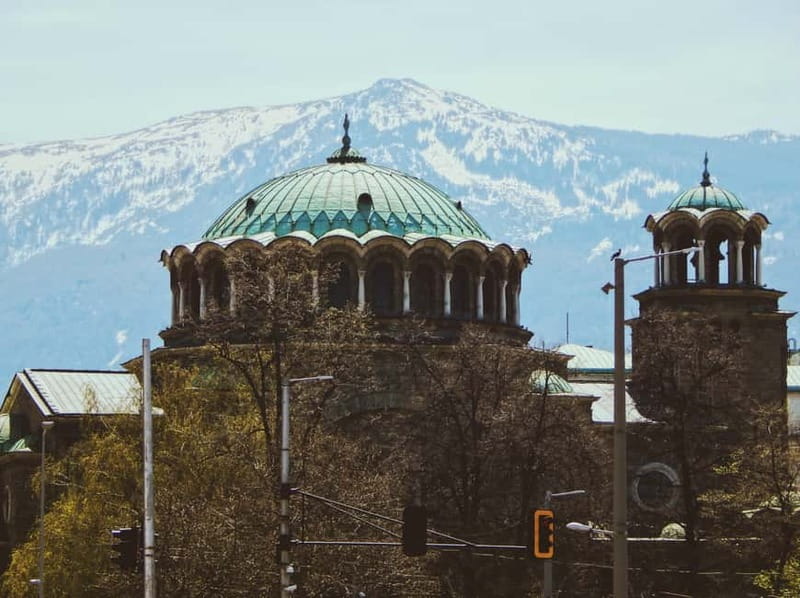
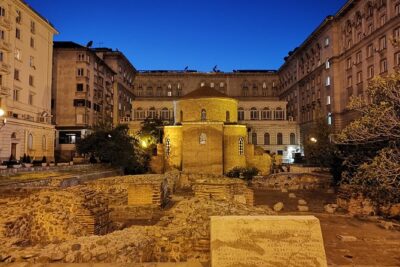
- The fourth-century St. George Rotunda
- Royal and communist Sofia near the Presidency
- Mineral springs beside the former Central Bath
- Sofia’s Square of Tolerance
- Why the two-hour format works, and where it does not
- Is $18 a fair price for Sofia?
- Where the walk leaves you
- Who should book this walking tour?
- Final verdict: a smart first walk in Sofia
- FAQ
- How long is the Sofia City Highlights Sightseeing Walking Tour?
- How much does the tour cost?
- What language is the tour conducted in?
- Where do I meet the guide?
- Can I enter St. Alexander Nevsky Cathedral?
- Do I enter the other churches and buildings?
- Where does the tour end?
- Is food included?
- What should I bring?
- Is the tour suitable for wheelchair users?
Five things to know before you book
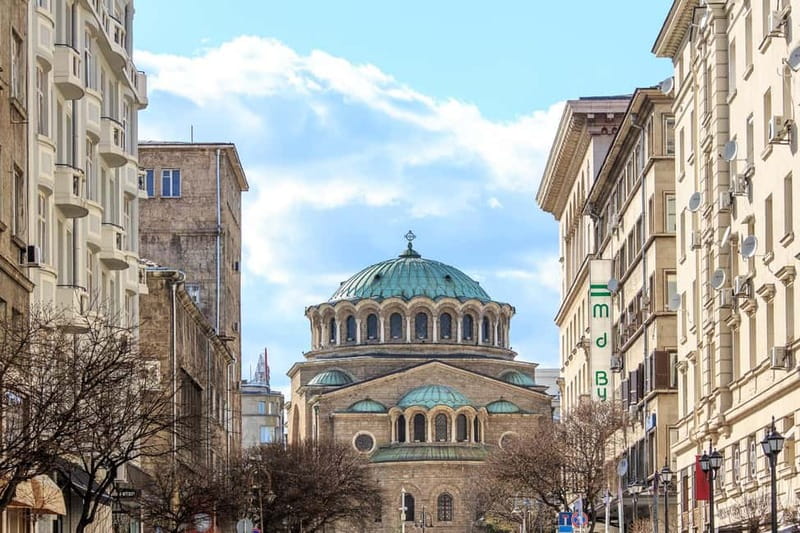
- The cathedral is both the meeting point and the only interior visit: Meet on the stairs at the central entrance of St. Alexander Nevsky Cathedral, then go inside with the guide.
- You see 20 major places in two hours: Expect a brisk overview rather than long visits inside museums, churches, or government buildings.
- Sofia’s four faiths share one small district: The Square of Tolerance brings a Catholic church, Orthodox church, mosque, and synagogue close together.
- The route crosses several eras: Roman ruins, Ottoman traces, Bulgarian national buildings, royal landmarks, and communist-era institutions all appear.
- Nikola has earned repeated praise: He is described as warm, fluent in English, funny, flexible, and full of useful ideas for the rest of your stay.
- The ending is practical: You finish near Vitosha Boulevard and Sofia City Court, close to restaurants and the city’s main pedestrian street.
Starting beneath Sofia’s golden domes
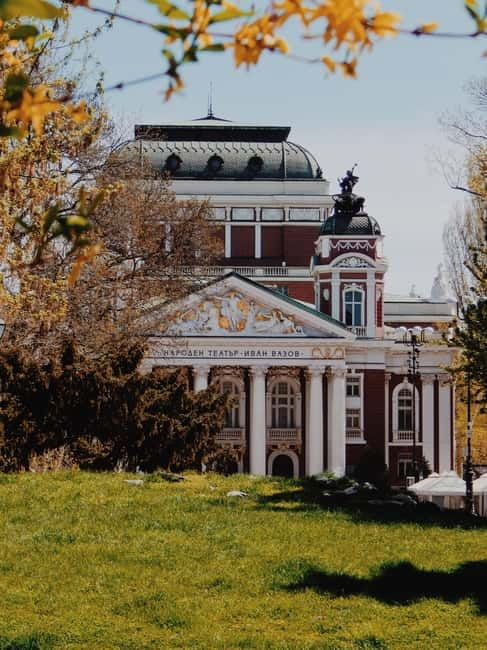
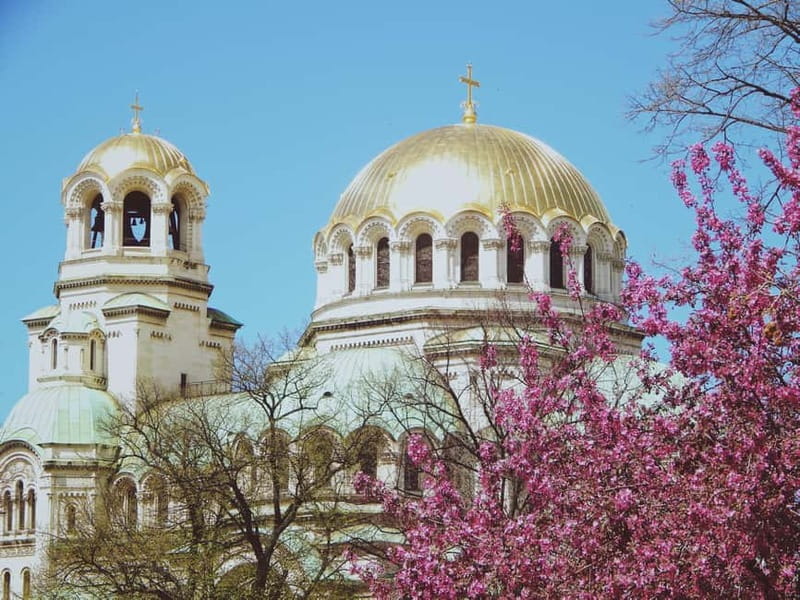
Your guide meets you on the steps in front of St. Alexander Nevsky Cathedral. This is a smart starting place: the cathedral is Sofia’s most recognizable building, easy to find, and an immediate reminder that Bulgaria’s capital is a city of grand religious and political symbols.
The cathedral’s huge scale can make it feel like a monument first and a place of worship second. Entering with a guide helps put the building in context, including its story and place in Bulgarian culture. You should allow a few minutes for the interior visit, but do not expect a long, quiet architectural study. The tour has many more stops ahead.
Nikola is the guide most often named in the available feedback, and his strengths fit this route well. He is praised for clear English, enthusiasm, humor, courtesy, and an easy pace. One useful quality is his willingness to answer questions and offer suggestions for what to do after the tour. That can be especially helpful on a short Sofia visit.
More Walking Tours in Sofia
- Sofia: Communist Walking Tour
★ 4.9 · 1,106 reviews - Sofia: City Monuments Guided Walking Tour with Audio Guide
★ 4.5 · 825 reviews - Communist Walking Tour of Sofia
★ 5.0 · 690 reviews
St. Sophia Basilica and the city’s name
From the cathedral, the walk continues to St. Sophia Church, or the Saint Sophia Basilica. This stop matters because the city took its name from the church. It is not just another old building on a sightseeing list. It helps explain how Sofia’s identity developed around layers of faith, settlement, and public life.
The guide’s role here is to connect the name of the city with the place in front of you. You will hear about Sofia and Bulgaria’s past while moving through the streets, rather than stopping for a full formal lecture at every point. That approach keeps the tour moving, though anyone wanting extensive time inside each church will find the schedule too tight.
The route also gives you a chance to notice how close Sofia’s major sights are to one another. The city center is compact enough for a walking tour to cross several periods without transport. You go from a major Orthodox cathedral to an early church, then onward toward royal, cultural, and government buildings.
The Russian Church, City Garden, and National Theatre
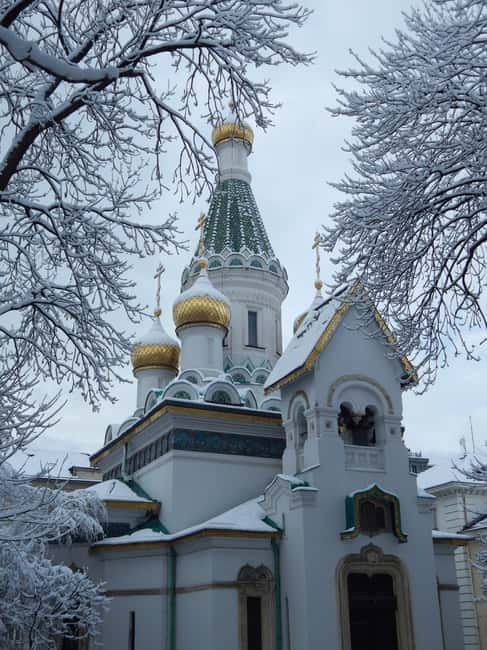
The Russian Church adds another religious and architectural marker to the route. After the larger cathedral, its more intimate scale offers a useful contrast. The guide explains the building as part of Sofia’s wider cultural story, helping you see that the center is not defined by one national tradition alone.
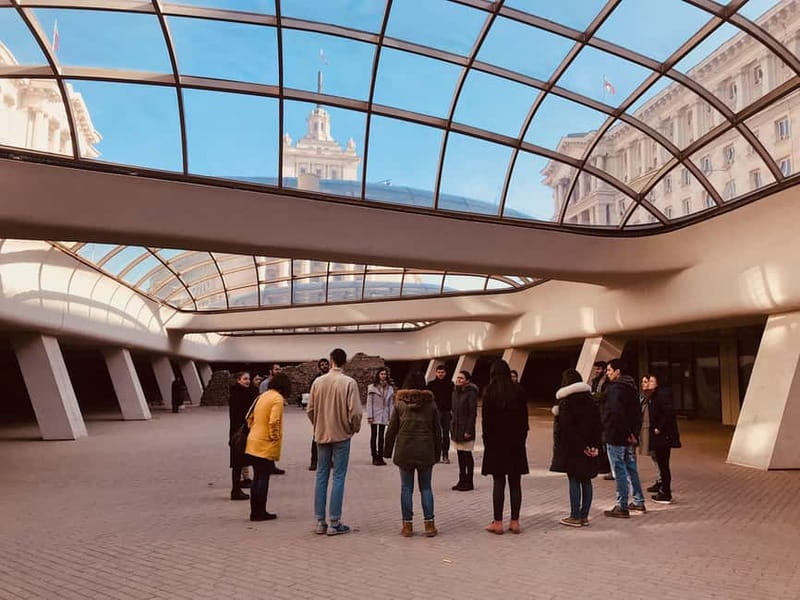
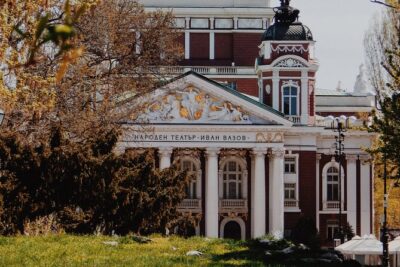
You then walk through City Garden toward the Ivan Vazov National Theatre. This section gives the tour a lighter change of mood. The garden and theater are tied to Sofia’s civic and artistic life, not only its religious past. The theater’s formal exterior is one of the city center’s memorable sights, and the walk gives you time to take it in without the stop feeling detached from the rest of the route.
I like this middle section because it breaks up the sequence of churches and official buildings. It also gives the guide room to talk about local habits and traditions, which can be more useful than another list of dates. The tour is designed to be interactive and family-friendly, so you can expect questions, conversation, and stories rather than a silent march from one landmark to the next.
The fourth-century St. George Rotunda
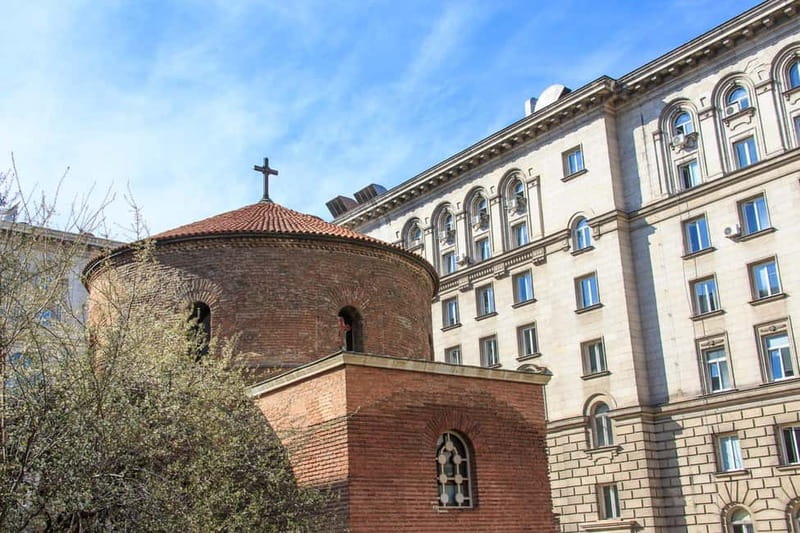
The St. George Rotunda is one of Sofia’s most important ancient structures and is described as the city’s oldest building. Dating to the fourth century, it gives you a direct look at the Roman layer beneath modern Sofia.
The rotunda is especially valuable because it is surrounded by later buildings. That setting makes the city’s history visible in a single glance. Sofia does not present its past in one tidy district. Ancient remains sit beside newer institutions, streets, and courtyards, and this stop helps you understand that unusual mix.
You will see the rotunda from the outside as part of the walking route. The tour does not have time to enter every building, so plan on listening to the explanation and taking photographs rather than making a long interior visit. If ancient Roman sites are your main reason for coming to Sofia, you will want extra independent time afterward.
Elsewhere in Bulgaria, a very different sort of day:
- From Sofia: Rila Monastery & Boyana Church Day Tour
★ 4.7 · 5,107 reviews - From Sofia: Must-See Rila Monastery & Boyana Church Day Tour
★ 4.6 · 3,322 reviews - From Sofia: Guided Day Tour of Plovdiv’s Must-See Sights
★ 4.6 · 1,688 reviews - From Sofia: 7 Rila Lakes and Rila Monastery Extended Trip
★ 4.7 · 1,189 reviews
Royal and communist Sofia near the Presidency
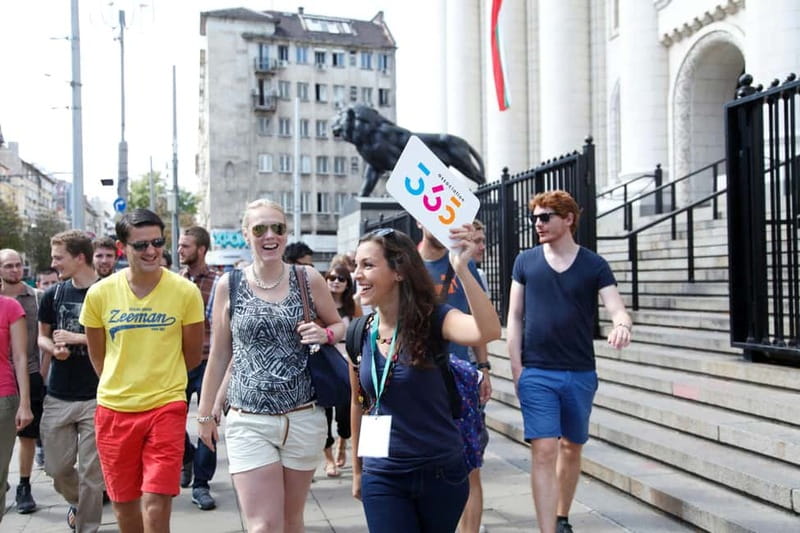
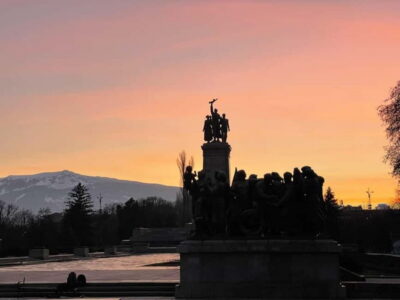
The next section moves into the civic center, with the former Royal Palace, the Presidency, the Bulgarian Parliament, and the Council of Ministers. These buildings show how Sofia’s public identity changed from monarchy to modern government and communist rule.
The former Royal Palace adds a royal chapter to the walk. The Presidency and Parliament then shift the focus toward the state. Rather than seeing these places as isolated façades, you can use the guide’s explanation to follow the political changes that shaped Bulgaria during the twentieth century.
This is one of the strongest reasons to take the tour early in your stay. Sofia’s official buildings can look impressive but confusing without context. The guide helps separate the royal period from the communist era and explains why the city center contains such a dense concentration of public institutions.
The tour is sightseeing only at these buildings. You do not go inside the Parliament, Presidency, Council of Ministers, or other official sites. That is not a fault at this price and duration, but it is important to set the right expectation. You are getting orientation and history, not a government-building access tour.
Mineral springs beside the former Central Bath
A particularly local stop comes near Sofia’s mineral water springs and the former Central Bath. This is the kind of detail I value on a city walk. You are not only looking at grand buildings. You can try the mineral water and connect the city’s public life with a long-standing local habit.
The springs also add a practical moment to the route. Carry water, but do not be surprised if the guide points out a chance to taste the local mineral water along the way. The stop is quick, and it does not replace a café break or meal, since food and drinks are not included.
The former Central Bath provides a visual link between public bathing, urban design, and Sofia’s mineral-water identity. You may not spend long here, but it is a memorable detail that helps the city feel like a real place rather than a list of monuments.
Sofia’s Square of Tolerance
The most thoughtful part of the route may be the Square of Tolerance. In a close area, you see a Catholic church, an Orthodox church, a mosque, and a synagogue. The tour identifies these as the Catholic Cathedral of Sofia, St. Joseph Parish, the Orthodox St. Kyriaki Cathedral Church, the mosque, and the Sofia Synagogue.
This compact group of religious buildings gives the guide a natural way to discuss Sofia’s mix of communities, traditions, and faiths. You do not need a long academic lecture to understand the point. Simply seeing the buildings near one another makes the city’s religious variety clear.
The route ends near St. Kyriaki Cathedral Church and continues toward Vitosha Boulevard. You will also pass the Sofia Synagogue and Catholic Cathedral of Sofia along the way. Since the tour does not have time to enter these buildings, you should return later if one catches your interest.
The Square of Tolerance is a good example of what this tour does best. It gathers several meaningful places into one walk, then lets the guide explain their connection. You leave with a better mental map of Sofia and a few places to revisit at your own speed.
Why the two-hour format works, and where it does not
Two hours is enough to get your bearings fast. You cover the cathedral, churches, theater, Roman rotunda, royal buildings, government center, mineral springs, religious quarter, and the edge of Vitosha Boulevard without spending half your day on one attraction.
The trade-off is depth. The tour includes roughly 20 locations, so most stops are exterior explanations and brief pauses. Apart from St. Alexander Nevsky Cathedral, you should not expect to enter buildings. If you prefer slow photography, long museum visits, or detailed architectural analysis, this will feel rushed.
The pace has generally been described as comfortable and easy-going, which is encouraging. Still, walking routes are personal. Wear comfortable shoes, bring water, and dress for the weather. Smoking is not allowed during the activity. The meeting point includes cathedral steps, and the activity is specifically not suitable for wheelchair users.
Families may appreciate the mix of stories, open-air sights, and manageable duration. The interactive style can keep younger visitors involved, but the amount of history may still be a lot for very small children. For adults, couples, solo visitors, and first-time Sofia visitors, the route offers a useful first look without demanding a full day.
Is $18 a fair price for Sofia?
At $18 per person, I consider this good value if you want a guide’s explanation rather than just a map and a photo checklist. The price includes a professional local English-speaking guide, and the route covers a large share of central Sofia’s headline sights.
The value is strongest for a short visit. If you have only one or two days, a guided overview helps you decide where to return. You can note the Roman rotunda, the synagogue, the cathedral, the mineral springs, or the theater for a longer visit later.
The price is less compelling if you already know central Sofia well or want interior access to several buildings. Food and drinks are not included, and the tour does not provide extended visits inside the churches or official buildings. I would treat it as an orientation walk, not a complete cultural program.
The feedback score is 4.7 from 19 ratings, with repeated praise for Nikola’s enthusiasm, English, humor, and ability to make the history easy to follow. The strongest pattern is not one spectacular attraction. It is the guide’s manner: friendly, clear, flexible, and engaged. That matters on a fast city tour because a good guide can make a short explanation stick.
Where the walk leaves you
The finish near Sofia City Court is close to the beginning of Vitosha Boulevard, the city’s main pedestrian street. This is one of the tour’s best practical features. You can continue on foot, look for lunch, or use the location as a starting point for more central sightseeing.
You should think of the ending as a handoff rather than a final attraction. The guide has taken you across Sofia’s historic core, and now you can choose your next move. Restaurants are nearby, and Vitosha Boulevard gives you a simple route into the rest of the city center.
Because no meal is included, plan your food stop after the tour. The timing may also make this a useful morning activity before lunch, depending on the available starting time.
Who should book this walking tour?
I would book this tour if you are visiting Sofia for the first time, have limited time, or want a clear introduction before exploring alone. It is also a good match if you enjoy history presented through stories and city streets rather than long museum talks.
Families can benefit from the short duration and interactive approach. The route also suits anyone who wants to understand the city’s religious mix and political past in one outing. Nikola’s warm, conversational style appears especially useful for people who like to ask questions and receive local suggestions.
I would choose another option if you need step-free access, want to tour several interiors, or prefer a slow and highly detailed visit to each landmark. You should also avoid expecting a food tour or a dedicated Roman archaeology experience.
Final verdict: a smart first walk in Sofia
This is a well-priced introduction to Sofia with an unusually broad historical range. In two hours, you move from a monumental Orthodox cathedral to Roman remains, a royal palace, communist-era government buildings, mineral springs, and the Square of Tolerance.
The tour’s real strength is its guide-led connection between those places. If Nikola is leading your departure, you can expect an enthusiastic English-speaking guide who adds humor, answers questions, and offers useful ideas for the rest of your visit. Book it early in your Sofia stay if you want help choosing what to see next. Skip it only if interior access, wheelchair suitability, or a slower pace is essential.
FAQ
How long is the Sofia City Highlights Sightseeing Walking Tour?
The tour lasts two hours.
How much does the tour cost?
The price is $18 per person.
What language is the tour conducted in?
The tour is conducted in English with a live local guide.
Where do I meet the guide?
Meet the guide on the stairs directly in front of the central entrance of St. Alexander Nevsky Cathedral.
Can I enter St. Alexander Nevsky Cathedral?
Yes. Entering St. Alexander Nevsky Cathedral is included, and the guide explains its history.
Do I enter the other churches and buildings?
No. The tour only has time to enter St. Alexander Nevsky Cathedral. The other landmarks are visited from the outside.
Where does the tour end?
The tour ends near Sofia City Court, close to the start of Vitosha Boulevard.
Is food included?
No. Food and drinks are not included, but restaurants are located near the ending point.
What should I bring?
Bring comfortable shoes, water, and clothing suitable for the weather.
Is the tour suitable for wheelchair users?
No. The activity is listed as not suitable for wheelchair users.
Recently added around Sofia
- Veliko Tarnovo & Arbanasi Full day tour★ 5.0 · 5 reviews
- Private Winter Day Trip to the Rila Mountain★ 4.5 · 3 reviews
- Private transfer from Sofia to Plovdiv or vice versa★ 5.0 · 8 reviews
- Zemen Monastery, Boyana Church and National History Museum Tour★ 5.0 · 2 reviews
- Sofia Hidden Gems: Small-Group Walking Tour with Tram Ride★ 5.0 · 7 reviews
- Tour to Koprivshtitsa and the Buzludzha monument incl the Seuthes Thracian Tomb★ 3.5 · 3 reviews
- Catacomb Tour in Sofia guided by a Local★ 4.5 · 3 reviews
- From Sofia: The gorges of Trun and Dragovski stone trail★ 5.0 · 6 reviews
Walking Tours, compared.
City Monuments Guided Walking Tour with Audio Guide
Read our review →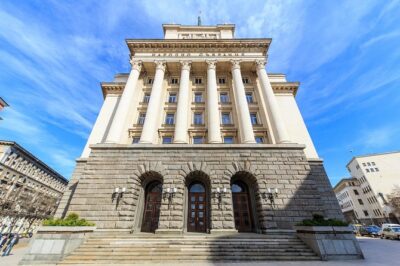
Sofia Highlights 2 Hour Sightseeing Walking Tour
Read our review →
Seven Rila Lakes Snowshoe Walk & Thermal Spring Pools
Read our review →Browse the lists this tour appears in