
Review · ROSE VALLEY TRIPS
Picking Roses Workshop & Extracting Rose Oil in the Rose Valley
Roses make Bulgaria work for breakfast. This three-hour experience brings you into the Rose Valley near Plovdiv for a hands-on morning of picking Kazanlak roses, tasting rose sweet and liqueur, and seeing how a small distillery turns petals into oil. I like the local focus, and I like that you do more than take photographs: you join the ritual, visit an old house, and make soap.
The main drawback is practical rather than cultural: transportation is not included, and the exact program may use Karlovo, Damascena near Kazanlak, or both. The rose harvest also depends on the season and weather, so the program can change. Still, for a private group that wants something personal and distinctly Bulgarian, this is a strong half-day choice.
In This Review
- Five useful things to know before you go
- Why Bulgaria’s Rose Valley matters
- Starting in Karlovo at 9:00 am
- Picking roses in traditional dress
- Rose sweet, gulovitsa, and rose liqueur
- Learning the old-house distilling process
- Seeing soap made at a Bulgarian rose factory
- Karlovo Old Town and Damascena near Kazanlak
- What the private format adds
- Is the value right for you?
- Weather, timing, and practical planning
- Who should book this rose workshop?
- Should you book it?
- FAQ
- How long does the rose workshop last?
- Where does the activity start?
- Is transportation included?
- Is rose picking available all year?
- What food and drinks are included?
- Is this a private tour?
- What happens if the weather is poor?
Five useful things to know before you go
- The rose-picking ritual is seasonal: You can take part in the traditional picking only when the roses are ready.
- You wear folk costume for the harvest: This gives the activity a ceremonial feel, not just a quick stop in a field.
- The tastings are part of the experience: Rose sweet, gulovitsa, and rose liqueur are included.
- You see the oil-making process: A mini distillery demonstrates how rose oil and rose water are produced.
- The tour is private: Only your group participates, which makes the workshop easier to enjoy at your own pace.
- You start in Karlovo at 9:00 am: Plan your own way to the meeting point because transport is not included.
Why Bulgaria’s Rose Valley matters
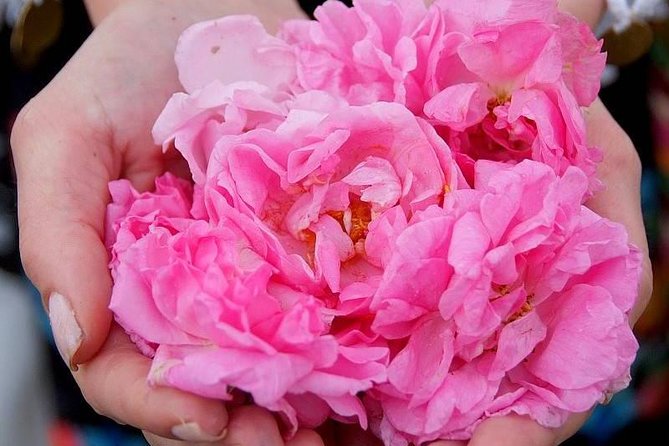
The oil-bearing Kazanlak rose is central to this experience. It is the flower traditionally grown in this part of Bulgaria and has long been connected with local work, family customs, and small-scale production.
You are not simply being shown a bottle of rose oil in a shop. You get to see the flower in the field, handle it during the picking ritual, and follow it through the early stages of production. That sequence gives the visit its value.
The best part is the connection between ordinary work and celebration. Local rose-pickers wear traditional folk costumes, and the picking becomes a shared custom rather than a routine agricultural task. You get a glimpse of how a regional product becomes part of food, cosmetics, hospitality, and community life.
The timing matters. Roses are harvested during a short period, and the operator may alter the schedule because the flowers mature at different times in the region. If the picking season is important to you, confirm the date and exact locations before you travel to Karlovo.
More Rose Valley Trips in Bulgaria:
- From Sofia: The Rose Valley & Buzludzha Monument Day Tour
★ 4.8 · 77 reviews - From Sofia: The Rose Valley & Koprivshtitsa 12 hrs Day Tour
★ 4.7 · 39 reviews - From Sofia: Valley of the Thracian Kings: Hidden Treasures
★ 4.7 · 36 reviews
Starting in Karlovo at 9:00 am
The tour begins in Karlovo at 9:00 am and ends back at the meeting point. Since you arrange your own transportation, this is the first detail to solve. The activity is not a pickup tour from Plovdiv, despite Plovdiv being listed as the broader location.
That arrangement can work well if Karlovo already fits your route. It is less convenient if you expect a driver from Plovdiv or another Bulgarian city. Ask for the confirmed meeting details and the day’s destination order when you book.
The private format is a real advantage here. Your group does not have to match the pace of a large coach party, and you can ask questions while the local guides explain the customs. The experience is offered in English, with guide services provided at the stops.
Because the complete activity lasts about three hours, it fits neatly into a morning. You still have time afterward for Karlovo Old Town, Kazanlak, or another stop in the region. The short length also means the tour is focused. You should not expect a full-day cultural program with long meals or extended sightseeing.
Picking roses in traditional dress
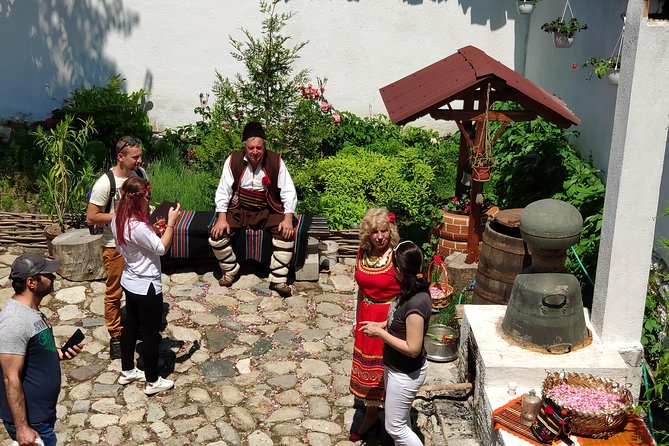
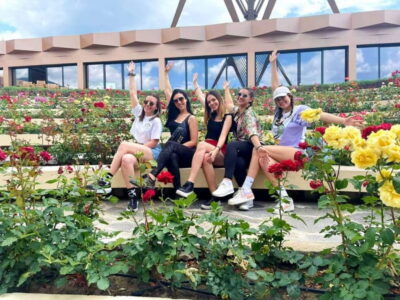
The first major part is the rose-picking ritual in the Valley of Roses. During the correct season, you join local pickers and collect the flowers yourself while dressed in folk costume.
That costume matters because it turns the activity into a cultural presentation as well as a practical task. You are taking part in a custom with a recognizable local style, not simply walking through a field with a guide.
The experience should suit families, couples, and small groups looking for a hands-on activity. It is also a good choice if you prefer local traditions to a standard museum visit. Most people can participate, and service animals are allowed.
Keep your expectations realistic. The ritual is available only during the rose-picking season, and the operator can adjust the schedule when flowering conditions change. Outside the harvest period, you may receive more emphasis on production, tastings, and the factory visit instead.
The activity does not provide transportation, so your own route to the fields matters. Since the exact destination can be Karlovo, Damascena near Kazanlak, or both, the confirmed meeting instructions are important.
Rose sweet, gulovitsa, and rose liqueur
The tasting gives the workshop a pleasant Bulgarian food angle. You try rose sweet, gulovitsa, and rose liqueur as part of the visit.
Rose sweet is the most immediately approachable item, with the flower used in a sugary preparation. Gulovitsa and rose liqueur offer a more unusual taste of the local rose tradition. The point is not a full meal. This is a small dessert-style tasting connected to the crop you have just seen.
I like this part because it shows that roses are not treated only as perfume ingredients. They appear in food and drink as well. You can ask the on-site guide about each item and compare the flavors instead of treating the tasting as a quick sample.
The information does not specify larger meal service, so plan to eat separately if you need breakfast or lunch. The tasting is included, but it should not replace a proper meal.
A few more Bulgaria trips worth comparing
- Private Ski Lesson in Bulgaria
★ 5.0 · 92 reviews - Bulgarian Food tasting, cullinary-historical tour, Cooking class
★ 4.5 · 15 reviews - Bulgaria:Borovets,Private Ski and Snowboard lessons
★ 5.0 · 14 reviews - Private Ski and Snowboard lessons in Bansko Bulgaria
★ 5.0 · 13 reviews
Learning the old-house distilling process
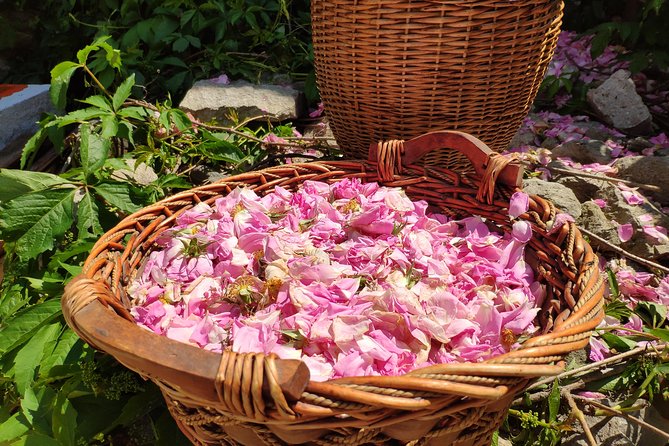
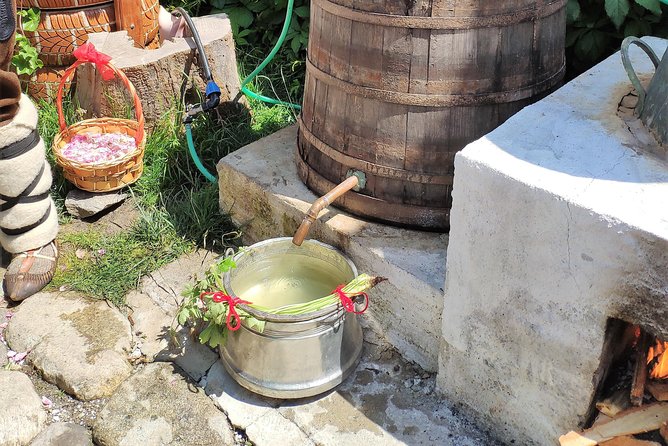
Next comes a visit to an old house where you learn how rose oil is brewed and rose water is extracted. The setting helps connect the process with earlier household methods and local ways of life.
A workshop demonstration uses a mini distillery. You see the basic idea of extracting the valuable oil from the petals, rather than hearing only a general explanation. For many people, this will be the most educational stop because it explains why so many roses are needed for a small amount of oil.
The experience is especially useful if you buy rose products in Bulgaria. After seeing the process, you have a better sense of the difference between rose oil, rose water, soap, sweets, and liqueur. The workshop gives those products a clear source.
You should think of this as a demonstration, not a professional course in distillation. The supplied details promise an explanation and practical workshop element, but not a certificate or advanced training. The short duration also keeps the focus on seeing and understanding the method.
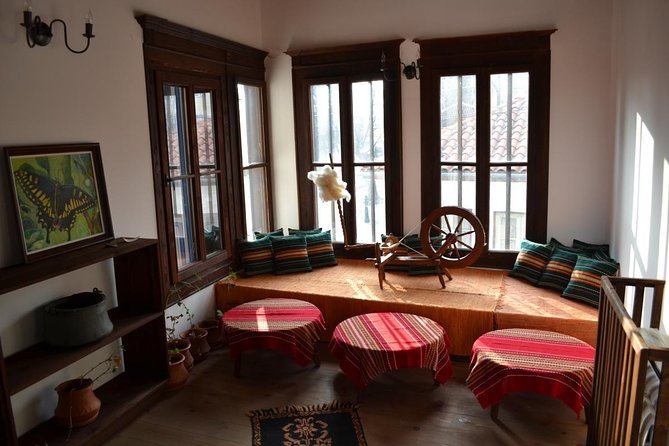
The old house adds a human scale to the visit. Instead of moving directly from field to commercial factory, you see the craft in a setting connected with local life and long-used customs.
Seeing soap made at a Bulgarian rose factory
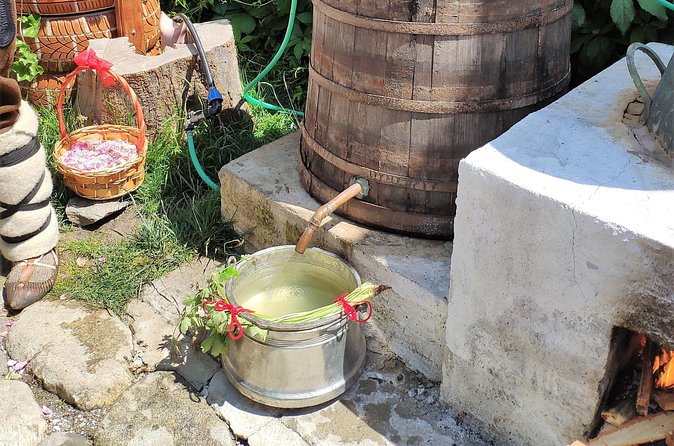
The factory visit brings the rose story into the present. You see a demonstration of rose soap making, with the factory visit dependent on the time of year.
This stop is useful because it shows how the local crop becomes a finished product. Soap is easy to understand, and watching it being made gives you a practical reason to examine the rose items sold in Bulgaria.
There is a small limitation here. The factory visit is not guaranteed in exactly the same form all year, since the program can change with the season. The operator may also confirm a different order between Karlovo and Damascena near Kazanlak.
If shopping is part of your plan, remember that the included service is the demonstration. The provided information does not promise a shopping allowance, specific products, or purchase discounts. You can still use the stop to learn what is made locally and decide for yourself what is worth buying.
Karlovo Old Town and Damascena near Kazanlak
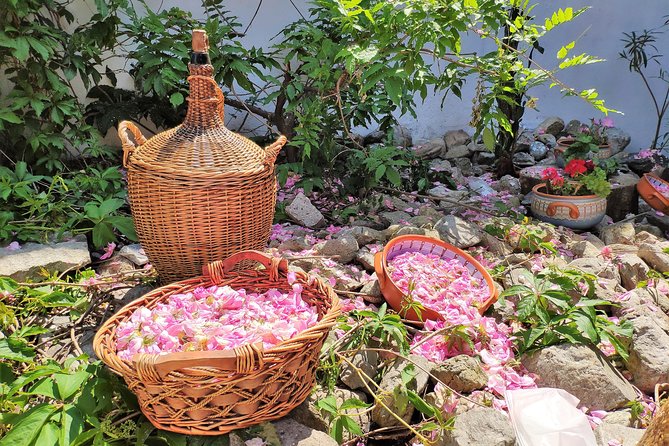
The listed stops include Karlovo Old Town, Damascena Ethnographic Complex, Kazanlak, and the wider Valley of Roses. These names describe the possible cultural setting, but the operator confirms the final order with you.
Karlovo Old Town gives the experience a town-based setting after or around the rural rose work. It is a useful counterpoint to the fields and distillery because you see the local setting beyond the harvest itself.
Damascena near Kazanlak offers another place to connect rose production with ethnographic presentation. The exact balance between Karlovo and Damascena can vary, so you should not assume every group follows the same sequence.
This flexibility is sensible. Flowering times differ, and the most useful rose locations may change during the season. The tradeoff is that you need to remain flexible rather than treating the printed order as fixed.
What the private format adds
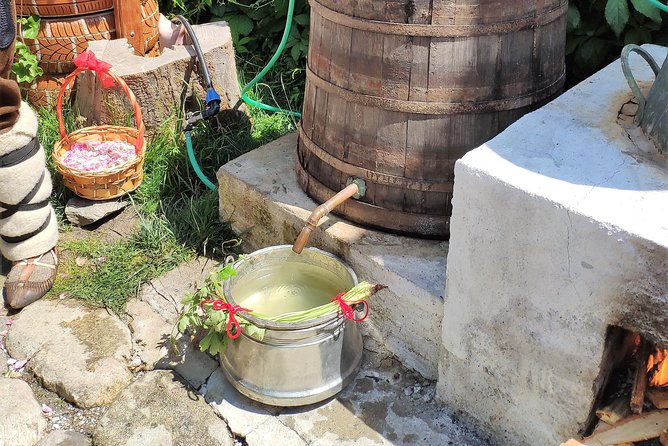
Only your group takes part in this private activity. That is helpful for a family, a couple, or friends who want to ask questions without feeling rushed by strangers.
A private tour can also make the costume ritual and workshop feel less staged. You have more room to pause, taste, and ask about the customs. The on-site guide services are included, and the activity is offered in English.
The experience has received a top rating from a small number of published participants, with particular praise for its local flavor, staff, and guides at the stops. That matches the design of the tour: its appeal comes from personal contact and participation, not from a long list of major attractions.
You should still judge the tour by its narrow focus. If you want famous monuments, a full museum day, or a broad survey of Bulgarian culture, this is not the right choice. If you want one craft and its customs explained from field to product, the private format makes good sense.
Is the value right for you?
A price is not provided here, so I cannot judge the exact cost against similar tours. I can judge what you receive: about three hours, private guide service, seasonal rose picking, tastings, a distilling demonstration, soap making, and access to rose-related cultural sites.
That package has good value when you care about participation. You are paying for access to a local activity and a coordinated explanation, not merely for transportation or sightseeing. The value is strongest during the rose-picking season, when you can join the ritual in costume.
The value is weaker if you mainly want transport from Plovdiv. Since transportation is excluded, you must add your own travel time and cost. You also need to confirm whether the factory visit and the harvest ritual will be available on your date.
For a group, the private arrangement may make the cost easier to justify. You share the experience only with your own party and can keep the morning focused. Ask about group discounts, which are offered, before booking.
Weather, timing, and practical planning
Good weather is required. If poor weather cancels the activity, you are offered a different date or a full refund.
Free cancellation is available if you cancel at least 24 hours before the start time. A cancellation made inside 24 hours is not refunded, and changes inside that period are not accepted. The cutoff uses local time.
The activity is near public transportation, and most people can participate. Service animals are allowed. These points make it broadly accessible, but the provided information does not describe walking distances, terrain, or specific facilities, so ask if your group has mobility needs.
Book early if the rose harvest is your main reason for going. The operator may shift the locations or order as the flowers mature, but no schedule can create a harvest once the season has passed.
Who should book this rose workshop?
I would choose this experience if you want a short, personal encounter with Bulgarian customs. It suits anyone interested in food traditions, crafts, local production, photography, and activities that let you do something rather than simply look.
It is particularly good for a private group already staying near Karlovo or planning to visit Kazanlak. Families may enjoy the costume ritual and soap demonstration, while adults may appreciate the tastings and the explanation of rose oil production.
I would hesitate if you need door-to-door transport, a guaranteed factory visit, or a fixed itinerary. The seasonal program is part of the charm, but it also requires flexibility.
Should you book it?
Book it if the idea of picking roses in folk costume, tasting rose-based treats, and following petals through a mini distillery sounds better than another standard sightseeing stop. The experience offers a close look at a Bulgarian craft, and the private format keeps the morning friendly and focused.
Before paying, confirm the Karlovo meeting point, the final destination order, and whether rose picking and the factory demonstration will operate on your date. If you can handle arranging your own transportation and accept seasonal changes, this is a worthwhile three-hour introduction to the Rose Valley.
FAQ
How long does the rose workshop last?
The experience lasts approximately three hours.
Where does the activity start?
It starts in Karlovo, Bulgaria, at 9:00 am, and ends back at the meeting point.
Is transportation included?
No. You must arrange your own transportation to and from the meeting point.
Is rose picking available all year?
No. The rose-picking ritual is available during the rose-picking season. The operator may change the program because rose maturity varies by region.
What food and drinks are included?
The tasting includes rose sweet, gulovitsa, and rose liqueur.
Is this a private tour?
Yes. Only your group participates in the activity.
What happens if the weather is poor?
The experience requires good weather. If it is canceled because of poor weather, you will be offered another date or a full refund.
Recently added around Bulgaria
- Winter hiking to Musala peak from Sofia★ 5.0 · 2 reviews
- Veliko Turnovo-Bulgarian old capital and Arbanasi★ 5.0 · 3 reviews
- Varna Echoes: Flavors, Footsteps, Tales & Wine tasting★ 5.0 · 3 reviews
- Veliko Tarnovo & Arbanasi Full day tour★ 5.0 · 5 reviews
- UNESCO Thracian Tomb of Kazanlak and Buzludzha monument★ 5.0 · 2 reviews
- Varna: Archaeological Museum Ticket & E-Guide★ 4.8 · 8 reviews
- Monasteries and Waterfalls Tour from Veliko Tarnovo★ 5.0 · 8 reviews
- Wine Experience & Tasting Hub★ 5.0 · 6 reviews
Rose Valley Trips, compared.
Buzludzha Monument and The Rose Valley Day Tour From Sofia 13 hrs
Read our review →
Kazanlak-Rose Valley-Valley of the Thracian Kings – private tour from Plovdiv
Read our review →
Browse the lists this tour appears in