
Review · MUSEUMS
Varna: Archaeological Museum Ticket & E-Guide
Ancient gold is only the beginning. Varna’s Archaeological Museum gives you a clear walk through thousands of years, from the Early Paleolithic Age to the founding of Odessos, the ancient city that became Varna. I like the chronological layout, which lets you follow the region’s development without jumping randomly between eras. I also like the included personalized e-guide, especially if you want more context than a short museum label can provide.
The main caution is language. Some descriptions are only in Bulgarian, and that can make certain objects harder to understand if you do not read the language. The museum building earns praise for its character, but the inner courtyard may feel plain and unattractive. At $22 per person, this is best for visitors who want a serious museum visit rather than a quick stop between beach plans.
In This Review
- Key points before you book
- Why Varna’s Archaeological Museum matters
- Entering the museum at 41 Maria Luisa Boulevard
- A chronological walk from early tools to later societies
- Early Paleolithic evidence
- Bronze and Iron Age discoveries
- Everyday objects and social change
- The Varna gold treasure and the museum’s visual highlights
- Odessos and the making of modern Varna
- How useful is the personalized e-guide?
- The building, pace, and small drawbacks
- Is $22 a fair price?
- Who should book this Varna museum experience?
- Should you book the Varna Archaeological Museum ticket?
- FAQ
- Where is the Archaeological Museum of Varna?
- What does the ticket include?
- Are temporary exhibitions included?
- How long is the ticket valid?
- What languages are available?
- Can I take photos inside the museum?
- Is the museum wheelchair accessible?
Key points before you book
- The famous gold treasure is a major reason to visit: The displays include striking ancient jewelry and other gold objects from the region.
- The collection begins in the Early Paleolithic Age: You can trace human activity across the Bronze Age, Iron Age, and later periods.
- The museum follows a chronological route: The order helps you understand how tools, burial customs, technology, and social life changed over time.
- The e-guide adds useful background: It explains Varna and the surrounding region, while offering facts about objects in the galleries.
- This is a self-guided museum visit: You set your own pace, with no fixed group tour or live commentary required.
- Practical limits matter: Temporary exhibitions cost extra, food and drinks are not allowed, and photography requires payment.
Why Varna’s Archaeological Museum matters
Varna is often treated as a seaside destination, but its story begins long before modern resorts and promenades. The Archaeological Museum gives you a way to see the region as a place where people lived, worked, traded, hunted, worshipped, and buried their dead over a very long period.
The collection reaches back to the Early Paleolithic Age. That means you are not starting with a famous ruler or a polished monument. You begin with the basic evidence of human life: tools, hunting equipment, everyday objects, and remains that show how people adapted to their surroundings.
This approach makes the museum useful even if you do not normally spend hours in archaeological galleries. You can watch simple objects become more specialized as the centuries move forward. The displays help connect technology with daily life. A tool is not just an old object behind glass. It can show how people found food, shaped materials, protected themselves, or organized work.
The collection also covers the Bronze and Iron Ages. These periods bring changes in metalworking, burial practices, weapons, jewelry, and social structure. The museum does not present Varna as an isolated place. Instead, you get a sense of a wider region shaped by long contact among different communities.
More Museum Visits in Varna:
- Self-guided tour in Varna Archaeological Museum + ticket
★ 3.5 · 14 reviews - Admission Ticket to the Museum of Illusions in Sofia
★ 5.0 · 659 reviews - From Sofia: Rila Monastery and Optional Museum, Cave or Spa
★ 4.6 · 270 reviews
Entering the museum at 41 Maria Luisa Boulevard
The museum is at 41 Maria Luisa Boulevard, in central Varna. The stated meeting point is easy to use when planning your day, especially if you are arranging other stops around the city center.
Your ticket is valid for one day, so you are not tied to a short time slot. Check the available starting times when you book, since the experience is described as valid for one day rather than as an open-ended admission at any hour.
The entry includes an express elevator option, which can make arrival easier and faster. The museum is wheelchair accessible, another useful point for anyone checking access before booking.
You receive entry to the permanent exhibition. Temporary exhibitions are not included, so ask at the museum if a special show is running and requires a separate payment. That distinction matters because a $22 ticket may feel like good value for a long visit to the permanent galleries, but less so if you expect every exhibition area to be covered.
The experience is listed for a private group, with a host or greeter available in English, Bulgarian, or Russian. After the initial assistance, you explore on your own with the e-guide. This gives you freedom, but it also means you should not expect a guide to remain beside you and explain every case.
A chronological walk from early tools to later societies
The museum’s greatest strength is its order. The permanent exhibition is arranged by era, so you can move forward through time instead of trying to make sense of unrelated displays from different centuries.
Early Paleolithic evidence
The earliest material gives the visit a firm starting point. You may see the marks of basic human activity before the appearance of more elaborate objects. This section is less about visual glamour and more about scale. It reminds you that Varna’s human story reaches back many thousands of years.
Take time to notice how little is needed to document a major change. A cutting tool, hunting item, or fragment of equipment can tell you about practical skills and survival. The e-guide should help put these objects into a wider setting.
A few more Varna trips worth comparing
- The OFFroad Adventure
★ 4.5 · 151 reviews - Full-Day Small-Group Tour of Bulgaria by Minivan with Lunch
★ 5.0 · 59 reviews - Bulgaria Cycling Day Tours – country & sea
★ 5.0 · 51 reviews - Varna: Guided VIP Tour
★ 4.8 · 42 reviews
Bronze and Iron Age discoveries
As you progress, the objects become more varied and often more visually appealing. Metalwork, weapons, jewelry, and burial goods show a society with more developed skills and clearer differences in status.
I recommend using the e-guide here instead of trying to read every label. Some display descriptions are only in Bulgarian, and even visitors comfortable with museums may lose the thread if they rely only on case text. The electronic guide is especially useful when you want to understand why an object matters, not simply identify what it is.
The Bronze and Iron Age rooms also help explain how archaeological evidence is found. Tombstones, skeletons, equipment, and personal ornaments each offer a different kind of information. A piece of jewelry can suggest taste, wealth, or ritual use. A skeleton can provide evidence about burial customs. A tool can show the work people performed every day.
Everyday objects and social change
The museum does not focus only on impressive treasures. Everyday tools are important because they show how ordinary life changed. You can see the material record of cooking, hunting, craft, trade, and household work across successive periods.
This is where the visit becomes more than a parade of old objects. You start to compare one era with another. What improved? What stayed familiar? Which items were made for use, and which were made to display wealth or honor the dead?
If you are visiting with older children, this section can offer plenty of simple questions. Ask them to identify objects made for work, protection, decoration, or ceremony. The displays give you enough variety to turn the visit into an active search rather than a silent walk past glass cases.
The Varna gold treasure and the museum’s visual highlights
The ancient gold collection is the clearest visual draw. One review of the experience singled out the old gold treasure and beautiful exhibitions as a reason to visit, and that praise makes sense. Gold jewelry and burial objects offer an immediate connection with the people who made and wore them.
The treasure also gives the museum a strong emotional center. Tools require explanation, but gold catches your attention at once. Look closely at the workmanship rather than rushing from case to case. The value is not only in the material. The pieces raise questions about who owned them, why they were buried, and what they reveal about status and ceremony.
You will also find tombstones, jewelry, skeletons, hunting equipment, and surgical tools. That range keeps the visit from becoming repetitive. Surgical instruments, in particular, show that ancient communities dealt with illness and injury using specialized knowledge and equipment.
The museum’s objects are not all beautiful, and that is part of their value. A worn tool or plain burial marker can be more informative than a spectacular ornament. I like that the collection lets you move between human stories at different levels: personal decoration, domestic work, medical practice, hunting, and death rituals.
Photography is not automatically free. You may take photos in the exhibition halls only after paying a photography fee. If you want pictures of the gold or other displays, check the current procedure before taking out your camera.
Odessos and the making of modern Varna
A special focus is placed on the founding of Odessos, the ancient city that became today’s Varna. This section gives the museum a local anchor. Instead of seeing the collection as a series of disconnected ancient eras, you can connect the long regional story to the city outside the doors.
The e-guide should be most valuable here. It can explain how Varna developed and provide information about the objects linked to the city’s early identity. Use it to connect the archaeological evidence with the streets, buildings, and wider area you are seeing during your stay.
I would not rush this part. The creation of a city is a major change in human organization. It affects trade, administration, craft production, public life, and contact with other communities. Even if the displays do not answer every question, they give you a better basis for understanding why Varna became important.
The museum’s broader regional focus is also useful. You are not only learning about one building or one archaeological site. You are following human presence across the surrounding area and across several millennia.
How useful is the personalized e-guide?
The e-guide is included rather than sold as an extra. That improves the value of the ticket, particularly for English-speaking visitors who may find some labels difficult.
You load the guide onto your own device. Bring a charged phone or tablet, and make sure you are comfortable using digital material while walking through galleries. The supplied information says the guide offers historical background and interesting facts about the region and the objects on display.
I like this format for a museum arranged in chronological order. You can read only what interests you and skip sections that feel too technical. A live guide can be excellent, but a self-guided format lets you spend more time with the gold, surgical tools, or burial displays that catch your attention.
There is one limit. An e-guide cannot answer a follow-up question in the moment or point out a detail you missed. If you prefer conversation and interpretation from a person, this will feel quieter and less personal than a guided tour.
The available language information is English, Bulgarian, and Russian. If you need another language, confirm what is provided before booking. German-speaking visitors may find the visit less clear because not every written description is available in German.
The building, pace, and small drawbacks
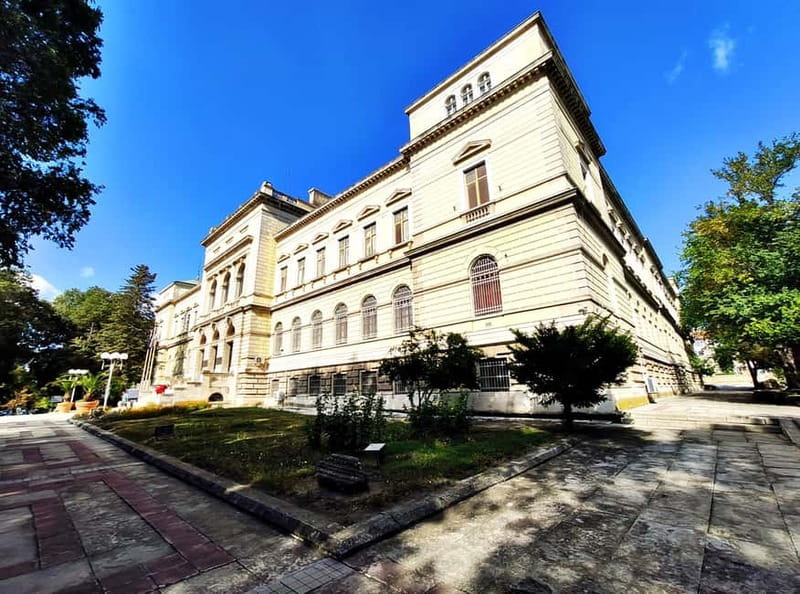
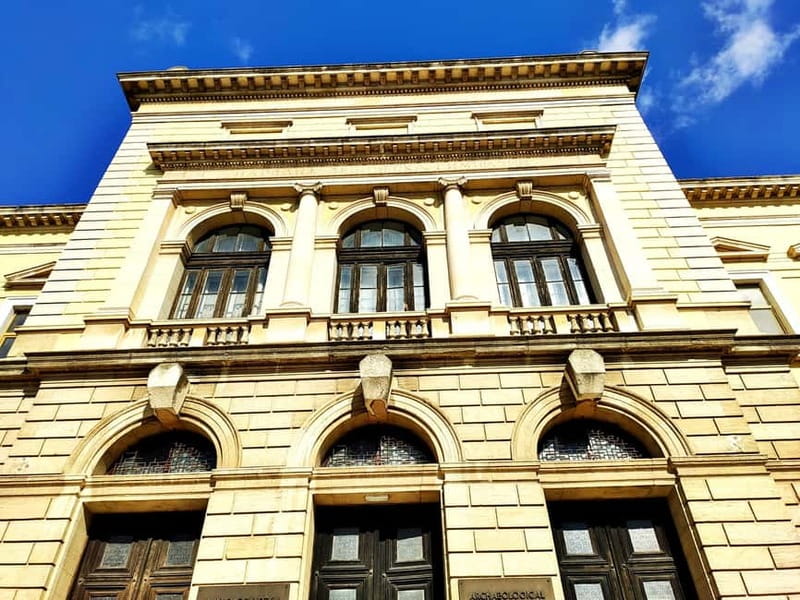
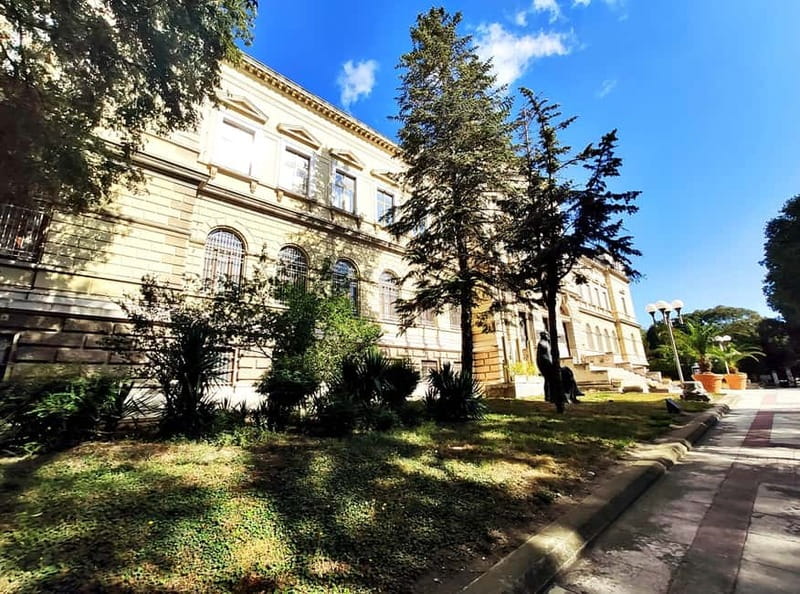
The museum building itself receives positive attention, and its architecture adds something to the visit. You are not entering a bare modern display box. The setting helps give the collection a sense of place.
The inner courtyard is less appealing. It may look plain compared with the galleries, so do not build your expectations around having a beautiful outdoor break inside the museum. The real value is in the exhibition rooms.
Plan enough time to read, compare, and use the e-guide. The ticket is valid for one day, but no fixed visit length is supplied. You can make this a focused cultural stop or give it a larger part of your Varna day.
Pets are not allowed, and food and drinks cannot be taken into the museum. Those rules are simple, but they matter if you are planning a full day with children or moving around the city with a pet.
Is $22 a fair price?
At $22 per person, the ticket is not the cheapest casual museum admission. Its value depends on how seriously you approach the collection.
I think the price is reasonable if you want to see the permanent exhibition, use the e-guide, and spend time with the region’s archaeology. The chronological arrangement and the range of material give you more than a single display of gold. You are paying for access to a long historical sequence, from the earliest tools to the development of Odessos and Varna.
The value is weaker if you only want a quick look at the treasure. In that case, the ticket may feel high for a short visit, especially since temporary exhibitions are not included and photography requires an extra fee.
The high overall rating of 4.8 from eight ratings supports the view that the experience generally delivers what it promises. Still, the smaller number of ratings means you should treat that score as encouraging rather than final proof for every kind of visitor.
Who should book this Varna museum experience?
I would recommend it to anyone interested in archaeology, ancient technology, burial customs, or the development of Varna. It also suits independent visitors who prefer to set their own pace and decide how much detail to read.
Families can make good use of the variety. Children may respond to skeletons, hunting gear, jewelry, and surgical instruments more readily than to long historical text. The e-guide can help you turn the objects into a simple story about how people lived.
This is also a good rainy-day choice in Varna, provided you want a substantial museum visit rather than a quick indoor escape. Visitors who care mainly about contemporary art, short photo stops, or temporary shows should check the ticket details carefully.
The museum is accessible to wheelchair users, and the express elevator may help with movement through the building. The available host languages are English, Bulgarian, and Russian, but the written information is not guaranteed to appear in every language.
Should you book the Varna Archaeological Museum ticket?
Book it if you want context for Varna and have enough time to follow the collection from the Paleolithic Age through the Bronze and Iron Ages to Odessos. The gold treasure, strong chronological layout, and included e-guide make this a worthwhile cultural stop for curious visitors.
Skip it if you only want a fast attraction, need every label in German or another language, or expect temporary exhibitions to be included. For most history-minded visitors, though, $22 buys a useful and flexible introduction to the region, with plenty of objects that make Varna’s distant past feel concrete.
FAQ
Where is the Archaeological Museum of Varna?
The museum is located at 41 Maria Luisa Boulevard, Varna, Bulgaria, postal code 9000.
What does the ticket include?
The ticket includes entry to the permanent exhibition and a personalized e-guide to use on your device.
Are temporary exhibitions included?
No. Temporary exhibitions are not included in this ticket.
How long is the ticket valid?
The ticket is valid for one day. You should check availability for the available starting times when booking.
What languages are available?
The host or greeter and the e-guide information are listed as available in English, Bulgarian, and Russian.
Can I take photos inside the museum?
Yes, but you may take photos in the exhibition halls only after paying a photography fee.
Is the museum wheelchair accessible?
Yes. The experience is listed as wheelchair accessible and includes access through express elevators.
Recently added around Varna
- Varna Echoes: Flavors, Footsteps, Tales & Wine tasting★ 5.0 · 3 reviews
- Varna Vibes Adventure & Wine Tasting★ 5.0 · 3 reviews
- Varna Exquisite Wine Tasting★ 5.0 · 5 reviews
- The Ultimate Private Communist Tour of Varna★ 5.0 · 2 reviews
- UNESCO’s World heritage Old Nessebar – the town of 40 churches★ 5.0 · 2 reviews
- Infinity spa★ 4.5 · 4 reviews
- Full-Day Private Sightseeing Tour to the North of Varna★ 5.0 · 4 reviews
- Private Cape Kaliakra & the Balchik Botanical Gardens from Varna★ 5.0 · 3 reviews
Museums, compared.

Admission Ticket to the Museum of Illusions in Sofia
Read our review →
Rila Monastery and Optional Museum, Cave or Spa
Read our review →
Museum of Socialist Art and Buzludzha Monument Tour
Read our review →
Admission Ticket to Illusions in Museum in Veliko Turnovo
Read our review →
Old Town Guided Walking Tour & Audioguide & Museum
Read our review →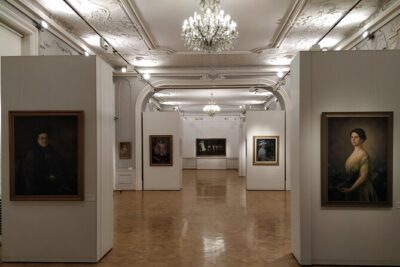

Self-guided tour in Varna Archaeological Museum + ticket
Read our review →Browse the lists this tour appears in