Review · SOFIA TOURS
Sofia: Taste Bulgarian Yogurt Kiselo Mlyako in a Family Home
Yogurt becomes a cultural lesson in Sofia. This 90-minute visit brings you into a local family apartment to taste five kinds of kiselo mlyako, including cow, sheep, buffalo, goat, and homemade village yogurt. I like the small setting, limited to six people, and the chance to compare farm-made yogurt with a supermarket version. I also like that the food comes with family stories, homemade toppings, and a glass of Bulgarian wine or ayran.
The main consideration is the setting. You are visiting a private home, not a restaurant or polished museum, so the experience depends on your comfort with entering a family’s apartment and sharing a table with hosts and other participants. It is also unsuitable for anyone with lactose intolerance, gluten intolerance, or food allergies.
In This Review
- Key points about this Sofia yogurt experience
- Meeting the family near James Bourchier Metro Station
- Why Bulgarian yogurt matters
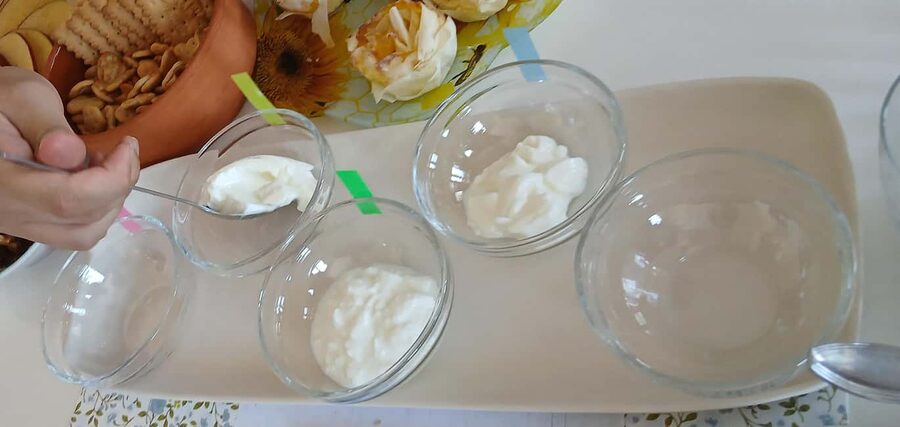
- Comparing cow, sheep, buffalo, and goat yogurt
- Traditional toppings turn yogurt into a full tasting
- A 90-minute visit with room for conversation
- What makes the private-home setting valuable
- Value at $53 per person
- Who should book this experience
- Planning your visit in Sofia
- Should you book the Sofia yogurt tasting?
- FAQ
- Where does the Bulgarian yogurt tasting meet?
- How long does the experience last?
- How many types of yogurt will I taste?
- Is the tasting held in a restaurant?
- What drinks are included?
- Is the activity suitable for people with food allergies?
- Is the experience conducted in English?
Key points about this Sofia yogurt experience
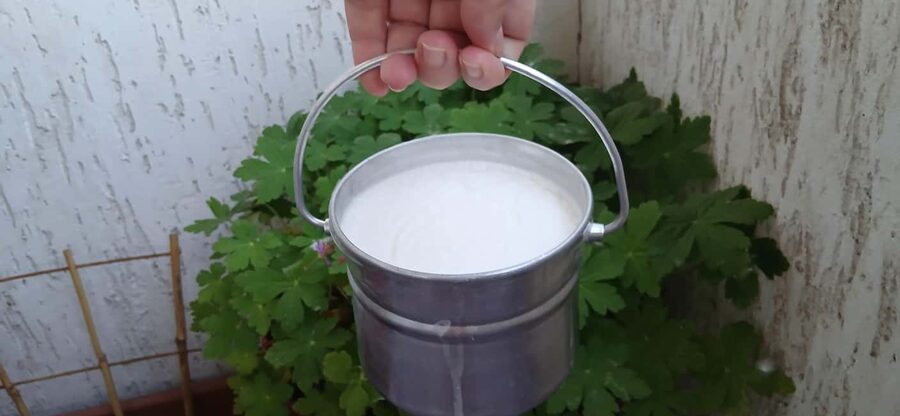
- Five yogurts, four types of milk: Compare cow, sheep, buffalo, goat, and homemade village yogurt in one sitting.
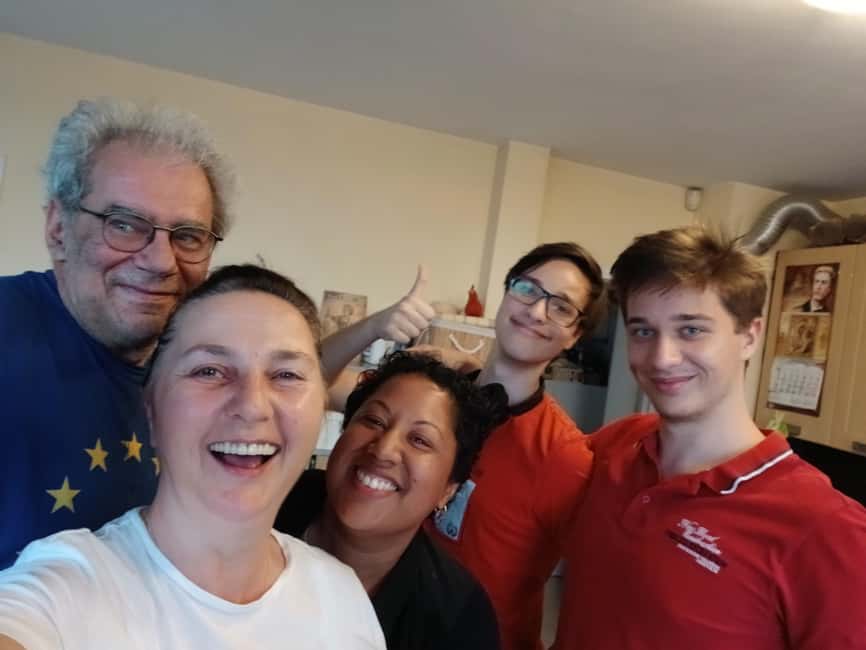
- A real family apartment: The tasting takes place in a Sofia home, often with Nadya and her sons Georgi and Yoan.
- Lactobacillus bulgaricus explained: The hosts connect the yogurt’s flavor and fermentation to Bulgaria’s famous local bacterium.
- More than a dairy tasting: Expect jam, honey, walnuts, fruit, homemade sweets, and sometimes banitsa, tarator, or local cheese.
- Easy metro access: Meet at James Bourchier Metro Station, near Exit 1, three stops from Serdika.
- Best for small-group culture seekers: The six-person limit leaves room for questions and relaxed conversation.
Meeting the family near James Bourchier Metro Station
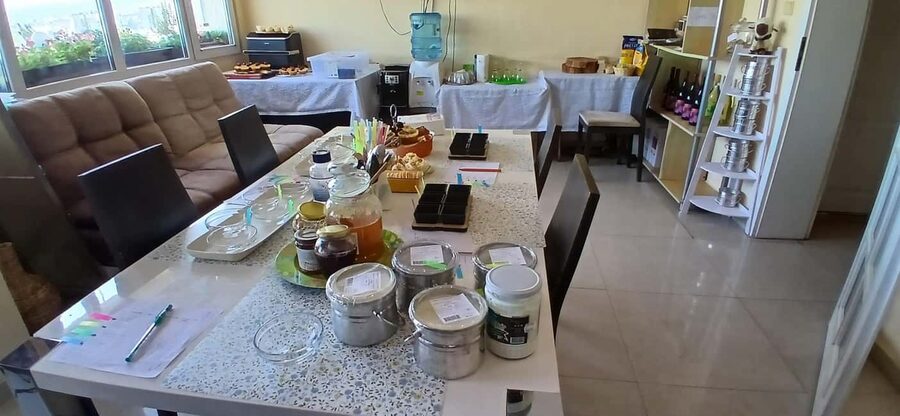
The meeting point is at James Bourchier Metro Station, at the Zlaten Rog Exit 1. It is on Sofia’s blue metro line, three stops from Serdika Metro Station, so reaching it from the city center is straightforward.
You will meet at Cherni Vrah Boulevard 32 in the Lozenets district, near the tram stop used by lines 10 and 15. Your host waits outside about 10 minutes before the start and then guides you to the family home. The location is only a short walk from the metro, which makes this a practical activity after a morning around central Sofia.
I suggest arriving a few minutes early. The address is clear, but the actual experience begins with a host meeting you outside and taking you in. This is not a large tour with a desk, sign, or bus waiting nearby.
The home is in an apartment building, and one account describes the family living on the eighth floor with views over Sofia. The building itself is not part of the sightseeing, but the change from city street to family kitchen is important. Within minutes, you move from public Sofia into a private domestic setting.
A few more Sofia trips worth comparing
- From Sofia: Rila Monastery & Boyana Church Day Tour
★ 4.7 · 5,107 reviews - From Sofia: Must-See Rila Monastery & Boyana Church Day Tour
★ 4.6 · 3,322 reviews - From Sofia: Guided Day Tour of Plovdiv’s Must-See Sights
★ 4.6 · 1,688 reviews
Why Bulgarian yogurt matters
Bulgarian yogurt is called kiselo mlyako, which means sour milk. It is a basic part of Bulgarian food culture, but the tasting gives you a chance to treat it as more than a breakfast item.
Your hosts explain the role of Lactobacillus bulgaricus, the bacterium associated with the distinctive fermentation of Bulgarian yogurt. The conversation covers how yogurt is made, how local conditions are linked to its character, and why the product has become a national symbol.
This is one of the strongest parts of the visit because the explanation is tied to what is in front of you. You do not simply hear a short food fact and move on. You taste several yogurts while considering differences in texture, aroma, sourness, and milk type.
The hosts also connect yogurt with daily life, family customs, Bulgarian roots, and the country’s interest in longevity. The result is a food lesson with a human scale. You learn how a familiar product fits into the life of a modern Sofia family.
Comparing cow, sheep, buffalo, and goat yogurt

The tasting includes five types of yogurt:
- Cow milk yogurt
- Sheep milk yogurt
- Buffalo milk yogurt
- Goat milk yogurt
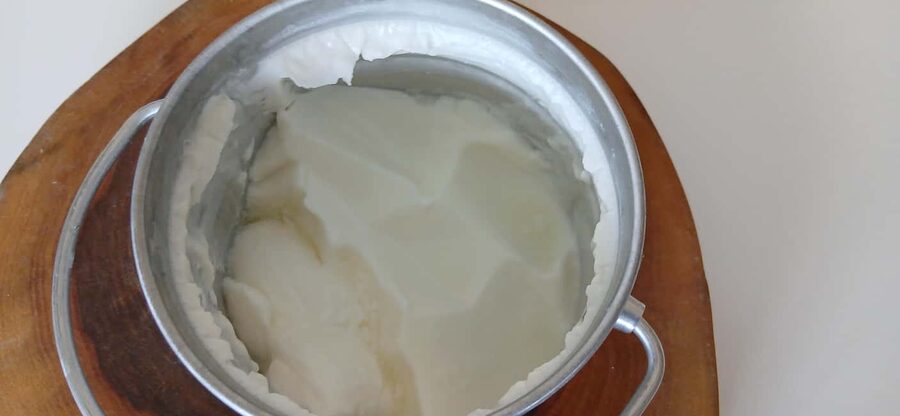
- Homemade village yogurt
A supermarket version is also included for comparison. The exact presentation may vary, but the purpose is clear: you get a baseline before considering what small-farm or homemade yogurt can offer.
The different milks help you pay attention. Cow yogurt may feel familiar, while sheep, buffalo, and goat versions can bring different levels of richness, sharpness, or thickness. I would not book this expecting a dessert flight. Bulgarian yogurt has a sour edge, and the tasting is designed to help you notice that character rather than hide it.
The homemade village sample adds another layer. It represents a family and rural tradition rather than a standardized supermarket product. The point is not that one yogurt is automatically best. You get to compare the products and decide which texture and flavor you prefer.
This makes the experience especially useful if you are curious about food production. You can ask how yogurt is prepared and what separates one type from another. One session included detailed guidance on making yogurt, while another included advice about sourdough preparation. The hosts are open to practical food questions, not just prepared talking points.
Traditional toppings turn yogurt into a full tasting
Plain yogurt is only the starting point. Seasonal toppings can include forest honey, walnuts, fresh fruit, fig jam, local preserves, and other family favorites.
These additions give you a simple way to compare the samples. Honey brings sweetness without covering the yogurt completely. Walnuts add crunch. Jam and fruit make the sharper yogurts easier for anyone who prefers a gentler flavor.
The family also serves homemade sweets and baked items. Specific tastings have included cakes, muffins, cupcakes, and homemade tea or lemonade. Other foods mentioned during the experience include banitsa, a Bulgarian pastry, tarator soup, local cheese, and a yogurt-based cucumber dish with dill and salt.
Not every item is guaranteed at every session, so treat these as possible extras rather than a fixed menu. The included offering does promise traditional seasonal toppings, coffee, fresh water, and either Bulgarian white wine or ayran.
Ayran is a refreshing yogurt drink, and it makes sense here as both a local specialty and a palate cleanser. Bulgarian wine gives the tasting a more social finish. You can choose the drink that fits your mood, though the precise beverage choice may depend on the session.
Elsewhere in Bulgaria, a very different sort of day:
- From Sofia: 7 Rila Lakes and Rila Monastery Extended Trip
★ 4.7 · 1,189 reviews - Sofia: Communist Walking Tour
★ 4.9 · 1,106 reviews - From Sofia: The Seven Rila Lakes Full-Day Hiking Tour
★ 4.7 · 923 reviews - Rila Monastery and Boyana Church Full-Day Tour
★ 4.5 · 918 reviews
A 90-minute visit with room for conversation
The formal tasting takes about 90 minutes, but the visit is not arranged like a fast succession of samples. The small group, limited to six participants, allows the hosts to pause and answer questions.
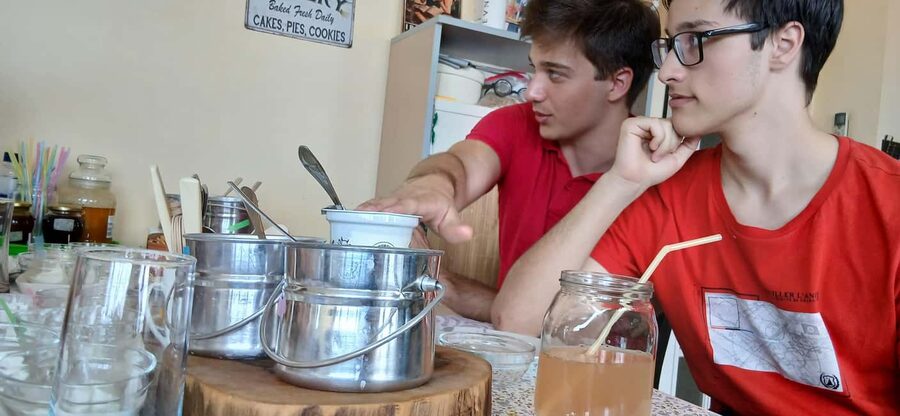
That matters in a private home. You may want to ask about fermentation, family cooking, Bulgarian food habits, or Sofia itself. The family has also shared stories about Bulgarian history, ancient languages, and modern life. Georgi and Yoan have been praised for being engaging conversationalists, while Nadya contributes through her cooking and yogurt-making.
Some sessions have felt like a friendly afternoon at a family table rather than a formal lesson. One family also offered a short walk to a nearby Japanese Garden with black swans, white peacocks, and ducks. That walk is not listed as a standard part of the 90-minute activity, so do not count on it, but it shows how the hosts may add a personal touch when time and circumstances allow.
The calm pace will suit you if you enjoy conversation. It may not suit you if you want a tightly timed sightseeing tour with constant movement. There are no monuments to tick off here. The focus is food, people, and the experience of being welcomed into a home.
What makes the private-home setting valuable
Sofia has plenty of cafés and restaurants where you can order yogurt. This activity offers something different: context from the people preparing and serving it.
You see how the food is presented to family friends. You hear personal explanations instead of relying only on a guidebook. You can ask what the hosts actually eat, how they use yogurt at home, and which toppings make sense together.
That personal setting is also the main reason to think carefully before booking. A private home is more intimate than a restaurant, and you need to respect the household. The experience works best if you are willing to speak with the hosts, try unfamiliar foods, and accept a little flexibility in the flow.
The warmth of the family is a major strength. Nadya has prepared homemade items with care, while her sons have shared food and cultural information in English. The combination of cooking, conversation, and family hospitality gives the activity its character.
Value at $53 per person
At $53 per person, this is not the cheapest way to eat yogurt in Sofia. You are paying for more than five small servings of dairy. The price includes a guided tasting, seasonal toppings, coffee, water, and a glass of Bulgarian white wine or ayran.
You are also paying for a small group and personal hosting. With a maximum of six participants, there is a much better chance to ask questions than in a large food tour. The hosts provide the apartment, the food preparation, and their time.
I think the price is fair if you value local contact and food education. It is less attractive if you only want a quick snack or prefer to choose everything from a menu. The homemade cakes, pastries, soups, cheese, and extra dishes reported in some sessions can add considerable value, but they should be viewed as part of the family welcome rather than guaranteed menu items.
For a first visit to Sofia, this also fills a useful cultural gap. You may see churches, Roman remains, and grand public buildings elsewhere in the city, but this shows how Bulgarian food fits into ordinary domestic life.
Who should book this experience

I would recommend it to food-focused visitors, curious couples, solo visitors who enjoy conversation, and families with older children who are willing to try several dairy products. It is particularly good for anyone who wants a local activity that does not feel like a standard restaurant meal.
You should also enjoy asking questions. The hosts have discussed yogurt preparation, Bulgarian history, ancient languages, sourdough, city life, and traditional food. The more interested you are, the more you are likely to get from the visit.
This is not a good choice for people with lactose intolerance, gluten intolerance, or food allergies. The tasting centers on dairy, and the table can include bread, pastries, cakes, and other ingredients. If you have a dietary concern, this activity is best avoided rather than treated as a food experiment.
It is also not the right fit if you want complete privacy. The group is small, but you may share the table with other participants. Bikes are not allowed.
Planning your visit in Sofia
Allow enough time to reach James Bourchier Station and find Zlaten Rog Exit 1. The metro connection from Serdika is simple, but you still need to meet the host outside the station area and walk to the apartment.
The session is offered at various starting times, so check the available time before building the rest of your day around it. Since the experience lasts 90 minutes, it can fit neatly into an afternoon or evening plan.
The activity is conducted in English. That makes the food and cultural explanations accessible to English-speaking visitors, and it also gives you a chance to have a real conversation rather than just receive a translated menu.
For larger groups, the same provider offers a separate Bulgarian yogurt tasting in the ancient ruins of Serdica for groups of up to 25 or for those who prefer a shorter central-city session. That is a different format. Choose the family-home option if intimacy matters more than a central historic setting.
Should you book the Sofia yogurt tasting?
Book it if you want to understand why yogurt matters in Bulgaria, not simply taste a spoonful of it. The five-milk comparison, homemade toppings, family recipes, and discussion of Lactobacillus bulgaricus make this a useful and enjoyable 90 minutes.
I especially like the balance of tasting and conversation. Nadya’s homemade food and the family’s generous hosting give the visit warmth, while Georgi and Yoan add stories about Bulgarian culture and history. The small group keeps the experience personal.
Skip it if you have dietary restrictions, dislike dairy, or prefer a formal food tour in a public venue. For everyone else, $53 is a reasonable price for a rare chance to sit at a Sofia family table and learn what kiselo mlyako means beyond the label.
FAQ
Where does the Bulgarian yogurt tasting meet?
The meeting point is James Bourchier Metro Station at the Zlaten Rog Exit 1. The address is Cherni Vrah Boulevard 32 in Sofia’s Lozenets district, near tram lines 10 and 15.
How long does the experience last?
The tasting lasts 90 minutes. Starting times vary, so you need to check availability for your chosen date.
How many types of yogurt will I taste?
You will taste five types of kiselo mlyako: cow, sheep, buffalo, goat, and homemade village yogurt.
Is the tasting held in a restaurant?
No. The activity takes place in a private Bulgarian family home.
What drinks are included?
The experience includes coffee, fresh water, and a choice of Bulgarian white wine or ayran.
Is the activity suitable for people with food allergies?
No. It is listed as unsuitable for people with food allergies, gluten intolerance, or lactose intolerance.
Is the experience conducted in English?
Yes. The host or greeter and the activity are provided in English.
Recently added around Sofia
- Veliko Tarnovo & Arbanasi Full day tour★ 5.0 · 5 reviews
- Private Winter Day Trip to the Rila Mountain★ 4.5 · 3 reviews
- Private transfer from Sofia to Plovdiv or vice versa★ 5.0 · 8 reviews
- Zemen Monastery, Boyana Church and National History Museum Tour★ 5.0 · 2 reviews
- Sofia Hidden Gems: Small-Group Walking Tour with Tram Ride★ 5.0 · 7 reviews
- Tour to Koprivshtitsa and the Buzludzha monument incl the Seuthes Thracian Tomb★ 3.5 · 3 reviews
- Catacomb Tour in Sofia guided by a Local★ 4.5 · 3 reviews
- From Sofia: The gorges of Trun and Dragovski stone trail★ 5.0 · 6 reviews
Sofia Tours, compared.
Must-See Rila Monastery & Boyana Church Day Tour
Read our review →

7 Rila Lakes and Rila Monastery Extended Trip
Read our review →