Review · SOFIA TOURS
Secrets, Facts, and Legends of Sofia: Full Day Tour
Sofia reveals itself in layers. This seven-hour tour links Vitosha Mountain and the Bells complex with Roman ruins, museums, churches, and the city’s most important squares. I especially like the high viewpoint, which gives you a useful sense of Sofia’s setting, and the small group size, limited to eight people. The main consideration is pace: with a mountain visit, two museums, lunch, and a long city walk in one day, you will cover a lot of ground.
The tour also earns praise for its guides. Ellian, Meto, Ivan, and Daniel are named in recent bookings, with particular praise for their history knowledge, patience, friendly manner, and clear explanations of Bulgarian culture and Orthodox Christianity. At $94 per person, the price is fair if you want transport, admission fees, and a guide wrapped into one day. It is less appealing if you prefer to explore museums slowly or spend a full morning on the mountain.
In This Review
- Key points at a glance
- Starting at 9:00 AM with a small group
- Vitosha Mountain gives you Sofia’s big picture
- The Bells connects Sofia to the Cold War world
- The National Archaeological Museum puts Sofia’s age on display
- St. George Church and the Roman city of Serdica
- Lunch inside a former medieval mosque
- The Ladies Market and Sofia’s late nineteenth-century story
- The Square of Tolerance shows Sofia’s religious mix
- Sofia History Museum fills in the city’s modern story
- The final walk passes Sofia’s major landmarks
- What $94 includes and what it does not
- Who will get the most from this Sofia day
- Should you book Secrets, Facts, and Legends of Sofia?
- FAQ
- How long does the Sofia tour last?
- What language is the tour conducted in?
- How many people can join the tour?
- Are museum entrance fees included?
- Is lunch included in the price?
- What should I bring?
Key points at a glance
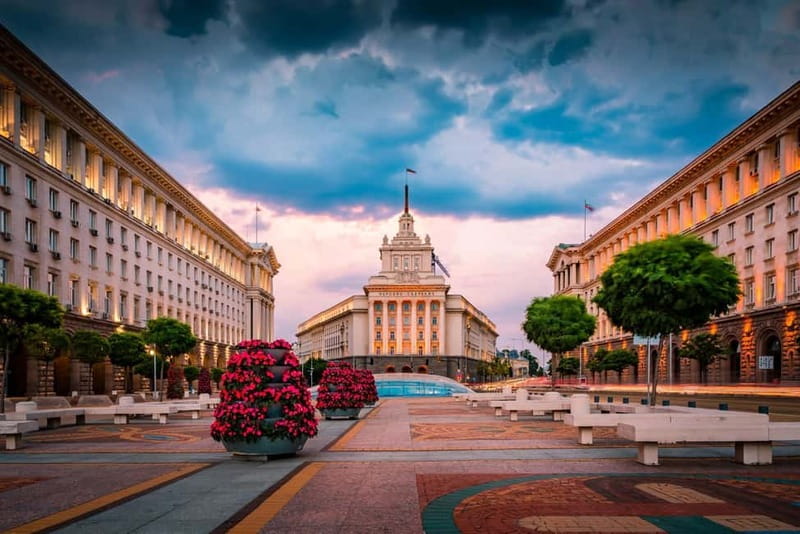
- Sofia from above: Begin at a meteorological tower area on Vitosha Mountain for a broad view of the capital and its surrounding geography.
- The Bells complex: Visit a moving Cold War-era site linked to the 1979 Flag of Peace initiative and children from 135 countries.
- Roman Serdica: See the fourth-century Church of St. George and archaeological remains in the center of modern Sofia.
- Two museums included: Explore the National Archaeological Museum and Sofia History Museum with entrance fees covered.
- The Square of Tolerance: Pass a synagogue, mosque, and Catholic church positioned close together in central Sofia.
- Small-group convenience: Hotel pickup, modern transport, and a group capped at eight make a full day easier to manage.
Starting at 9:00 AM with a small group
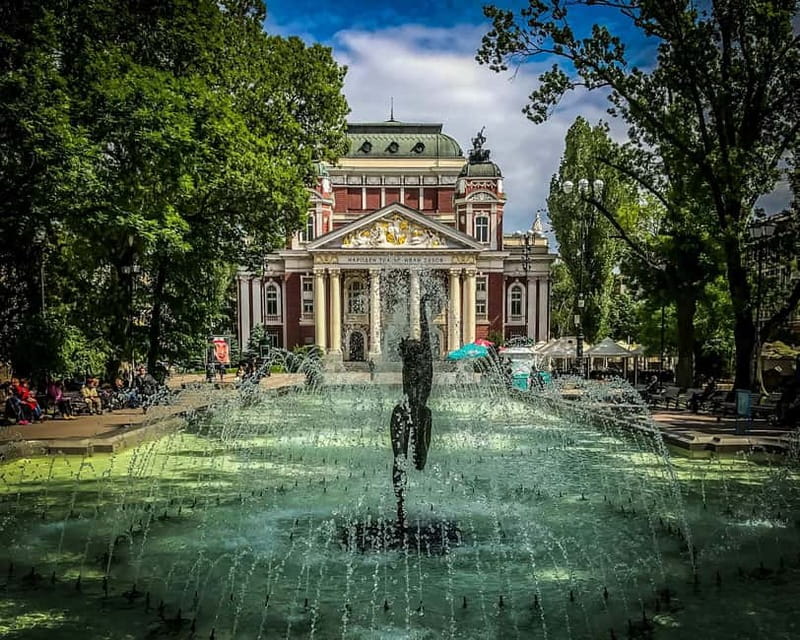
Your guide collects you from your accommodation in Sofia at 9:00 AM. Transport is provided in a modern vehicle, which matters because the day begins outside the center before shifting to a walking route through central Sofia.
A group limit of eight creates a useful middle ground. You avoid the impersonal feel of a large coach, yet you still have company for the day. A smaller group also gives you more room to ask questions, which is important in Sofia, where Roman, medieval, Ottoman, royal, communist, and modern Bulgarian stories often overlap in the same few streets.
The guide is a major part of the experience. Daniel has been praised for explaining not just individual sights but also Orthodox belief, Bulgarian life, and the country’s wider past. Meto has been described as patient and warm, while Ellian has earned praise for adapting the day when the group consisted of only one person. That kind of flexibility can make the experience feel almost private when bookings are light, although the advertised format remains a small-group tour.
Bring a passport or ID card. Food and drinks are not included, so plan to pay for lunch separately.
A few more Sofia trips worth comparing
- From Sofia: The Seven Rila Lakes Full-Day Hiking Tour
★ 4.7 · 923 reviews - Rila Monastery and Boyana Church Full-Day Tour
★ 4.5 · 918 reviews - From Sofia: Full-Day Tour to Rila Monastery with Options
★ 4.5 · 479 reviews
Vitosha Mountain gives you Sofia’s big picture
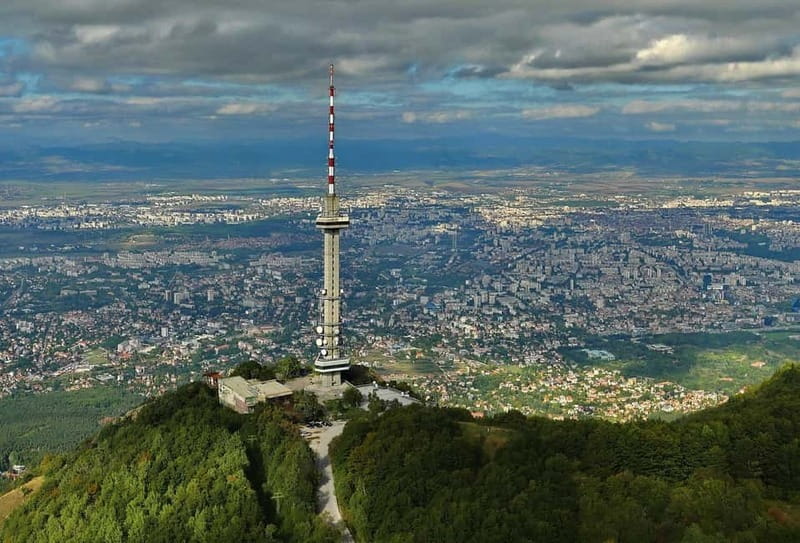
After the short drive, you head toward Vitosha Mountain. The destination is the area around a meteorological tower, where you can look across Sofia from above.
This is a smart way to begin. Sofia is a large city with a compact historic center, broad outer districts, and mountains close by. From the viewpoint, your guide can explain the city’s geography before you start walking through its streets. The view gives meaning to the rest of the day: you see where the center sits, how the city spreads outward, and why Vitosha is such a constant part of Sofia’s identity.
The stop is not described as a mountain hike. You are visiting a viewpoint near the tower, so do not book this expecting a full day in nature or a long trail. The mountain section is about orientation and scenery rather than strenuous activity.
Weather can affect the quality of the view, though no specific weather arrangements are provided. I would still keep a light layer handy, since the mountain may feel different from the city. The information supplied does not promise a particular amount of time at the viewpoint, so treat it as one part of a broad city tour rather than a dedicated Vitosha excursion.
The Bells connects Sofia to the Cold War world
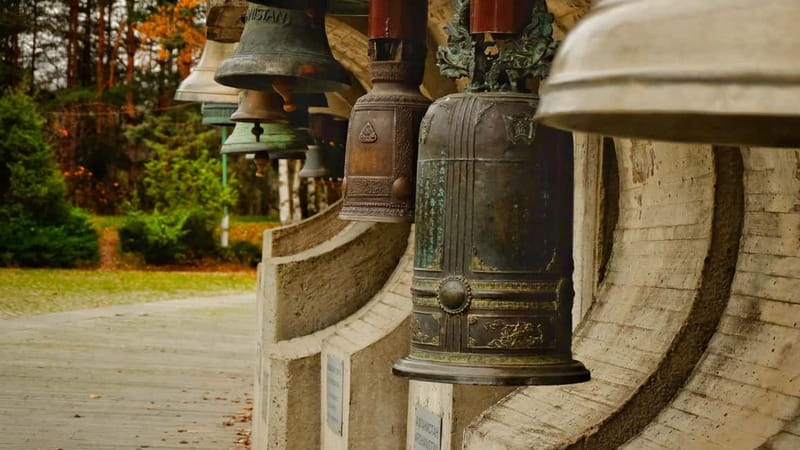
The next stop is The Bells, one of the most unusual places on the itinerary. This complex is tied to the Flag of Peace initiative, begun in Bulgaria in 1979. Children from 135 countries, including nations from both sides of the Iron Curtain, took part, with each group placing a distinctive bell at the site.
The idea gives the visit weight. These are not simply decorative bells gathered in a park. The complex reflects an attempt to bring young people together during a period when political divisions separated much of Europe and the wider world. Your guide can place the site within Bulgaria’s communist-era setting and explain why it mattered.
I like this stop because it reaches beyond the standard Sofia checklist. You will not find the usual cathedral-and-ruins sequence here. Instead, you get a piece of recent Bulgarian history that can be hard to understand from city-center monuments alone.
The exact presentation depends on your guide and the time available. The complex is an outdoor stop, and the tour does not describe a long formal program there. Think of it as a thoughtful visit with context, not a museum-style exhibition. If you are interested in politics, social history, or less familiar places, this will likely be one of the day’s strongest moments.
The National Archaeological Museum puts Sofia’s age on display
After returning to the city center, the walking portion begins at the National Archaeological Museum. Entrance is included, and the museum gives you a concentrated look at the cultures that shaped Bulgaria before and during the Roman period.
This stop helps explain why Sofia is not simply a modern capital with a few old buildings attached. The city has connections to ancient settlements and the Roman city of Serdica, while the museum holds cultural objects that place those remains in a broader setting.
A guide adds value here by selecting the important pieces and explaining what you are seeing. Without context, archaeology museums can become a parade of dates and objects. With a good explanation, a small artifact can tell you more about power, belief, trade, and daily life than a grand building does.
The tradeoff is time. The day includes another museum later, as well as several churches, squares, and outdoor sites. You should expect an organized overview rather than unlimited time in every gallery. If museums are your main reason for visiting Sofia, you may want to return independently for a slower look.
One point needs careful wording: the supplied itinerary names the National Archaeological Museum, while one short booking comment refers to a National History Museum. For planning purposes, expect the National Archaeological Museum listed in the tour details.
Elsewhere in Bulgaria, a very different sort of day:
- From Sofia: Rila Monastery & Boyana Church Day Tour
★ 4.7 · 5,107 reviews - From Sofia: Must-See Rila Monastery & Boyana Church Day Tour
★ 4.6 · 3,322 reviews - From Sofia: Guided Day Tour of Plovdiv’s Must-See Sights
★ 4.6 · 1,688 reviews - From Sofia: 7 Rila Lakes and Rila Monastery Extended Trip
★ 4.7 · 1,189 reviews
St. George Church and the Roman city of Serdica
On the way through the center, you see the Church of St. George, described as Sofia’s oldest building. It is an early Christian church dating to the fourth century, set among the remains of Roman Serdica.
This is classic Sofia: one period sits directly beside another. Modern streets, Roman ruins, and a fourth-century church share the same urban space. The remains of Serdica are especially useful for understanding how the city developed, since Sofia’s present-day center partly follows the footprint of the ancient settlement.
The church itself is a powerful stop because its age is easy to miss if you rush past it. It does not need a grand setting to matter. Its importance comes from its early Christian date and its survival through major changes in the city.
Your guide’s explanation is crucial here. The Roman remains can look like scattered stonework until someone shows you how they fit together. You will get more from this part of the route if you pause to look down, around, and beyond the obvious monument. Sofia rewards that habit.
Lunch inside a former medieval mosque
After the National Archaeological Museum, you can have lunch at a restaurant in the same building. The building was once a medieval mosque, and archaeological remains are visible beside the dining area.
That is a memorable setting for a meal. Rather than stepping away from the day’s theme, you continue eating among the physical remains of Sofia’s past. It also gives you a practical break after the first museum and mountain drive.
Food and drinks are not included in the $94 price, so lunch is an additional expense. The itinerary says you can have lunch there, but it does not provide a fixed menu, meal duration, or price. If you have dietary needs or a strict budget, ask the guide what options are available when you arrive.
This stop may be one of the day’s more relaxed moments, but do not expect a long restaurant experience. The schedule still has the Ladies Market, Sofia History Museum, and a final walk to Alexander Nevsky Cathedral.
The Ladies Market and Sofia’s late nineteenth-century story
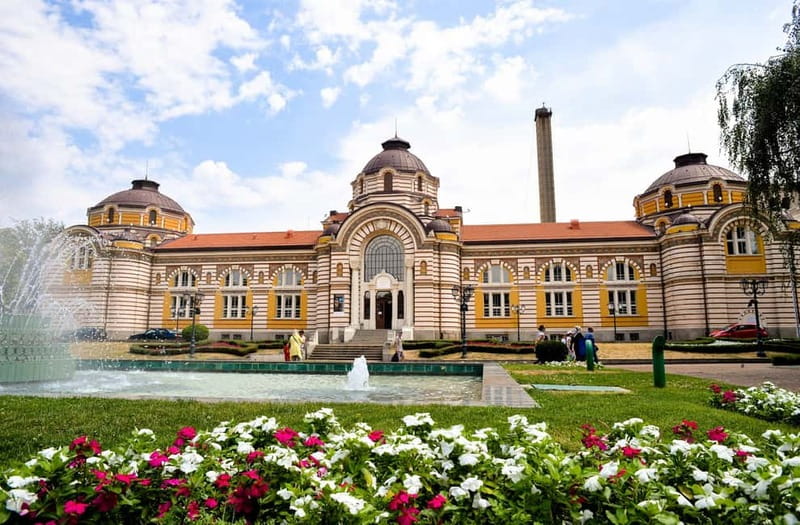
The route continues to Sofia’s market area, known as the Ladies Market. Here the guide explains the city during the late nineteenth and early twentieth centuries.
This section changes the tone of the day. Museums and ancient ruins deal in official stories, while a market area brings attention to ordinary commerce and city life. You get a sense of how Sofia developed after the Ottoman period and how its streets served residents, traders, and newcomers.
The itinerary does not promise a food tasting or shopping stop, so do not assume that market purchases are part of the experience. The value is mainly in the setting and the explanation. You pass through a part of Sofia that helps connect monuments to everyday life.
The name itself gives your guide an opening to discuss the area’s past. Listen for the social details, since these often make the period easier to picture than a list of political dates. The tour is strongest when the guide links a place to the people who used it.
The Square of Tolerance shows Sofia’s religious mix
Near the market, you pass a synagogue located almost opposite an active mosque and close to a Catholic church. This gives the square its name, The Square of Tolerance.
The arrangement is one of the clearest examples of Sofia’s layered religious life. Within a small area, you can see Jewish, Muslim, and Catholic places of worship, while the broader city also includes important Orthodox churches. It is a compact lesson in how different communities have shaped the capital.
This stop is viewed from the walking route rather than presented as a promise of interior visits. The itinerary does not say that you enter each religious building, so plan to admire the exteriors and hear the guide’s explanation from the street.
That limitation is worth noting, but it does not weaken the stop. The physical closeness of the buildings is the point. You can understand the idea in a few minutes, and the location works well as part of a walk through the city’s changing neighborhoods.
Sofia History Museum fills in the city’s modern story
The Sofia History Museum is the second museum admission included in the day. After the archaeological collections and Roman remains, this museum shifts the focus toward the capital itself.
The museum helps explain Sofia as a city, not only as an ancient site. Your guide can connect its exhibits to the places you have already seen, including the market area, religious buildings, administrative center, and major churches.
Two museums in one day offer good value for a first visit, especially when entrance fees are included. They also give the itinerary balance: one museum looks broadly at Bulgaria’s archaeology, while the other focuses more directly on Sofia.
The drawback is the same as before. You will not have unlimited time. If you prefer to read every label or study each display, the schedule may feel brisk. I would focus on the sections your guide highlights, then return on your own if the museum leaves you wanting more.
The final walk passes Sofia’s major landmarks
The last part of the tour takes you past several central sights: the communist administrative center, St. Sofia Church, Sofia University, and Alexander Nevsky Cathedral.
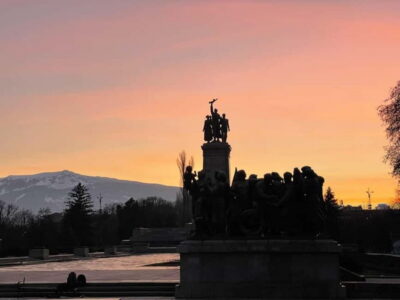
The communist administrative center adds another period to the day’s sequence. After Roman ruins, medieval religious buildings, and the market’s later history, you see the architectural and political legacy of twentieth-century Bulgaria.
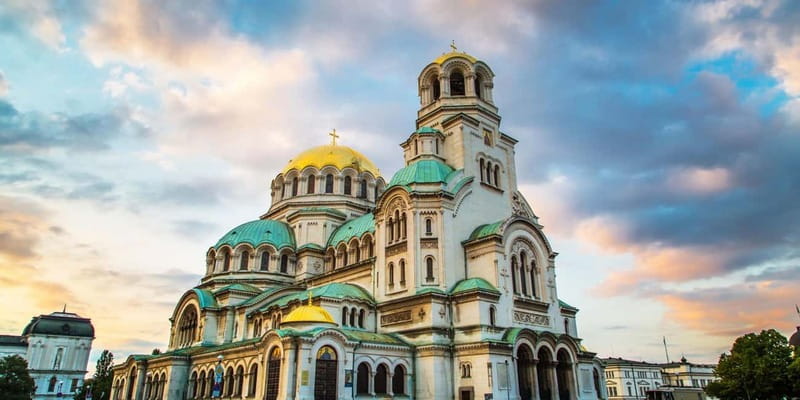
St. Sofia Church gives the route another important religious landmark. The tour then continues by Sofia University before ending at Alexander Nevsky Cathedral, one of the city’s defining sights.
Alexander Nevsky is a fitting finish because it is both a major monument and a natural place to pause. The tour ends there, giving you a clear central location from which to continue exploring Sofia. You can ask final questions, and if your accommodation is far from the center, the guide may provide a ride back.
That return ride is not presented as an automatic promise for every booking, so clarify it with your guide. Hotel pickup at the beginning is included, and the stated service includes hotel drop-off, but the final arrangement may depend on where you are staying and how the day ends.
What $94 includes and what it does not
The $94 price includes:
- Hotel or accommodation pickup and drop-off
- Transport in a modern vehicle
- Professional English-speaking guide
- Entrance fees for both museums
- A seven-hour itinerary
- Small-group service for up to eight people
Food and drinks are extra. That matters because the day crosses several parts of Sofia and includes a lunch stop, but you are responsible for the meal cost.
I consider the price reasonable for someone who wants a structured first look at Sofia. You are paying not only for admission but also for the mountain transport, the Bell complex, local explanations, and the time saved arranging several separate visits.
The value drops if you already know Sofia well and prefer to visit each museum at your own speed. It also may not suit someone who wants a relaxed mountain day, since Vitosha is only one part of a much wider program.
Who will get the most from this Sofia day
I would recommend this tour most strongly to first-time visitors with one or two full days in Sofia. It quickly gives you the city’s basic framework, from geography and ancient Serdica to religious diversity, communist-era buildings, and modern urban life.
It also suits people who prefer a local guide to explain complicated subjects. Bulgarian history can be difficult to follow without context, especially when Roman, Ottoman, communist, and Orthodox stories appear close together. Guides such as Daniel, Meto, Ivan, and Ellian have been praised for making those subjects clear and personal.
The tour works well for solo visitors too. A booking can become nearly private when nobody else joins, while the normal limit of eight keeps the setting personal.
I would be more cautious if you have limited walking ability, though the supplied details do not describe the walking distance or accessibility arrangements. Ask before booking if you need specific support. You should also be ready for a full day with several transitions and a museum schedule that may feel brisk.
Free cancellation up to 24 hours before the start and reserve-now, pay-later booking make it easier to fit the tour into a changing Sofia itinerary.
Should you book Secrets, Facts, and Legends of Sofia?
Book it if you want broad coverage in one well-organized day, especially with hotel pickup and museum admission included. The Vitosha view and The Bells add places you might not reach on a standard central walking tour, while Serdica, the museums, The Square of Tolerance, and Alexander Nevsky Cathedral cover Sofia’s essential themes.
Skip it if your priority is slow museum study, a long Vitosha outing, or complete control over your schedule. For most first visits, though, $94 is a sensible price for the range of sights, transport, and guide time. Bring identification, budget separately for lunch, wear comfortable shoes, and ask plenty of questions. The best part of this day is not simply seeing Sofia, but learning how its very different eras occupy the same city.
FAQ
How long does the Sofia tour last?
The tour lasts seven hours, beginning with pickup at 9:00 AM from your accommodation in Sofia.
What language is the tour conducted in?
The tour includes a live English-speaking guide.
How many people can join the tour?
It is a small-group tour limited to eight participants. Depending on bookings, it may sometimes operate as a private experience.
Are museum entrance fees included?
Yes. Entrance fees for the National Archaeological Museum and Sofia History Museum are included.
Is lunch included in the price?
No. Food and drinks are not included. You can have lunch at a restaurant in the same building as the National Archaeological Museum, but you pay separately.
What should I bring?
Bring a passport or ID card. You should also allow for a full day that combines vehicle transport, museum visits, and walking through central Sofia.
Recently added around Sofia
- Veliko Tarnovo & Arbanasi Full day tour★ 5.0 · 5 reviews
- Private Winter Day Trip to the Rila Mountain★ 4.5 · 3 reviews
- Sofia Hidden Gems: Small-Group Walking Tour with Tram Ride★ 5.0 · 7 reviews
- Private transfer from Sofia to Plovdiv or vice versa★ 5.0 · 8 reviews
- Zemen Monastery, Boyana Church and National History Museum Tour★ 5.0 · 2 reviews
- Catacomb Tour in Sofia guided by a Local★ 4.5 · 3 reviews
- Tour to Koprivshtitsa and the Buzludzha monument incl the Seuthes Thracian Tomb★ 3.5 · 3 reviews
- From Sofia: The gorges of Trun and Dragovski stone trail★ 5.0 · 6 reviews
Sofia Tours, compared.
Must-See Rila Monastery & Boyana Church Day Tour
Read our review →
7 Rila Lakes and Rila Monastery Extended Trip
Read our review →