
Review · RILA LAKES & MOUNTAIN HIKES
3 Days Best of Plovdiv and the magic of the Rhodope mountain
Three days, three very different Bulgarias. This small-group journey links Plovdiv’s Roman and Ottoman sights with the Rhodope Mountains, where you hike to Eagle’s Eye, visit Devil’s Throat Cave, see the Marvelous Bridges, and eat traditional food in mountain villages. I like the sensible mix of guided sightseeing and open countryside, and I especially like that pickup is available from hotels and airports in Sofia or Plovdiv.
The main concern is the pace. Long drives and moderate hikes fill the second and third days, while July heat can make Plovdiv uncomfortable. The tour is conducted in English, so you should feel comfortable following historical explanations and practical instructions in that language.
In This Review
- Key points before you book
- Why this route works for a short Bulgaria visit
- Day one: Roman ruins and Plovdiv’s Old Town
- The Episcopal Basilica of Philippopolis
- The Ancient Stadium and Djumaya Mosque
- Plovdiv Old Town and the Ancient Theatre
- Day two: Eagle’s Eye, Trigrad, and Devil’s Throat
- The hike to Eagle’s Eye
- Rhodope food in Trigrad
- Devil’s Throat Cave
- Day three: rock bridges, Kosovo village, and Bachkovo Monastery
- The Marvelous Bridges
- Kosovo village and Rhodope traditions
- Bachkovo Monastery
- Transport, hotels, meals, and group size
- Who will get the most from this tour?
- Should you book the Plovdiv and Rhodope tour?
- FAQ
- Where does the tour begin?
- How long does the experience last?
- Is transportation included?
- What language is the tour offered in?
- How large is the group?
- Is the Eagle’s Eye hike difficult?
- Are entrance fees included?
- Are meals included?
- Is Bulgarian wine tasting included?
Key points before you book
- Roman Plovdiv in one concentrated day: See the Episcopal Basilica, Ancient Stadium, Djumaya Mosque, Old Town, and Ancient Theatre of Philippopolis.
- Eagle’s Eye requires a moderate hike: Allow about an hour on foot, with four hours set aside for the full stop and mountain visit.
- Devil’s Throat has a 42-meter underground waterfall: The cave combines striking geology with stories linked to Orpheus.
- Mountain roads take time: Day two includes about two and a half hours of driving before the first hike, and day three also involves a long return toward Sofia.
- Small groups keep the trip flexible: A maximum of eight people makes adjustments easier than on a large coach tour.
- The winery promise needs clarification: Bulgarian wine appears in the tour highlights, but the detailed three-day schedule does not name a winery stop.
Why this route works for a short Bulgaria visit
At $603.44 per person, this is not a cheap way to add Plovdiv to a Sofia trip. But the price includes an air-conditioned vehicle, two nights in Plovdiv Old Town, two breakfasts, scheduled entrance fees, and a guide for three days.
That package matters because the Rhodope portion is difficult to organize by public transport. Eagle’s Eye, Trigrad Gorge, Devil’s Throat Cave, the Marvelous Bridges, Kosovo village, and Bachkovo Monastery are spread across mountain roads. You are paying as much for transport and route planning as for the sights themselves.
The group limit of eight is another useful part of the value. You are not being moved around in a full-size bus, and the guide can make some changes when conditions or fitness levels require it. Still, this is a busy schedule. If you prefer slow meals, long museum visits, or quiet afternoons at your hotel, you may find the program tiring.
One practical point deserves attention before payment: the headline information refers to tasting Bulgarian wine at a heritage winery, but no winery appears in the day-by-day plan. Ask BulTrips to confirm if this is included on your departure. It may be part of a flexible variation, but you should not assume it is guaranteed.
More Mountain Hikes in Sofia
- From Sofia: 7 Rila Lakes and Rila Monastery Extended Trip
★ 4.7 · 1,189 reviews - From Sofia: The Seven Rila Lakes Full-Day Hiking Tour
★ 4.7 · 923 reviews - From Sofia: The Seven Rila Lakes & Rila Monastery Day Tour
★ 4.6 · 699 reviews
Day one: Roman ruins and Plovdiv’s Old Town
The first morning begins with pickup at 9:00 from an address in Sofia. The drive to Plovdiv takes about an hour and a half, then the sightseeing begins after you settle in at the hotel.
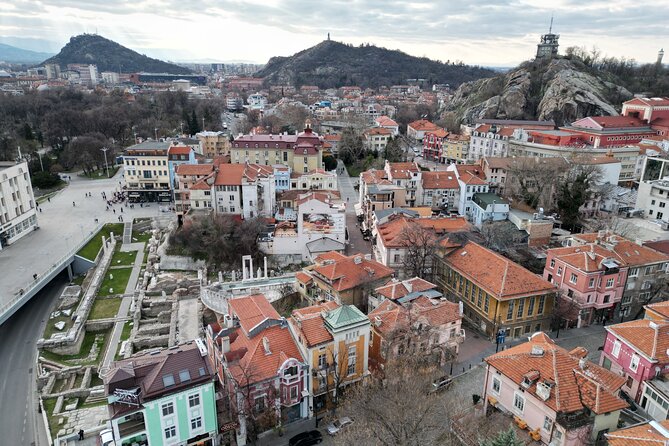
Plovdiv is one of Europe’s oldest continuously inhabited cities, and this first day gives you a useful overview of the layers beneath its modern streets. The route moves from Roman archaeology to Ottoman-era architecture and then to the 19th-century Bulgarian Revival period.
The Episcopal Basilica of Philippopolis
Start with the Episcopal Basilica, one of the most important archaeological stops in the city. The fourth-century Christian church replaced an earlier temple connected with the imperial cult, and its preserved mosaics show how Christian builders adapted classical artistic designs.
The mosaics are the reason to pay close attention here. Their scale and detail give you a clear sense of the wealth and importance of ancient Philippopolis. Digital 3D reconstructions help explain what the church looked like, which is useful when you are standing among foundations and fragmented walls.
Admission is included, and about an hour is allotted. That is enough for a guided visit, though anyone interested in Roman art may wish for more time.
The Ancient Stadium and Djumaya Mosque
The walk continues to the Ancient Stadium of Philippopolis, built during the reign of Emperor Hadrian. Its capacity was about 30,000 spectators, a remarkable figure that helps explain the city’s status in the second and third centuries.
Only part of the stadium is visible, so this is a short stop rather than a full archaeological visit. The remains sit close to the present-day center, making the contrast between Roman public life and modern Plovdiv especially clear.
Nearby, Djumaya Mosque adds another historical layer. Bulgaria spent roughly five centuries within the Ottoman Empire, and the mosque reflects that period through its Ottoman design and links with Byzantine architectural traditions. The plan allows an interior visit, although access can depend on local conditions.
You will also have a lunch break. Lunch is not included, so budget separately for it. The schedule gives you a chance to choose your own meal rather than being tied to a group restaurant, but you should keep an eye on the clock because the Old Town walk follows.
Elsewhere in Bulgaria, a very different sort of day:
- From Sofia: Rila Monastery & Boyana Church Day Tour
★ 4.7 · 5,107 reviews - From Sofia: Must-See Rila Monastery & Boyana Church Day Tour
★ 4.6 · 3,322 reviews - From Sofia: Guided Day Tour of Plovdiv’s Must-See Sights
★ 4.6 · 1,688 reviews - Sofia: Communist Walking Tour
★ 4.9 · 1,106 reviews
Plovdiv Old Town and the Ancient Theatre
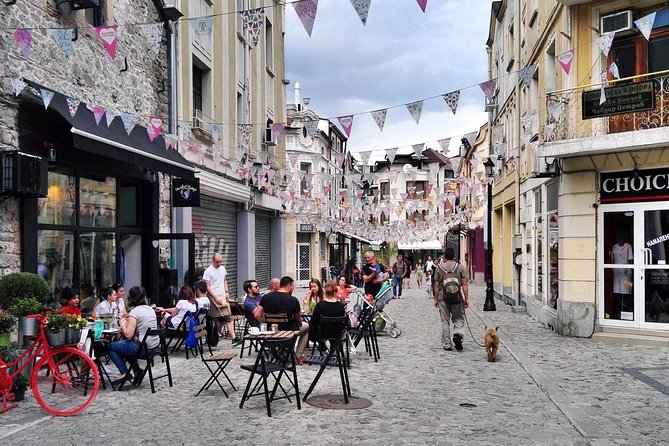
After lunch, the tour climbs into Plovdiv Old Town. Here the focus shifts to the Bulgarian Revival period and the prosperous families who shaped the city during the late Ottoman era.
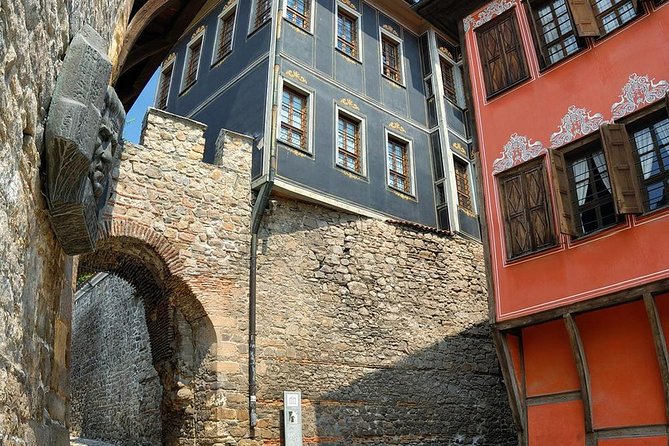
The historic homes are the main attraction. Their wooden balconies and decorative details show a distinctly Bulgarian urban style, and the tour may enter some of these houses. You will also see medieval remains and fortifications associated with the period after the Hunic invasion.
The climb ends on a hill where Plovdiv’s earliest prehistoric settlement was established. The walk involves uneven historic streets and some uphill movement, so comfortable shoes are a smart choice.
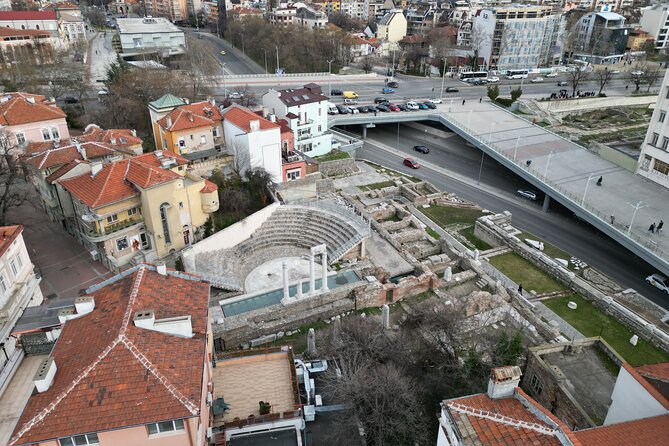
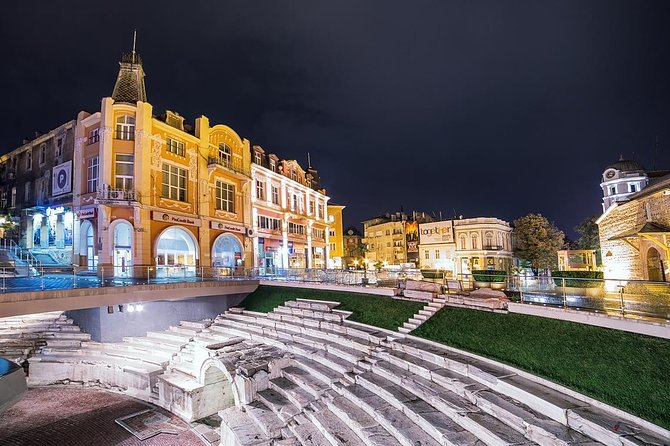
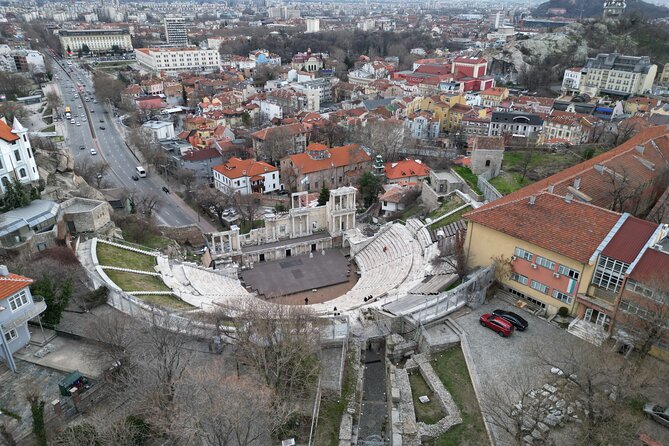
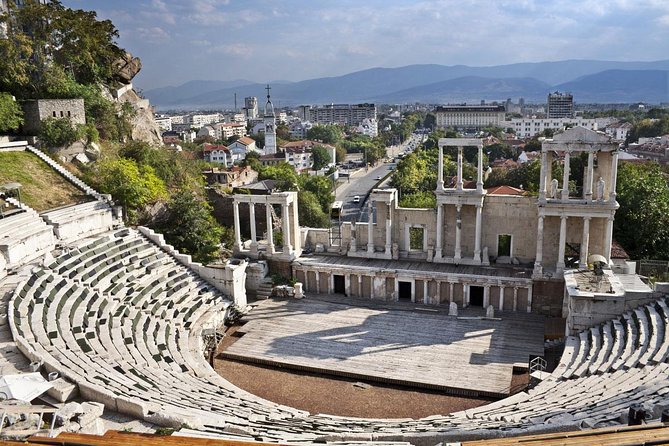
The Ancient Theatre of Philippopolis is the day’s final major sight. Built during the Roman period after the Dacian wars, probably under Emperor Trajan, it remains an active performance venue. Its curved seating and stone stage create one of Plovdiv’s most memorable views, but the site is not merely decorative. The theatre once hosted public entertainment, including gladiatorial contests, and still functions as a theatre today.
The schedule gives this stop about 30 minutes. That works for an introduction and photographs, but it is brief if you want to study the structure carefully.
Your evening is free in Plovdiv. That is a welcome choice. You can rest, seek out a restaurant, or explore the city after the guided portion ends. Dinner is not included, and the tour does not prescribe a nightlife plan.
Day two: Eagle’s Eye, Trigrad, and Devil’s Throat
Day two begins at 8:30, followed by a drive of about two and a half hours. The road passes the Vacha Reservoir and Devin before reaching the Trigrad Gorge area.
This is a scenic drive, but it is still a long time in a vehicle before hiking. If you are prone to motion sickness, prepare for mountain roads. The air-conditioned vehicle is important here, especially in warm weather.
The hike to Eagle’s Eye
The walk to Eagle’s Eye takes about an hour and is described as moderate. The full stop lasts about four hours, allowing time for the hike and the views from the top.
The lookout gives you a 360-degree view across Buynovsko Gorge and the Rhodope Mountains. This is the day’s main reward for anyone who enjoys open mountain scenery, but it is not a casual stroll. You need reasonable fitness, proper shoes, and a willingness to walk on mountain terrain.
The tour states that participants should have a moderate physical fitness level. That wording matters. If you have trouble with uphill walking, ask about alternatives before booking. The available feedback also indicates that the guide changed part of one day’s plan when a booked hike proved too difficult for a participant. That shows some practical flexibility, though the response from the provider was notably sharp, so it is best to discuss limits clearly and politely in advance.
Rhodope food in Trigrad
After the hike, the route continues into Trigrad, where you have about two hours for a meal and a look at the local setting. Traditional Rhodope cuisine is a central part of the day, and this is one of the tour’s strongest cultural features.
Lunch is not included, so you pay directly. That gives you some choice, but it also means the final cost will be higher than the advertised tour price. The village meal is valuable because it connects the scenery with local food traditions rather than treating the mountains as a quick photo stop.
Devil’s Throat Cave
The final major stop is Devil’s Throat Cave, one of the Rhodopes’ most dramatic natural sites. Inside, the Trigrad River drops down a 42-meter vertical shaft, creating an underground waterfall with heavy sound, mist, and echoes.
The cave also carries a strong mythological connection. The guide explains legends about Orpheus and his journey into the underworld, giving the visit more character than a simple geological walk.
Two hours are scheduled, and admission is included. The combination of stairs, cool underground conditions, rushing water, and legend makes this a memorable contrast to the sunny mountain lookout earlier in the day.
Afterward, you return to Plovdiv. This is a full day, with the long morning drive, moderate hike, meal, cave visit, and return journey. You should expect to reach the hotel tired rather than ready for a second evening of sightseeing.
Day three: rock bridges, Kosovo village, and Bachkovo Monastery
The final day starts early at 8:00. The destination is the Marvelous Bridges, followed by Kosovo village and Bachkovo Monastery on the return route toward Sofia.
This day has another substantial amount of driving. Its appeal is the variety: unusual rock formations, old mountain homes, regional food, and one of Bulgaria’s major monasteries.
The Marvelous Bridges
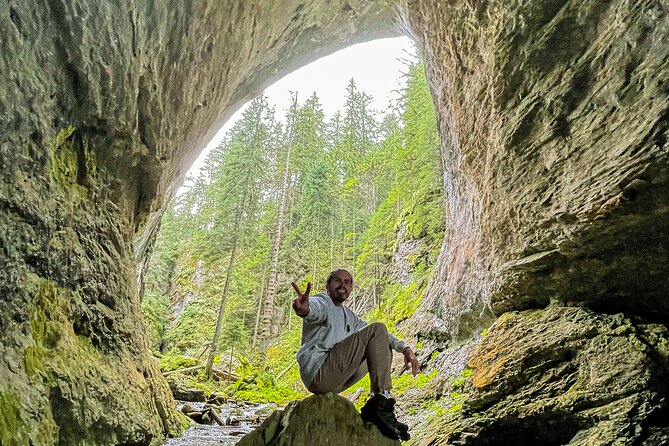
The Marvelous Bridges are natural stone arches shaped by erosion over millions of years. The formations vary in size and height, with some described as more than 100 meters high and up to 50 meters across.
The Eye Bridge is the best-known formation and a major viewpoint. The four-hour stop allows time to walk around the site and take in the shapes from different angles.
The setting is more about geology and mountain scenery than guided cultural interpretation. If you enjoy unusual rock formations, this could be your favorite stop. If you prefer monuments with a clear human story, it may feel less substantial than Plovdiv’s archaeology or Bachkovo’s religious art.
Kosovo village and Rhodope traditions
The road then reaches Kosovo, a small village known for old homes and traditional buildings. Wooden balconies and carved details give the village a strong regional identity.
A two-hour visit includes time to see the architecture and taste Rhodope cuisine. This is a quieter experience than Plovdiv’s historic center, and it gives you a closer look at how mountain communities expressed wealth and craftsmanship through their houses.
The available feedback was quite negative about the Kosovo stop, calling it pointless and noting that the lowland heat around Plovdiv reached 40 degrees in July. That is useful advice, not a reason to dismiss the entire tour. Kosovo will appeal most if you value small villages and traditional food. It may disappoint you if you want a packed schedule of major monuments.
Summer timing deserves real attention. Plovdiv can be very hot, while the mountain portion is more comfortable but still physically demanding. July may not be the best month for this itinerary if you struggle with heat.
Bachkovo Monastery
Bachkovo Monastery is the final scheduled sight and a worthwhile one. Founded in the 11th century, it is Bulgaria’s second-largest monastery and sits among attractive mountain scenery.
The site is also linked to two Bulgarian figures associated with saving Jews during the Second World War in Bulgaria. That gives the visit important modern historical weight alongside its religious and architectural value.
Three hours are allowed, including the visit and the onward journey toward Sofia. Admission is included. The monastery provides a strong finish because it brings together faith, Bulgarian national history, art, and the mountain setting in one place.
The supplied schedule says the tour continues back to Sofia after Bachkovo. Since pickup and drop-off can be arranged from Sofia or Plovdiv, confirm the exact end point when booking, especially if you have a flight or train soon afterward.
Transport, hotels, meals, and group size
Pickup is available from a hotel or airport in Sofia or Plovdiv. That is particularly useful if you are beginning in one city and ending in another, but confirm the exact transfer plan before you travel.
Two nights in Plovdiv Old Town are included, along with two breakfasts. The accommodation is not named in the available details, so you should ask about the hotel’s exact location, room setup, and check-in arrangements if those points matter to you.
Lunches and dinners are extra. Plan for at least three lunches and two dinners, plus any drinks and snacks. This is not a problem for most people, but the food budget should be added to the $603.44 price when you compare the tour with arranging the trip yourself.
The maximum group size is eight. That is small enough for a more personal guide experience and easier adjustments, while still being less expensive than a fully private tour. The guide can also help explain why the Roman, Ottoman, Revival, and modern Bulgarian periods appear side by side in Plovdiv.
The tour is offered in English. One piece of available feedback came from an Italian participant who found the language and guiding uneven. The provider replied that the participant had booked an English-language experience without knowing the language. The practical lesson is simple: book this only if you can comfortably follow an English tour for long periods.
Who will get the most from this tour?
I would choose this trip if you want Bulgaria’s major sights outside Sofia but do not want to rent a car. It suits people who enjoy ancient ruins, traditional villages, caves, mountain views, and long days on the road.
It is also a good fit if you want a blend of guided context and free evening time. Day one gives you Plovdiv’s main historic sights, while the two evenings are not filled with scheduled activities.
I would hesitate if you want a gentle holiday. The itinerary includes early starts, extended driving, uphill walking, and moderate hiking. It is also less suitable for anyone who wants a carefully fixed schedule, since the flexible approach can produce changes.
The rating is 4.7 from only three ratings, so treat that number as encouraging but not conclusive. The strongest praise is directed at the mountain excursions and the guides, especially the first-day guide. At the same time, the Kosovo stop and hot July conditions deserve careful thought.
Should you book the Plovdiv and Rhodope tour?
Book it if your ideal Bulgaria trip includes Roman ruins in the morning, a mountain lookout after a long drive, a cave tied to Orpheus, a village meal, and a monastery before returning to Sofia. The route covers a lot of ground that would be awkward to arrange alone.
Before paying, confirm the winery visit, hotel details, final drop-off point, and what happens if you cannot complete the Eagle’s Eye hike. I would also avoid the hottest part of summer if possible, or at least bring water, sun protection, and sturdy walking shoes.
For active visitors who value variety and small groups, the price can be fair. For slow-paced sightseers, a two-day Plovdiv stay with a separate, shorter mountain outing may be more comfortable.
FAQ
Where does the tour begin?
Pickup is available from a hotel or airport in Sofia or Plovdiv. The stated start time is 9:00 a.m.
How long does the experience last?
The tour lasts approximately three days and includes two nights in Plovdiv Old Town.
Is transportation included?
Yes. Transportation is provided in an air-conditioned vehicle.
What language is the tour offered in?
The tour is offered in English.
How large is the group?
The maximum group size is eight people.
Is the Eagle’s Eye hike difficult?
The hike takes about one hour and is classified as moderate. Participants should have a moderate level of physical fitness.
Are entrance fees included?
Entrance fees at the scheduled sites are included. The listed included sites cover the Episcopal Basilica, the Ancient Theatre, Devil’s Throat Cave, and Bachkovo Monastery, among others where applicable.
Are meals included?
Two breakfasts are included. Lunches and dinners are not included.
Is Bulgarian wine tasting included?
Bulgarian wine at a heritage winery is described among the tour highlights, but the detailed schedule does not identify a winery stop. Confirm this point with BulTrips before booking.
More 3-Day Experiences in Sofia
- 3 days Ski equipment rental in Borovets
★ 5.0 · 17 reviews
Recently added around Sofia
- Veliko Tarnovo & Arbanasi Full day tour★ 5.0 · 5 reviews
- Private Winter Day Trip to the Rila Mountain★ 4.5 · 3 reviews
- Zemen Monastery, Boyana Church and National History Museum Tour★ 5.0 · 2 reviews
- Sofia Hidden Gems: Small-Group Walking Tour with Tram Ride★ 5.0 · 7 reviews
- Private transfer from Sofia to Plovdiv or vice versa★ 5.0 · 8 reviews
- Catacomb Tour in Sofia guided by a Local★ 4.5 · 3 reviews
- Tour to Koprivshtitsa and the Buzludzha monument incl the Seuthes Thracian Tomb★ 3.5 · 3 reviews
- From Sofia: The gorges of Trun and Dragovski stone trail★ 5.0 · 6 reviews
Rila Lakes & Mountain Hikes, compared.
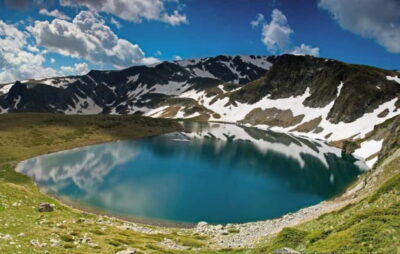
7 Rila Lakes and Rila Monastery Extended Trip
Read our review →
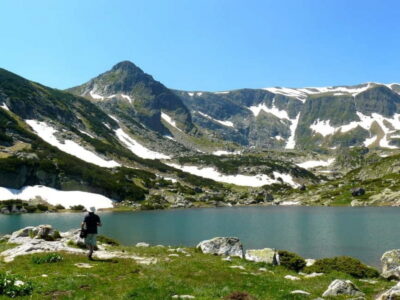
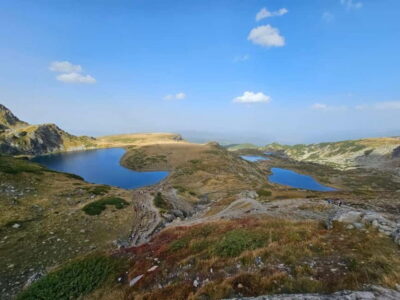
Rila Monastery and 7 Rila Lakes Self-Guided Shared Trip from Sofia
Read our review →
Seven Rila Lakes – Full Day Hiking Trip in the Rila Mountain
Read our review →Browse the lists this tour appears in