
Review · WINE TOURS
Sofia: Banitsa Pastry Class with a Local with Bulgarian Wine
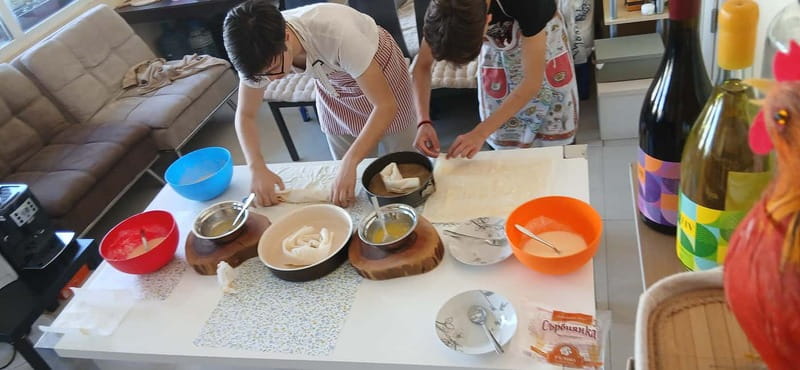
Banitsa brings Sofia home. This 90-minute cooking experience trades a formal kitchen for a private apartment, where you learn to make Bulgaria’s beloved filo pastry with eggs, cheese, and yogurt. I like the hands-on format, and I like the short neighborhood walk that adds a little local context before the baking begins.
The balcony view toward Sofia and Mount Vitosha gives the class a pleasant setting, while local cheese, cured lukanka sausage, and Bulgarian wine turn the waiting time into a proper tasting. The main consideration is that this is a home-hosted class, not a polished cooking school, and the timing is unclear: the experience is advertised as 90 minutes, though the practical information also says to allow 2 to 2.5 hours.
The small group size, limited to six people, should make it easy to follow the lesson and ask questions. I also like the personal touch noted by Zyong, who enjoyed the Bulgarian music, warm atmosphere, and cultural stories alongside the cooking.
In This Review
- Key Details Before You Book
- Meeting at James Bourchier Metro Station
- The Short Walk Through Sofia
- Entering the Top-Floor Apartment
- Learning the Structure of Banitsa
- Wine, Cheese, and Lukanka During the Bake
- Eating Banitsa Hot or Taking It Home
- What the $58 Price Includes
- Who Will Enjoy This Home Cooking Class
- Timing, Cancellations, and Practical Planning
- Should You Book This Banitsa Experience?
- FAQ
- Where does the banitsa class meet?
- How will I recognize the host?
- How long does the experience last?
- Is the class held in a restaurant?
- What will I learn to make?
- Is cooking experience required?
- What food and drinks are included?
- Can I take the banitsa home?
Key Details Before You Book
- Meet beside Hotel Marinela: Find the James Bourchier metro station at the Zlaten Rog Exit 1, on the blue line, three stops from Serdika.
- Walk into local life: Your host leads you on a short walk to a nearby top-floor home and shares stories about Sofia’s neighborhoods and daily routines.
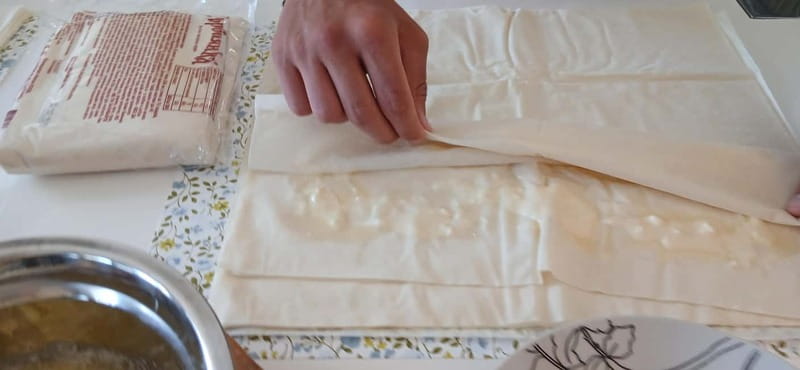
- Make banitsa from scratch: You work with traditional filo pastry, eggs, cheese, and yogurt, with all tools and ingredients supplied.
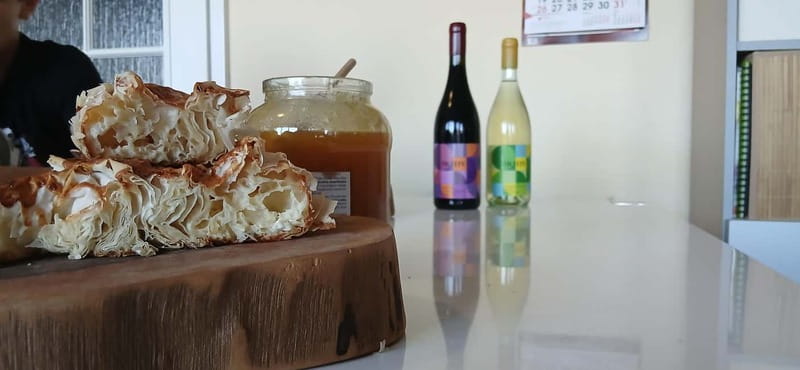
- Taste while the pastry bakes: Local cheeses, cured lukanka sausage, and Bulgarian wine make the oven wait worthwhile.
- Keep or eat your pastry: You can take the finished banitsa home or enjoy it warm from the oven.
- Small and English-speaking: The group is capped at six, and no previous cooking experience is needed.
Meeting at James Bourchier Metro Station
The experience begins at James Bourchier metro station, specifically at the Zlaten Rog Exit 1. This is on Sofia’s blue metro line and sits three stops from Serdika station, the central stop most visitors use for the city center.
That makes the meeting point fairly practical, but you need to leave yourself enough time to find the correct exit. Metro stations can have several street-level exits, and the directions are specific for a reason. Look for the canopy at street level, where a young host will be wearing a red T-shirt and carrying a blue shopping bag.
The meeting point is next to Hotel Marinela, a useful landmark if you are checking your position on a map. Transportation to the station is not included, so you are responsible for reaching it. The metro is the natural choice if you are staying near central Sofia, though the experience does not provide private transport.
This first stage is simple, but it helps set the tone. You are not being collected in a coach and taken straight into a cooking venue. You meet a local person in an ordinary Sofia neighborhood, then walk together to the apartment.
More Wine Tastings in Sofia
- Sofia: Wine & Cheese Tasting Experience
★ 4.9 · 674 reviews - Wine Tasting in Heart of Sofia
★ 5.0 · 545 reviews - Sofia: Guided Tasting of Local Wines and Cheeses
★ 4.6 · 181 reviews
The Short Walk Through Sofia
The walk from the station to the host’s home is brief, but it has a useful purpose. During the walk, your host shares stories about nearby neighborhoods and daily life in Sofia.
That sort of introduction can help you understand the city beyond its major sights. You are not just learning a recipe in isolation. You are hearing how the food fits into ordinary Bulgarian life, and you have a chance to ask questions before reaching the kitchen.
The walk is not described as a sightseeing tour, so keep your expectations modest. This is a short local introduction, not a major architectural route or a guided visit to Sofia’s monuments. Its value comes from the conversation and the transition into a private home.
For many people, that transition will be the most appealing part. The activity feels personal from the start, and the small group limit of six should prevent the walk from becoming a large procession.
Entering the Top-Floor Apartment
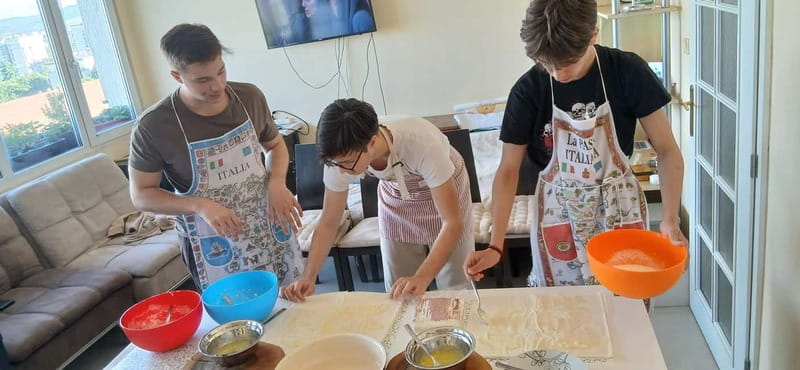
The class takes place in a cozy top-floor apartment with views across Sofia toward Mount Vitosha. It is important to understand the setting before booking: this is a private home, not a restaurant, test kitchen, or professional culinary school.
That distinction is both the charm and the main point to consider. A home kitchen can offer a more relaxed look at Bulgarian food culture. You may see how a traditional dish is explained and prepared in a domestic setting rather than through a formal demonstration.
At the same time, home-hosted activities are less likely to feel standardized than a professional school. You should book this if you enjoy conversation, local hospitality, and a relaxed pace. If you want highly technical instruction, restaurant-style equipment, or a polished chef-led presentation, this may not be the right fit.
The apartment’s balcony adds another pleasant feature. While the banitsa is in the oven, you can sit outside, look toward Mount Vitosha, and continue talking with the host. The view gives the class a sense of place, particularly on a clear day, though the experience does not promise specific weather conditions.
Learning the Structure of Banitsa
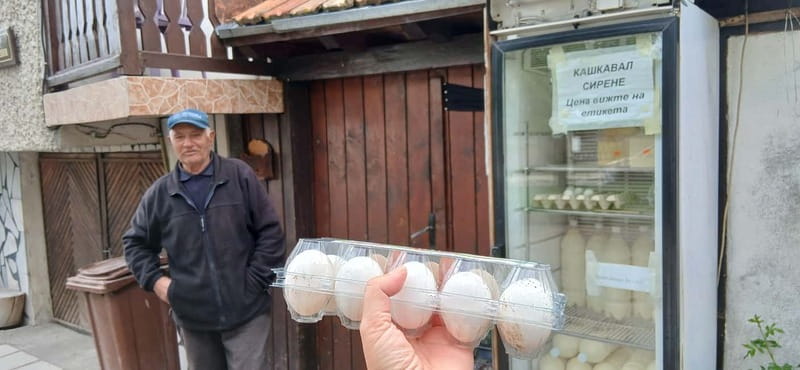
Banitsa is a traditional Bulgarian pastry made with filo pastry and a filling built around eggs, cheese, and yogurt. The class teaches you to prepare it from scratch, using traditional ingredients and tools supplied by the host.
That makes the activity more useful than a simple tasting. You do not just sample a finished pastry and hear its name. You take part in the process and leave with a skill you can try again at home.
Filo pastry requires care, so the hands-on format should give you a better feel for the dish than reading a recipe alone. The supplied information does not specify every stage of the method, the type of cheese, or the exact recipe. You should therefore expect practical guidance rather than a full professional baking course with a printed technical manual.
No previous cooking experience is needed. That is good news if your kitchen skills are limited or if you want a low-pressure activity between sightseeing stops. The class is conducted in English, so English-speaking participants can ask questions throughout the preparation.
The small group is a real advantage here. With no more than six people, you should have a better chance to handle ingredients, watch the preparation closely, and get help when working with the pastry.
Elsewhere in Bulgaria, a very different sort of day:
- From Sofia: Rila Monastery & Boyana Church Day Tour
★ 4.7 · 5,107 reviews - From Sofia: Must-See Rila Monastery & Boyana Church Day Tour
★ 4.6 · 3,322 reviews - From Sofia: Guided Day Tour of Plovdiv’s Must-See Sights
★ 4.6 · 1,688 reviews - From Sofia: 7 Rila Lakes and Rila Monastery Extended Trip
★ 4.7 · 1,189 reviews
Wine, Cheese, and Lukanka During the Bake
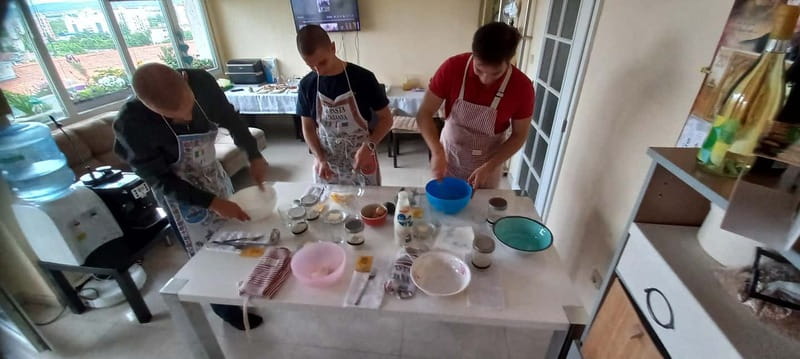
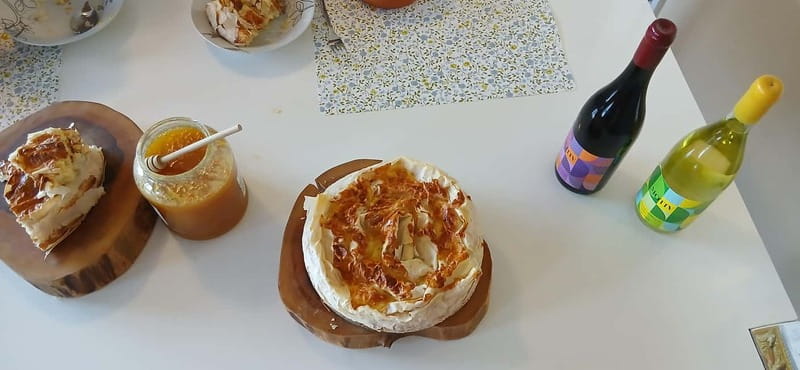
Once the banitsa goes into the oven, the class shifts from preparation to tasting. Your host serves local cheeses and cured lukanka sausage, along with Bulgarian wine.
Lukanka is a traditional cured sausage, so this part gives you a quick introduction to Bulgarian table food beyond the pastry itself. The cheese and sausage also make practical sense: you have something savory to enjoy while the main dish cooks.
The wine adds to the social side of the experience. The included information refers to a glass of boutique Bulgarian wine in one place and unlimited pours in another, while the practical notes again mention one glass. Because those descriptions do not fully match, I would confirm the wine allowance before booking if that detail matters to you.
The balcony is the natural place to relax during this pause. You can ask about Bulgarian food, banitsa, local customs, and life in Sofia while taking in the city and Mount Vitosha. Zyong specifically appreciated the Bulgarian music and the welcoming atmosphere, along with learning cultural background connected to the pastry.
That feedback points to the strongest feature of the class: the social setting. The food is important, but the conversation and the feeling of being welcomed into a home are likely to shape the experience just as much.
Eating Banitsa Hot or Taking It Home
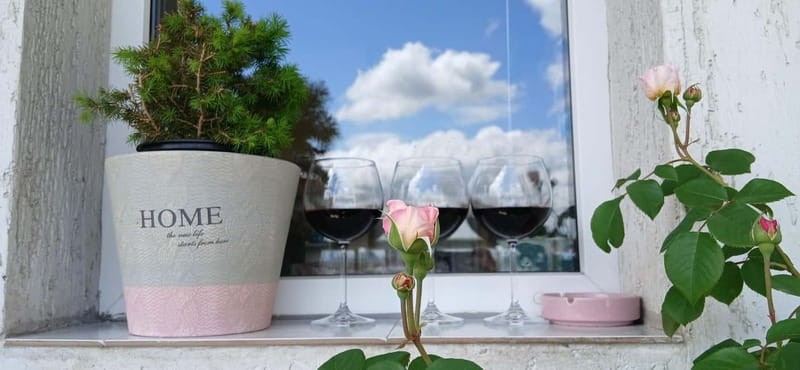
At the end, you have two choices. You can eat the banitsa warm from the oven, or take it home with you.
Eating it immediately is the obvious choice if you want the full sensory reward of the class. Fresh filo pastry is best enjoyed soon after baking, and sharing it in the apartment gives the activity a natural finish.
Taking it home makes sense if you are already full from the cheese, sausage, and wine, or if you want to share the result with someone else. The experience includes the freshly baked banitsa, though the information does not specify the type of packaging provided. If you plan to carry it around Sofia afterward, it would be sensible to ask the host how it will be packed.
This final choice also gives the class a practical quality. You leave with more than a memory and a few food facts. You have made something yourself and can decide how to enjoy it.
What the $58 Price Includes
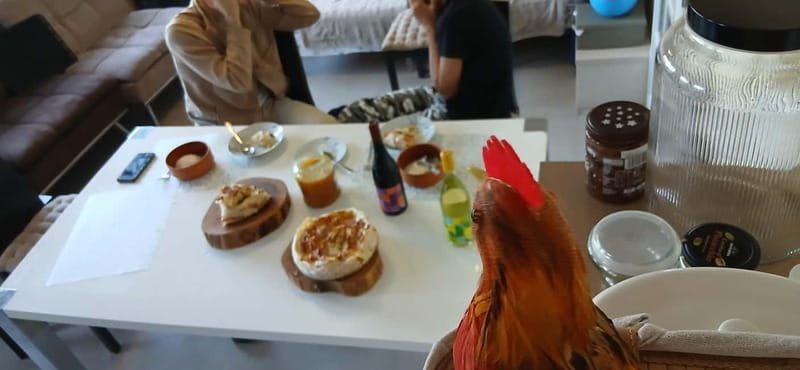
At $58 per person, the cost is not simply paying for a pastry lesson. It covers the small-group instruction, ingredients, kitchen tools, local cheese, lukanka, wine, the neighborhood walk, and the home setting.
For a 90-minute activity, that is a moderate to fairly high price compared with a basic cooking demonstration. The value improves if you care about meeting a local host and eating a range of Bulgarian food rather than only learning a recipe.
The six-person limit matters here. A small group generally gives you more direct participation than a large class, and the home setting creates a more personal experience. The balcony views and cultural conversation are also part of what you are paying for, even though they are not separate attractions.
I would judge the price by your priorities. If you want a cheap snack and a quick recipe, $58 may feel steep. If you want a compact cultural activity with food, wine, conversation, and a dish you prepare yourself, the cost is easier to justify.
The price does not include transportation to the meeting point. That is not a major problem because the station is on Sofia’s metro system, but you should include the metro fare and travel time in your plans.
Who Will Enjoy This Home Cooking Class
This experience suits you best if you like food activities that feel social and informal. It is particularly good for couples, solo visitors, and small groups who want to meet a local person rather than sit in a commercial venue.
It can also work well for people visiting Sofia for only a short time. In one compact activity, you get a neighborhood walk, a home visit, a Bulgarian pastry lesson, a food tasting, wine, and city views.
The class should suit beginners. You do not need previous cooking experience, and the small group should make it easier to follow along. English is the working language, so you should be comfortable receiving instructions and asking questions in English.
It may be less suitable if you dislike entering a private home, want a formal culinary course, or prefer a tightly timed sightseeing activity. It is also not suitable for anyone with gluten intolerance or lactose intolerance. Banitsa contains filo pastry, cheese, and yogurt, and the tasting also includes sausage.
Party groups are not allowed. The atmosphere is designed around conversation and food culture, not drinking games or a loud celebration.
Timing, Cancellations, and Practical Planning
The headline duration is 90 minutes, but the practical information says to allow approximately 2 to 2.5 hours. That is a meaningful difference, especially if you have a museum booking, airport transfer, or evening reservation afterward.
I would plan for the longer window. A home meal can run at a relaxed pace, and the walk, preparation, baking, tasting, and final serving all take time. The stated availability will show the starting times, but the exact schedule depends on the booking you choose.
You can cancel up to 24 hours in advance for a full refund, and the reserve-now, pay-later option lets you hold a place without paying immediately. Those policies are useful if your Sofia plans are still changing.
The experience provider is Taste History. The host is identified by a red T-shirt and blue shopping bag at the meeting point, which should make the first meeting easier.
The overall rating is 5 from three verified ratings, including strong praise from Mor and Zyong. The number of ratings is small, so I would treat it as encouraging rather than final proof of consistency. Still, the specific praise is useful: the friendly welcome, Bulgarian music, cultural explanations, and home-like atmosphere are exactly the qualities this activity is built around.
Should You Book This Banitsa Experience?
Book it if you want a personal introduction to Bulgarian food and do not mind a relaxed home setting. The best reasons are the hands-on banitsa lesson, the small group, the Mount Vitosha view, and the chance to talk with a local host over cheese, lukanka, and wine.
Skip it if you need a professional cooking school, have food intolerances involving gluten or lactose, or need a firmly fixed 90-minute schedule. Before paying, confirm the expected duration and whether the wine service means one glass or unlimited pours.
For most food-focused visitors, this looks like a warm and useful Sofia activity. You learn a dish, share a table, and get a glimpse of daily life that a standard restaurant meal cannot provide.
FAQ
Where does the banitsa class meet?
You meet at James Bourchier Metro Station, at the Zlaten Rog Exit 1. The station is on Sofia’s blue metro line, three stops from Serdika Metro Station, and next to Hotel Marinela.
How will I recognize the host?
The host will be waiting under the metro station canopy at street level. They will wear a red T-shirt and carry a blue shopping bag.
How long does the experience last?
The advertised duration is 90 minutes. The practical information also advises allowing approximately 2 to 2.5 hours, so plan for the longer period.
Is the class held in a restaurant?
No. The activity takes place in a private home, in a top-floor apartment with views of Sofia and Mount Vitosha.
What will I learn to make?
You will learn to make banitsa from scratch. The pastry includes filo pastry, eggs, cheese, and yogurt.
Is cooking experience required?
No prior cooking experience is needed. The host supplies the traditional ingredients and tools, and the class is conducted in English.
What food and drinks are included?
The experience includes banitsa ingredients, local cheeses, cured lukanka sausage, and Bulgarian wine. The information describes the wine as one glass in some places and unlimited pours in another, so confirm this detail before booking.
Can I take the banitsa home?
Yes. You can take your freshly baked banitsa home or eat it warm from the oven. Transportation to the meeting point is not included.
More Workshops in Sofia
- Bulgarian Food tasting, cullinary-historical tour, Cooking class
★ 4.5 · 15 reviews - Transfer from the Sofia Airport to your hotel in Sofia by VIP Mercedes V class
★ 4.0 · 5 reviews - Private Ski Lesson in Bulgaria
★ 5.0 · 92 reviews - Bulgaria:Borovets,Private Ski and Snowboard lessons
★ 5.0 · 14 reviews
Recently added around Sofia
- Veliko Tarnovo & Arbanasi Full day tour★ 5.0 · 5 reviews
- Private Winter Day Trip to the Rila Mountain★ 4.5 · 3 reviews
- Sofia Hidden Gems: Small-Group Walking Tour with Tram Ride★ 5.0 · 7 reviews
- Private transfer from Sofia to Plovdiv or vice versa★ 5.0 · 8 reviews
- Zemen Monastery, Boyana Church and National History Museum Tour★ 5.0 · 2 reviews
- Catacomb Tour in Sofia guided by a Local★ 4.5 · 3 reviews
- Tour to Koprivshtitsa and the Buzludzha monument incl the Seuthes Thracian Tomb★ 3.5 · 3 reviews
- From Sofia: The gorges of Trun and Dragovski stone trail★ 5.0 · 6 reviews
Wine Tours, compared.
Special History And Wine Tour including Wine Tasting
Read our review →
Sofia Afternoon Walking Tour with Wine and Food Tasting
Read our review →

Private Wine Tasting in the UNESCO town of Nessebar
Read our review →Browse the lists this tour appears in