
Review · FOLKLORE SHOWS
Gorno Draglishte: Local Folklore Experience w/ Food Tasting
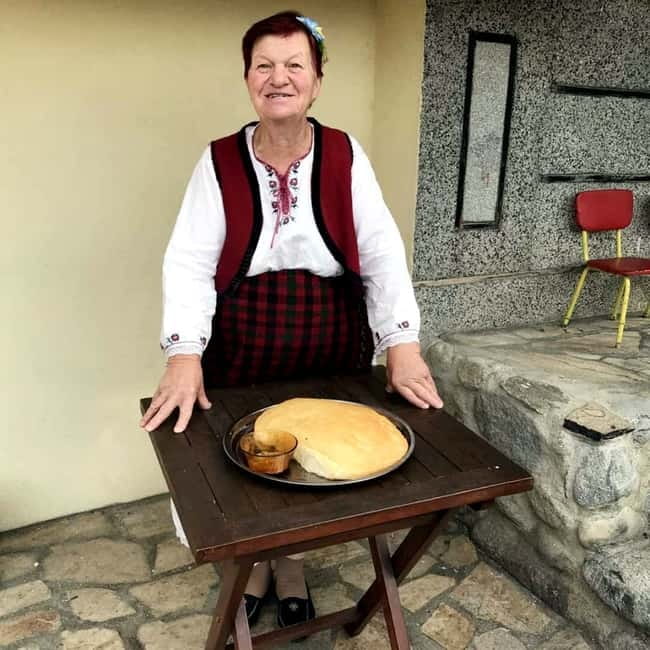
Good food needs a good story. This three-hour visit to Gorno Draglishte gives you both, with lively local grandmothers, traditional dress, horo dancing, handmade souvenirs, and a generous Bulgarian meal. I especially like the warm village welcome and the chance to take part instead of simply watching from the sidelines. The main drawback is the price: at $104 per person, this is costly for Bulgaria, particularly if you do not use the optional transport.
You can begin with pickup from your Bansko hotel or meet the hosts in the village. I also like the private-group format, which makes costume photos, dancing, and crafts feel less awkward than they might in a large crowd. Just keep your language expectations sensible: English, Bulgarian, and Russian support is listed, but the local women may not speak English directly.
In This Review
- Five things to know before you book
- Arriving in Gorno Draglishte from Bansko
- Meeting the local grandmothers
- Dressing in Bulgarian folklore clothing
- Learning the horo dances
- Making a souvenir to take home
- Eating banitsa, local meat, and homemade dessert
- What $104 per person really buys
- Timing, language, and practical expectations
- Who will enjoy this most
- Should you book the Gorno Draglishte folklore experience?
- FAQ
- How long does the Gorno Draglishte folklore experience last?
- Where does the experience take place?
- Is hotel pickup available?
- Is transportation included in the price?
- What food is served?
- Are traditional drinks included?
- Can I wear a Bulgarian folklore costume?
- What languages are available?
Five things to know before you book
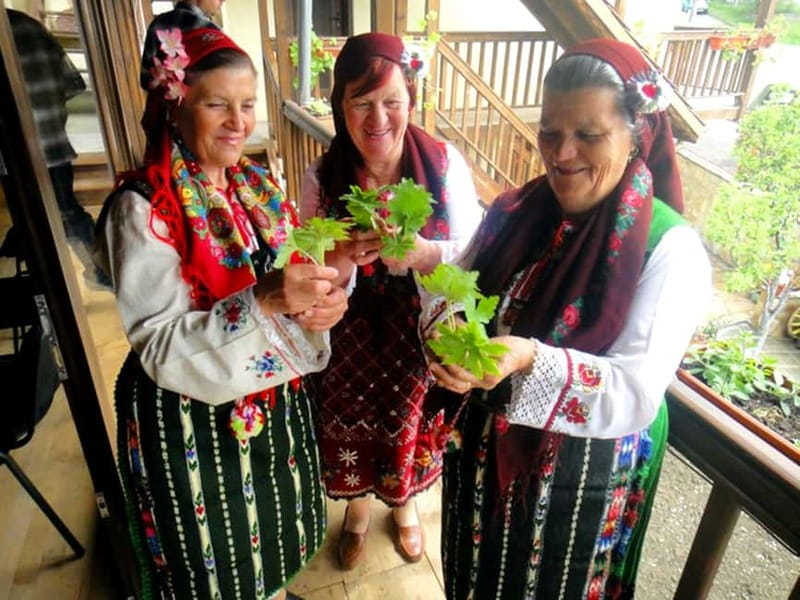
- The grandmothers are the heart of the visit: Expect an energetic welcome, traditional clothing, photos, food, and plenty of good humor.
- Horo dancing is for participation: You will learn simple local dances rather than sit through a formal show.
- The meal is substantial: The sample menu includes banitsa, local meat, and homemade dessert, along with rakia.
- You make a take-home souvenir: The craft activity adds a hands-on piece to the visit.
- Transport is optional: Pickup is available from all Bansko hotels, while trips from outside Bansko cost extra.
- The experience lasts three hours: That is long enough for a full cultural visit without taking an entire day from your holiday.
Arriving in Gorno Draglishte from Bansko
Gorno Draglishte is in Bulgaria’s Blagoevgrad Province, within easy reach of the Bansko area. You have two ways to handle the start. Choose hotel pickup if you want the simplest plan, or arrange your own way to the village and meet the local hosts there.
For anyone staying in Bansko, pickup removes the guesswork. You provide your accommodation details, and the operator can collect you from any Bansko hotel. If your lodging is outside Bansko, pickup may still be possible for a small extra fee based on the location.
That choice affects the value of the experience. At $104 per person, a separate transfer can make the total cost climb. If you are staying in Bansko and prefer an easy door-to-door outing, the added convenience may be worthwhile. If you have your own car or are already exploring the area, meeting the hosts yourself keeps the expense under better control.
The activity is private, which is a useful detail. You are not being folded into a large tour group with strangers, and the hosts can focus on your party. A small group also makes the dancing and costume photos easier. Nobody has to perform for a busload of onlookers.
More Folklore Shows in Bansko:
- From Bansko: Traditional Folklore Experience
★ 5.0 · 7 reviews - Sofia by Night: Panoramic City Tour and Folklore Dinner
★ 4.5 · 46 reviews - Sofia by Night Panoramic Tour with Dinner and Folklore Show
★ 4.5 · 41 reviews
Meeting the local grandmothers
The welcome is the most personal part of the experience. You meet the grandmothers in Gorno Draglishte, where they introduce you to local traditions through food, clothing, dance, and craftwork.
The tone is clearly informal and playful. You should expect smiles, gestures, photos, and a fair amount of laughter. One French-speaking visitor found the place easy to locate and described a warm welcome, lively hosts, and an easy time communicating despite the women not speaking English. That is useful context: the experience does not depend entirely on polished English conversation.
The listed instructor languages are English, Bulgarian, and Russian. Still, the local hosts themselves may rely on gestures or assistance from the wider tour team. If you want detailed explanations of every custom, confirm the language arrangement before booking. If you are happy to learn by doing, the language gap may matter much less.
This is not a museum-style presentation with labels and glass cases. You are invited into a social setting where the traditions are shown through action. That makes the visit more memorable, but it also means the experience can feel less formal and less scripted.
Dressing in Bulgarian folklore clothing
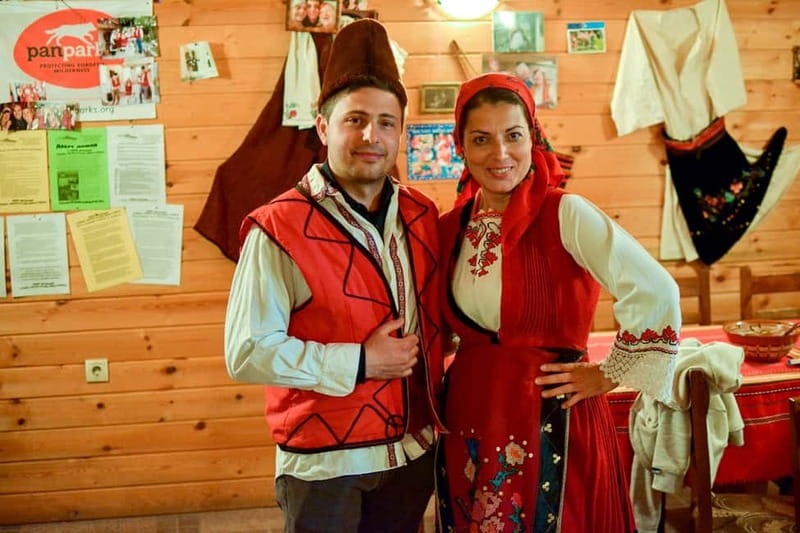
The costume portion gives the visit an immediate sense of place. You can put on traditional local folklore clothing and use it for photos. The women help dress you, and they also take photographs and videos, according to the experience details.
This is a strong choice for families, couples, and groups of friends who enjoy playful holiday pictures. The costumes also help explain how local traditions are presented visually, rather than leaving them as abstract facts.
You should see this as a participatory photo opportunity, not a professional portrait session. The focus is on fun and involvement. If taking pictures is important to you, make sure your phone or camera is ready, since the hosts may capture photos and videos during the activity.
The costume segment also breaks the ice before the dancing and meal. Once you are dressed up, joining a simple group dance feels less intimidating. It is hard to remain overly self-conscious when everyone is smiling and adjusting sleeves, belts, or headwear.
Learning the horo dances
Horo is the traditional Bulgarian group dance featured during the visit. You will have the chance to join in rather than simply watch a performance.
The dances are described as easy, which is reassuring if you have two left feet or have never tried Bulgarian folk dancing. Expect basic steps and a friendly pace rather than a demanding dance lesson. The point is shared participation, not technical perfection.
This is one of the best parts for people who want a social experience. Food tastings can sometimes leave you sitting quietly at a table. Horo gets you moving and gives the visit a clear connection to local celebration.
It is also where the private-group format helps. You can laugh at your mistakes without feeling like you are on stage in front of a large audience. The hosts are described as dynamic, so the mood should stay light.
Still, do not book this if you want a quiet, observation-only outing. You will be encouraged to participate in the dancing, photos, and craft activity. The fun comes from joining in.
More Food Tours in Bansko:
- Sofia: Wine & Cheese Tasting Experience
★ 4.9 · 674 reviews - Wine Tasting in Heart of Sofia
★ 5.0 · 545 reviews - Sofia: Guided Tasting of Local Wines and Cheeses
★ 4.6 · 181 reviews - Sofia: Flea and Food Markets Tour
★ 4.8 · 63 reviews
Making a souvenir to take home
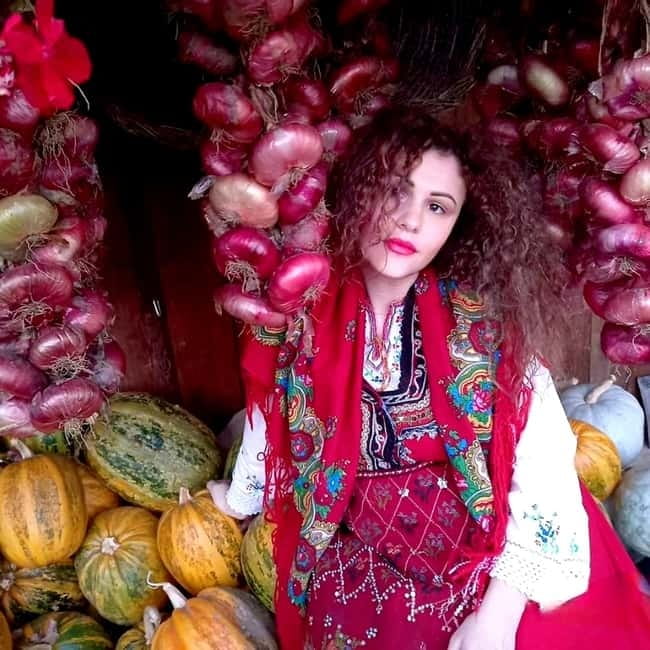
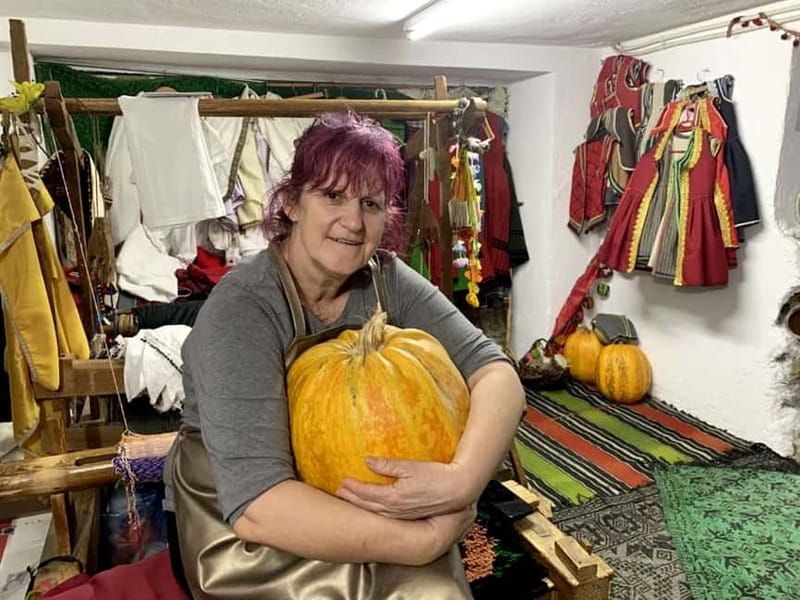
The craft session gives you something more lasting than a full stomach and a camera roll. You make a souvenir during the visit and take it with you afterward.
The available information does not specify the exact item or materials, so do not arrive expecting a particular craft. What matters is the hands-on element. You are not simply buying a ready-made object in a shop. You spend part of the visit creating something connected to the local activity.
This is especially useful if you are visiting with children. A small handmade object can help them remember the day, and the activity gives them something to do between dancing and eating. Couples and friends can also turn it into a small, amusing challenge.
The craft is not likely to satisfy someone seeking a serious workshop with advanced instruction. It is best understood as a short, cheerful souvenir-making activity within a broader cultural visit.
Eating banitsa, local meat, and homemade dessert
Food is one of the strongest reasons to consider this experience. The sample menu includes banitsa, local meat, and homemade dessert, with traditional drinks served alongside the meal.
Banitsa is a classic Bulgarian pastry, usually associated with layers of pastry and a savory filling. Here, it forms part of a home-style meal rather than a quick bakery snack. The exact preparation can vary, so you may find a local version rather than a standardized restaurant dish.
The meat course makes the meal more substantial. The description does not specify the type of meat or preparation, so dietary questions should be raised before booking. If you do not eat meat, do not assume a vegetarian replacement is included.
Dessert finishes the meal in homemade style. The food is described as generous, and one visitor specifically praised the meal as copious. That matters when judging the price. You are paying for a full hosted experience with food and drinks, not just a short dance demonstration.
Rakia is the traditional Bulgarian alcoholic drink served during the visit. It is often strong, so take a small serving first if you are unfamiliar with it. You can enjoy the cultural side without overdoing the alcohol. Personal expenses are not included, so any extras beyond the arranged meal and drinks are your responsibility.
What $104 per person really buys
At $104 per person, this is expensive by Bulgarian standards. One verified rating gave four out of five and specifically called the experience costly for Bulgaria. That is a fair warning, and you should not ignore it.
The price makes more sense if you value several services at once: private hosting, transport if selected, costume use, photos and videos, dancing, a craft, a full meal, and drinks. Recreating all of that independently would not be simple. You would need to find the village, arrange a local welcome, locate traditional clothing, and organize food and a cultural activity.
The value is weaker if you mainly want lunch. You can eat Bulgarian food for much less elsewhere. It is also weaker if you dislike dressing up, dancing, or group participation. In that case, much of what you are paying for will not suit you.
I would view this as a special-occasion activity rather than a budget meal. It fits best into a Bansko holiday when you want one distinctive cultural afternoon and are willing to pay for personal hosting. The private format improves the value for couples, families, or a small group sharing the experience.
Timing, language, and practical expectations
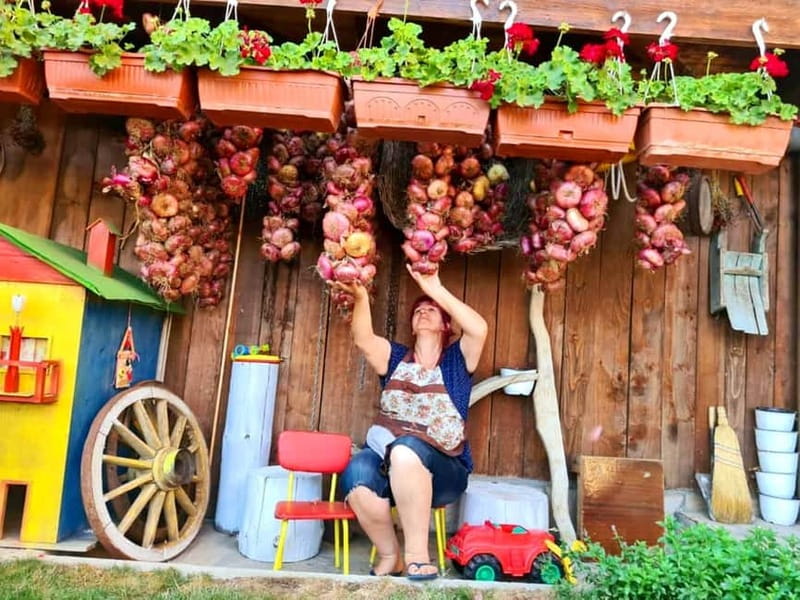
The visit lasts three hours. That gives you time for the welcome, costume, horo, craft, and meal without turning the outing into an all-day commitment. Starting times depend on availability, so check the schedule before settling your Bansko plans.
The listed languages are English, Bulgarian, and Russian. Since the local women may not speak English, the experience may rely partly on demonstrations, gestures, and simple communication. That is not necessarily a problem, but you should be comfortable with a less formal style.
The location is reported as easy to find when meeting independently. If you prefer not to navigate, choose pickup from your Bansko hotel. For accommodations outside Bansko, ask about the added fee before confirming so the final price is clear.
Cancellation is flexible up to 24 hours before the activity for a full refund. You can also reserve now and pay later, which helps if your mountain plans are still shifting. These policies are useful, but they do not change the central question: do you want a hands-on cultural afternoon or just a meal?
Who will enjoy this most
I would recommend this to you if you want direct contact with local hosts and prefer participation over sightseeing from a distance. It is a good fit for:
- Couples who want unusual holiday photos and a shared activity
- Families looking for food, costumes, dancing, and a craft
- Small groups who enjoy private experiences
- Visitors based in Bansko who want a three-hour outing nearby
- Anyone curious about Bulgarian food, rakia, and local customs
You may want to skip it if you are watching every lev, need a fully English-speaking presentation, or prefer a quiet historical tour. The experience is social, active, and informal. Its charm comes from the people and the chance to join in.
Should you book the Gorno Draglishte folklore experience?
Book it if you want a cheerful, personal introduction to Bulgarian village culture and will take part in the activities. The grandmothers, generous food, costumes, simple horo dances, and handmade souvenir create a full afternoon rather than a single attraction.
I would choose the transport option if you are staying in Bansko and value convenience. If you are comfortable reaching Gorno Draglishte yourself, compare the savings carefully. At $104, the experience is not a bargain, but it can be good value for a private, food-filled cultural visit.
My practical advice is to confirm the language setup, ask about food needs, and decide how much you value the private hosting. If those points suit you, this is one of the more personal things you can add to a Bansko stay.
FAQ
How long does the Gorno Draglishte folklore experience last?
The activity lasts three hours.
Where does the experience take place?
It takes place in Gorno Draglishte, in Bulgaria’s Blagoevgrad Province.
Is hotel pickup available?
Yes. Pickup is available from all hotels in Bansko if you select the transport option. Pickup from outside Bansko may be available for a small added fee based on the location.
Is transportation included in the price?
Transportation is included only when you choose the transport option. You can also select the experience without transport.
What food is served?
The sample menu includes banitsa, local meat, and homemade dessert.
Are traditional drinks included?
Yes. Traditional drinks are included, including rakia, a popular Bulgarian alcoholic drink.
Can I wear a Bulgarian folklore costume?
Yes. You can put on a traditional local folklore costume for photographs during the visit.
What languages are available?
The listed languages are English, Bulgarian, and Russian. The local women may not speak English directly, so some communication may take place through gestures and simple interaction.
More Food in Bansko
- Sofia Afternoon Walking Tour with Wine and Food Tasting
★ 4.5 · 43 reviews - Sofia Food & Tasting Tour with Communist-Era Tram Ride
★ 5.0 · 35 reviews - Food Walk: Bulgarian Food and Culture Tour in Plovdiv
★ 5.0 · 35 reviews - Superb Black Sea Yacht Picnic with Food & Drinks
★ 4.0 · 25 reviews
Recently added around Bansko
- Shared Transfer: From Bansko Resort to Sofia Airport★ 4.0 · 9 reviews
- Ski and Snowboard equipment rental in Bansko★ 4.5 · 5 reviews
- Half-Day Jeep Safari Adventure in Velingrad★ 3.5 · 3 reviews
- Private lessons in Bansko with former national ski racers.★ 5.0 · 7 reviews
- Private lessons in Bansko with former national ski racer★ 5.0 · 4 reviews
- Full day Snowshoeing tour to Bezbog peak 2645 m in Pirin Mountains★ 5.0 · 5 reviews
- 60-Minute Small-Group ATV Safari Tour in Bansko★ 5.0 · 3 reviews
- Bansko Shuttle: Transfer to/from Sofia Airport★ 5.0 · 5 reviews
Folklore Shows, compared.
Sofia by Night: Panoramic City Tour and Folklore Dinner
Read our review →
Sofia by Night Panoramic Tour with Dinner and Folklore Show
Read our review →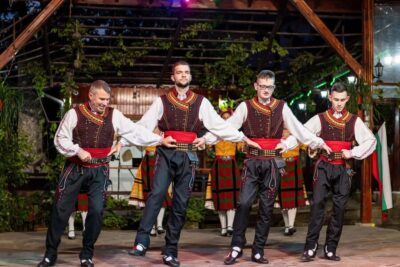
Private Sofia Night Tour with Bulgarian Folklore & Dinner
Read our review →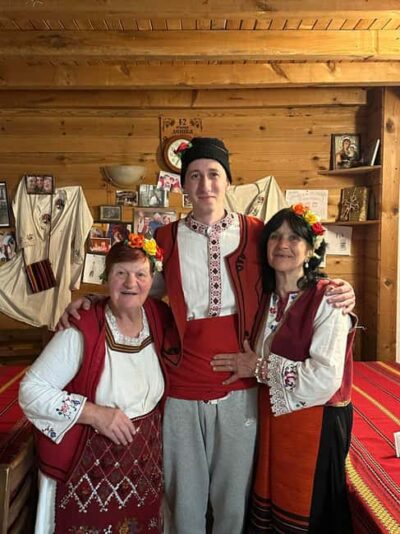
Browse the lists this tour appears in