
Review · BULGARIA
From Bucharest: Small Group Day Trip to Medieval Bulgaria
Medieval Bulgaria is closer than you think. This long but rewarding day trip crosses the Danube from Bucharest to Ivanovo’s rock churches and the old Bulgarian capital of Veliko Tarnovo, then adds Tsarevets Fortress and Arbanassi Village. I like the strong mix of major sights and local detail, especially the chance to see working artisan shops rather than only polished museums.
I also like the care provided by the guides. Pavel, Tudor, Carmen, Coco, Marius, and several others have been praised for clear explanations, safe driving, good timing, and a welcome sense of humor. The main catch is simple: 12 hours is a long day, and much of it is spent on the road. You need to accept a busy schedule and limited free time in Veliko Tarnovo.
In This Review
- The essential points at a glance
- Why this Bucharest day trip is worth the long drive
- Crossing the Danube from Bucharest
- Ivanovo Rock Churches and their 13th-century paintings
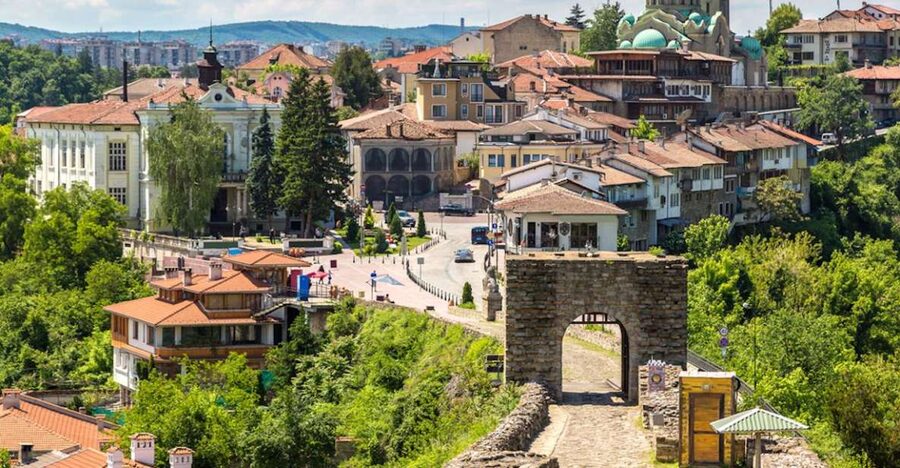
- Veliko Tarnovo, Bulgaria’s former imperial capital
- Tsarevets Fortress on the hill
- Samovodene Artisans Street and family workshops
- Arbanassi Village and the Konstantsalieva House
- What the 12-hour schedule feels like
- Who should book this experience?
- Should you book the Bulgaria day trip from Bucharest?
- FAQ
- How long is the day trip from Bucharest to Bulgaria?
- Where does the tour begin?
- Does the tour cross the Danube River?
- Do I need my passport?
- What language is the tour conducted in?
- Is lunch included?
- Are entrance tickets included?
- What is the main historical site on the tour?
- What can I see at Ivanovo?
- Can I cancel the booking?
The essential points at a glance
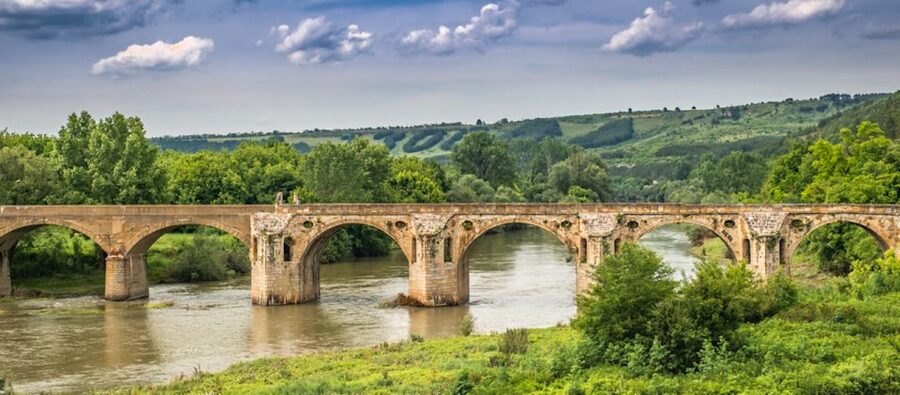
- The Danube crossing turns a city break into an international day out: You leave Bucharest, cross the Friendship Bridge, and enter Bulgaria by road.
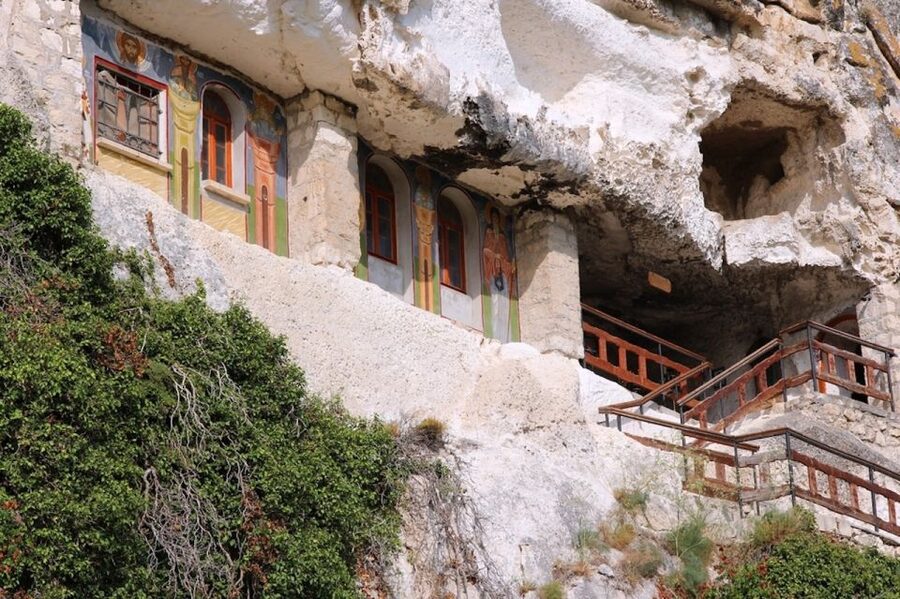
- Ivanovo’s churches are carved into a gorge: Medieval chapels, cells, and churches sit in the cliffs beside the Roussenski Lom River.
- Tsarevets is the main event: The hilltop fortress includes the remains of the royal palace, Patriarchal Church, and Emperor Balduin’s Tower.
- Samovodene Street adds living craft traditions: You can see Bulgarian family workshops, including a functioning coppersmith’s shop.
- Arbanassi shows a different side of Bulgarian heritage: Its old houses and churches reflect the wealth of merchants and nobles from earlier centuries.
- The day demands stamina: Expect walking, steps, border formalities, and a late return to Bucharest.
Why this Bucharest day trip is worth the long drive
At $87 per person, this is good value if you want to reach northern Bulgaria without arranging transport, border crossings, parking, and several separate admissions yourself. The price includes a licensed private guide and pickup and drop-off at centrally located Bucharest hotels, hostels, and accommodations.
It does not include lunch, entrance tickets, or photo fees. Those extra costs matter, so I would not treat $87 as the complete spend. Still, the transport alone covers a substantial distance, and a guide gives you useful context during the long road sections.
The tour also works well for a first look at Bulgaria. You see a UNESCO World Heritage Site, a former imperial capital, a major fortress, a craft street, and a historic village in one day. That is a lot of ground, but it gives you a clear sense of the country’s medieval and religious traditions.
The trade-off is time. You are not getting a slow, wandering visit to Veliko Tarnovo. One traveler found there was too little time to shop after lunch, while another suggested staying overnight to explore the city properly. I agree with that distinction: this is an excellent sampler, not a relaxed regional tour.
More Day Trips in Bulgaria:
- From Bucharest: Full-Day Trip to Bulgaria
★ 4.6 · 1,008 reviews - From Sofia: Rila Monastery and Plovdiv Town Full-Day Trip
★ 4.8 · 382 reviews - Plovdiv – Group Day Trip from Sofia
★ 4.5 · 304 reviews
Crossing the Danube from Bucharest
Pickup takes place at your centrally located accommodation. The exact starting time depends on availability and border conditions, but you should expect an early start. A maintenance project on the bridge beginning July 9, 2024 required earlier departures than usual, and border traffic can affect the schedule.
You need your passport. The crossing involves leaving Romania and entering Bulgaria, then crossing back later. Non-EU citizens should check that their visa allows multiple entries into Romania. This is not a minor detail, since an unsuitable visa could cause serious trouble on the return journey.
The drive south gives your guide time to explain Romania and Bulgaria before the main stops. Several guides, including Tudor, Carmen, Coco, Victor, and Razvan, have been praised for filling the journey with historical stories, practical advice, and humor. That matters on a day when the vehicle is part of the experience for many hours.
The transportation has generally been described as clean and comfortable, with drivers such as Marius, Gabi, Gabriel, Vlad, and Alin receiving praise for punctuality and careful driving. You should still prepare for a road-heavy day. Bring water, snacks, and something to occupy you between stops.
Ivanovo Rock Churches and their 13th-century paintings
The first major stop is near the village of Ivanovo, where medieval churches, chapels, monastic cells, and other religious spaces were cut into the cliffs of the Roussenski Lom River gorge. The setting is unusual even before you reach the art. You walk toward rough rock walls, then find human-made rooms tucked into the stone.
The surviving inscriptions and portraits of saints date from the 13th century, with restored elements helping you understand the original decoration. The churches are important not simply because they are old, but because the site shows how religious communities used difficult terrain for prayer, study, and retreat.
This stop is especially rewarding if you like places where architecture and nature work together. There is no grand freestanding cathedral here. Instead, the cliff itself forms the walls, roof, and protective shell.
Allow for walking and uneven ground. One summer visit included a longer approach because of a local festival and parking restrictions, which made the heat more difficult. A hat and sturdy shoes are sensible, particularly from late spring through summer.
The churches can also set the tone for the whole day. They are quiet, remote, and rooted in medieval Bulgarian religious life. After this, the tour shifts from monastic solitude to the urban and royal center of Veliko Tarnovo.
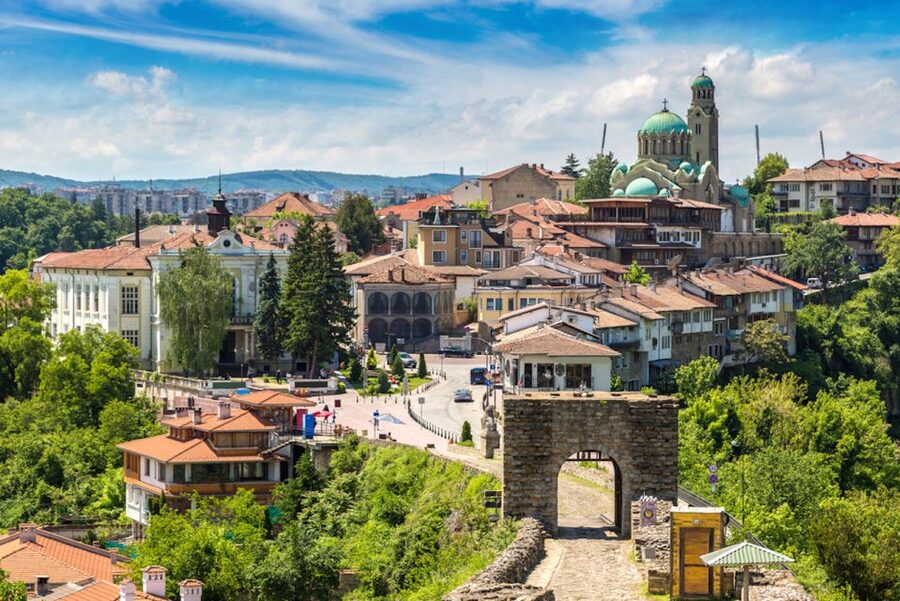
Veliko Tarnovo, Bulgaria’s former imperial capital
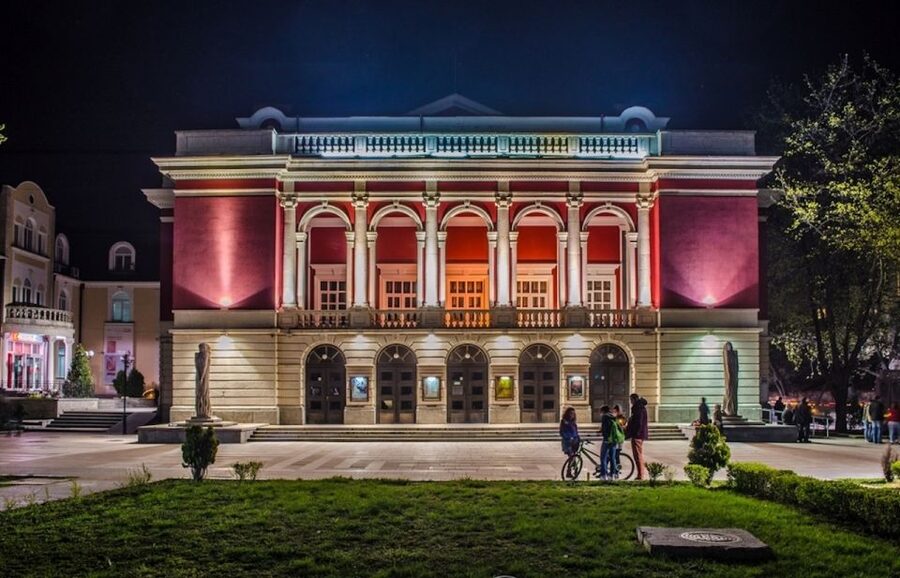
Veliko Tarnovo was the capital of the Second Bulgarian Empire, and the city’s position around steep hills and river bends helps explain its defensive importance. It is not a flat, easy-to-cover town. You will walk uphill, climb steps, and move between viewpoints and historic areas.
The city also has a modern side, with museums, university life, restaurants, and evening activity. The tour gives you only a short taste of this broader character. You may see the central streets and have lunch, but shopping time can be tight if the group has already spent time at the fortress or arrives later than planned.
Your guide is particularly useful here. A good explanation turns scattered walls and stone foundations into a story about rulers, churches, battles, and court life. Several guides have been praised for making complex events easy to follow, while still keeping the mood light.
I would listen carefully during the orientation, then note where you want to return if you later spend a night in town. The one-day format gives you the main sites, but it cannot offer the unhurried pace of an overnight visit.
Elsewhere in Bulgaria, a very different sort of day:
- From Sofia: Rila Monastery & Boyana Church Day Tour
★ 4.7 · 5,107 reviews - From Sofia: Must-See Rila Monastery & Boyana Church Day Tour
★ 4.6 · 3,322 reviews - From Sofia: Guided Day Tour of Plovdiv’s Must-See Sights
★ 4.6 · 1,688 reviews - From Sofia: 7 Rila Lakes and Rila Monastery Extended Trip
★ 4.7 · 1,189 reviews
Tsarevets Fortress on the hill
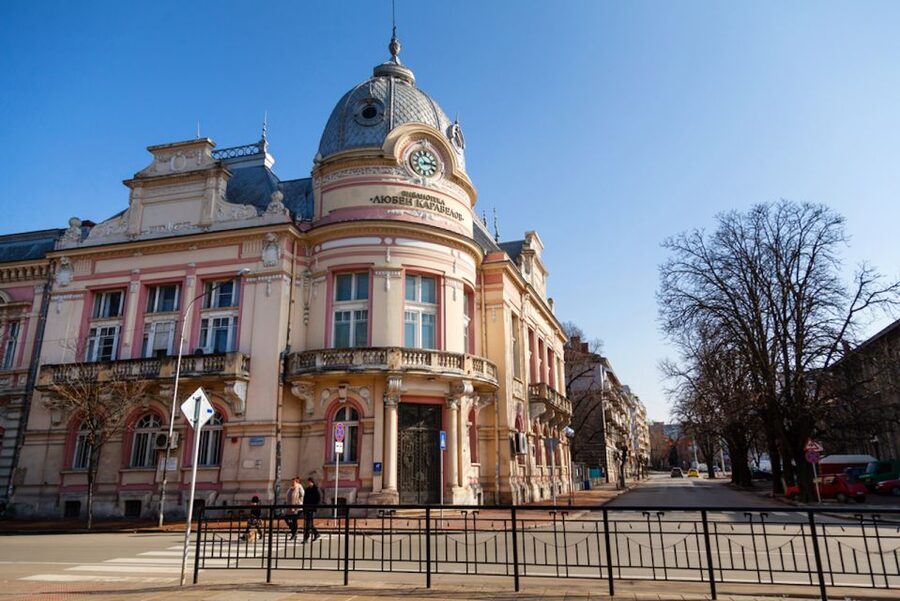
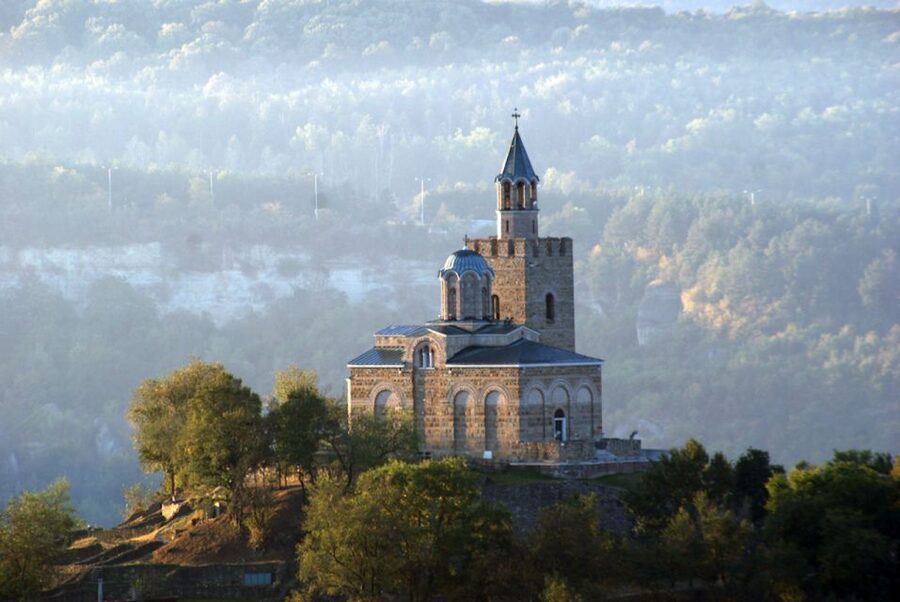
Tsarevets Fortress is the strongest sight of the day for many people. The complex occupies a hill above Veliko Tarnovo and includes the remains of the royal palace, the Patriarchal Church, defensive walls, and Emperor Balduin’s Tower.
The climb gives you a physical sense of the site’s power. You are not looking at a castle isolated on level ground. You are moving up through a fortified hill, with views back across the city and surrounding countryside.
The ruins require some imagination, since you are seeing remains rather than complete medieval rooms. That is where the guide’s explanation earns its place. The fortress becomes much more meaningful when you understand which areas belonged to the Bulgarian kings and which served religious or defensive purposes.
Give yourself time for the steps. The walking can be demanding in hot weather, and one visitor chose to rest under a tree rather than continue in the midday heat. That is perfectly reasonable. The fortress is worth seeing, but you do not need to exhaust yourself to prove it.
At the top, the Patriarchal Church provides a striking contrast to the older stonework. The church is part of the fortress story, but the hilltop views are also a major part of the appeal. Bring shoes with a firm grip and keep your pace steady.
Samovodene Artisans Street and family workshops
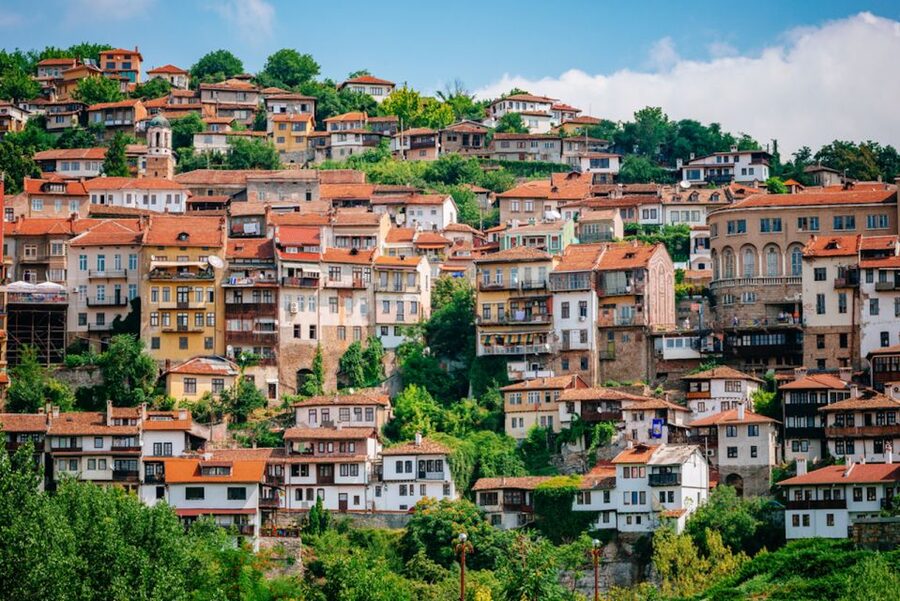
Samovodene Artisans Street gives the itinerary a welcome human scale. Instead of looking only at royal ruins, you can pass workshops run by Bulgarian families who preserve older crafts.
The most specific stop is a working coppersmith’s workshop. You may see copper plates and cups being made, including the small vessels associated with Turkish coffee. The point is not just to buy a souvenir. It is to see how a traditional object is produced and to understand that craft remains part of local identity.
Other workshops may include a silversmith, icon painter, and additional artisans. The exact experience can vary, but the street offers a chance to look closely at tools, materials, and handmade work.
This is also where you should be realistic about time. The itinerary is full, and you may have only a short period to browse. If you are hoping to shop slowly or compare several pieces, an overnight in Veliko Tarnovo would serve you better.
Still, I value this stop because it keeps the tour from becoming a parade of ruins. You get a connection to people working in the present, not only stories about people who lived centuries ago.
Arbanassi Village and the Konstantsalieva House
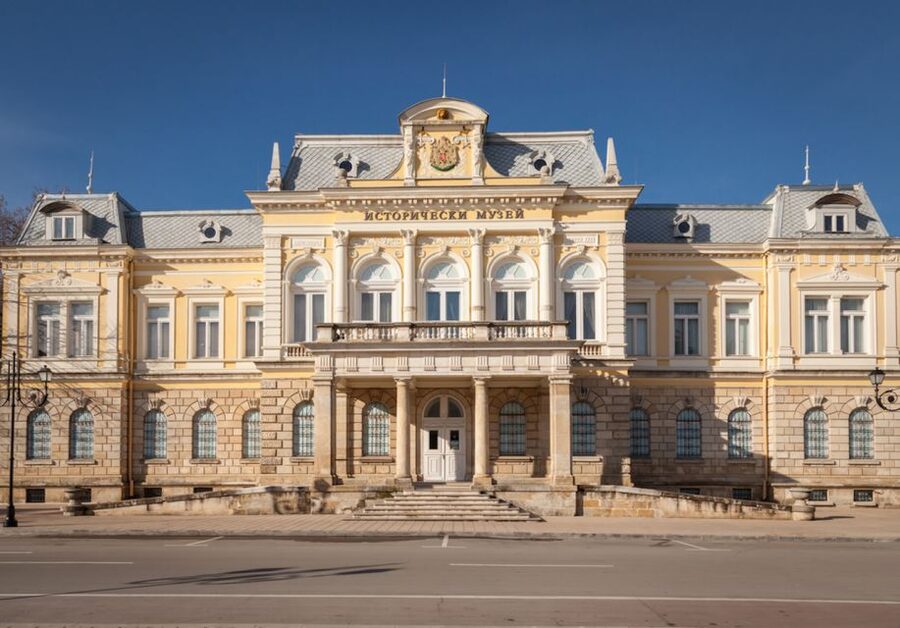
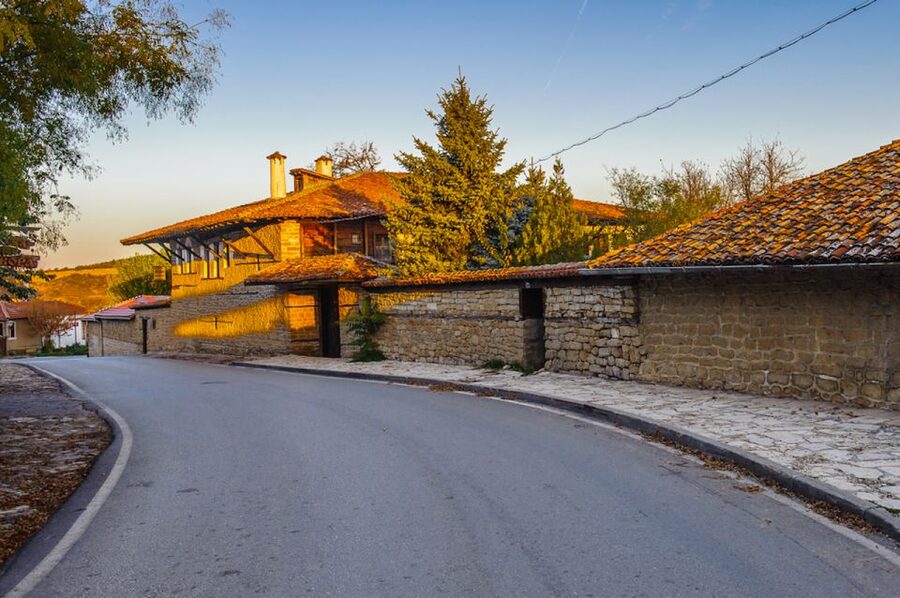
The road then climbs toward Arbanassi, an architectural reserve known for old houses and churches dating as far back as the 16th century. Its setting and built character differ from Veliko Tarnovo, and the village helps show how wealthy merchants and nobles lived away from the main city.
The Konstantsalieva House is the key interior visit. It offers a look at the comfortable but restrained life of a wealthy 17th-century merchant family. The house helps you picture domestic life, status, security, and trade in a way that a fortress cannot.
Arbanassi is the most mixed part of the itinerary. Some visitors find it appealing and atmospheric, while others feel the stop does not seem as authentic as the rock churches or fortress. One practical issue is that the tour may pass through parts of the village by van rather than give you a long independent walk.
I would treat Arbanassi as a supporting stop rather than the main reason to book. If historic houses and churches interest you, it adds useful context. If your priority is maximum time in Veliko Tarnovo, Arbanassi is the part you may wish to trade for a longer city visit.
Lunch takes place at one of the local restaurants, and the meal is not included. Guides can suggest places serving Bulgarian food, and past meals have included distinctive local dishes such as horse meatballs. Bring cash or exchange money before you need it. One useful tip from the day is to carry Bulgarian currency, since card payment should not be assumed at every stop.
What the 12-hour schedule feels like
This is a concentrated day, not a leisurely excursion. You leave Bucharest, cross an international border, visit a remote religious site, walk through Veliko Tarnovo, climb a fortress hill, visit artisan workshops, reach Arbanassi, eat lunch, and return to Romania.
The small-group format helps. A good guide can keep people together, explain meeting points, and adjust when someone needs a pharmacy stop or a photograph. Tudor was praised for keeping a group of 20 organized, so the phrase small group may not always mean a tiny party. Ask about the expected group size if that affects your decision.
The guides are one of the tour’s strongest features. English is the stated language, and guides have been praised for clear communication and strong historical explanations. One guide also spoke Spanish, which helped Spanish-speaking visitors. The named guides vary, so you cannot book a particular person unless the operator confirms it.
The return drive can feel long after a full day of walking. That is the price of reaching Veliko Tarnovo from Bucharest in one day. If you want a more restful schedule, stay overnight in Veliko Tarnovo instead. If you have only one free day and want a broad introduction, the packed format makes sense.
Who should book this experience?
I would choose this trip if you are staying in Bucharest and want to add Bulgaria without planning a separate multi-day route. It suits people who enjoy history, fortress walks, religious art, traditional crafts, and guided travel.
It is also a good fit if you prefer having transport and border arrangements handled for you. The drivers have been praised for safe road work, and the guides provide useful help with currency, meeting points, lunch, and unexpected needs.
I would hesitate if you dislike long drives, hot-weather walking, or fixed schedules. Families with children should consider the steps and the length of the day, though the itinerary can be taken at an individual pace at some sites. Anyone hoping for extensive shopping or a full exploration of Veliko Tarnovo should spend at least one night there instead.
Cancellation is free up to 24 hours before departure, and you can reserve now and pay later. Those terms make it easier to hold a place while checking your border documents and plans.
Should you book the Bulgaria day trip from Bucharest?
Book it if you want a well-organized first taste of northern Bulgaria and accept that the road journey is part of the deal. The Ivanovo Rock Churches and Tsarevets Fortress provide the strongest historical payoff, while the artisan street adds a more local touch.
Do not book it expecting a slow city break. You will see a great deal, but you may have little time for shopping or independent wandering. For most people with only one day available, the $87 starting price is fair, provided you budget extra for lunch and admissions. For anyone with more time, an overnight in Veliko Tarnovo would be the better way to enjoy the city at an easier pace.
FAQ
How long is the day trip from Bucharest to Bulgaria?
The experience lasts 12 hours, including the drive from Bucharest, the border crossing, sightseeing in Bulgaria, and the return journey.
Where does the tour begin?
Pickup is provided from centrally located hotels, hostels, and other accommodations in Bucharest.
Does the tour cross the Danube River?
Yes. You cross the Danube using the Friendship Bridge before entering Bulgaria.
Do I need my passport?
Yes. You need your passport for the border crossings. Non-EU citizens should confirm that their visa permits multiple entries into Romania.
What language is the tour conducted in?
The stated tour language is English. Some guides may speak additional languages, including Spanish, but this should not be assumed for every departure.
Is lunch included?
No. Lunch is not included in the price. You stop at a local restaurant, and the guide can suggest places serving Bulgarian food.
Are entrance tickets included?
No. Entry tickets for the listed attractions and photo fees are separate costs.
What is the main historical site on the tour?
Tsarevets Fortress is the main fortress visit. It includes the Patriarchal Church, Royal Palace remains, defensive areas, and Emperor Balduin’s Tower.
What can I see at Ivanovo?
You can see medieval churches, chapels, monastic cells, inscriptions, and portraits of saints carved into the cliffs beside the Roussenski Lom River.
Can I cancel the booking?
Yes. You can cancel up to 24 hours in advance for a full refund. You can also reserve the experience and pay later.
Recently added around Bulgaria
- Winter hiking to Musala peak from Sofia★ 5.0 · 2 reviews
- Veliko Turnovo-Bulgarian old capital and Arbanasi★ 5.0 · 3 reviews
- Varna Echoes: Flavors, Footsteps, Tales & Wine tasting★ 5.0 · 3 reviews
- Veliko Tarnovo & Arbanasi Full day tour★ 5.0 · 5 reviews
- UNESCO Thracian Tomb of Kazanlak and Buzludzha monument★ 5.0 · 2 reviews
- Varna: Archaeological Museum Ticket & E-Guide★ 4.8 · 8 reviews
- Monasteries and Waterfalls Tour from Veliko Tarnovo★ 5.0 · 8 reviews
- Guide and Entrance for the Mini Bulgaria Park near Veliko Tarnovo★ 5.0 · 2 reviews