
Review · FOOD & DRINK
Food Walk Plovdiv: Bulgarian Food and Culture Tour
Come hungry, and let Plovdiv feed your curiosity. This three-hour walk joins food with everyday culture, taking you from a central meeting point to a local market, traditional food stops, and a restaurant. I especially like the small maximum of 10 people and the chance to taste items you might otherwise miss, such as mekitsa with lyutenitsa, kyopolou, and Bulgarian honey.
I also like the human side of the tour. You meet local sellers, hear stories about what Bulgarians eat, and may even get a small budget for a market purchase, turning a simple market visit into a friendly practical challenge. The main consideration is the amount of food: at $58 per person, the value is strongest if you arrive very hungry and want a guided tasting rather than a quick snack walk. One session finished in about two and a half hours, although the advertised duration is three hours.
In This Review
- Five things to know before you book
- Starting at Unification Square at 10 o’clock
- The market is more than a photo stop
- Banitsa and the breakfast foods of Bulgaria
- Honey, halva, and the sweet side of the walk
- Sausages, spreads, and a local restaurant
- The stories make the food easier to remember
- How much food do you actually get?
- Dietary needs and practical limits
- Who should book this Plovdiv food walk?
- Should you book Food Walk Plovdiv?
- FAQ
- Where does the Food Walk Plovdiv begin?
- What days does the tour operate?
- What time does the tour start?
- How long does the tour last?
- How much does the tour cost?
- How many people can join?
- What language does the guide speak?
- Is food included in the price?
- Can vegetarians and vegans join?
- What is the cancellation policy?
Five things to know before you book
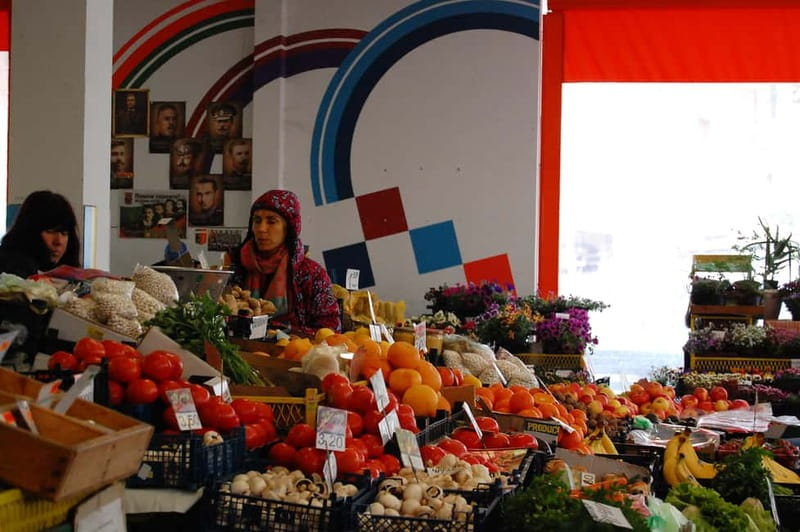
- The Thursday Market can be a highlight: You may visit a local market, sample herbs and seasonings, and try a playful bit of Bulgarian conversation while buying something with the tour budget.
- The tasting list is substantial: Banitsa, mekitsa, pirozhka, sausages, spreads, halva, fruit, nuts, herbal tea, airyan, and honey are included.
- Daniel receives especially warm praise: His English, food knowledge, humor, and willingness to answer questions have made a strong impression. Other guides, including Liam, have also led engaging walks.
- The group stays intimate: With no more than 10 participants, you can ask questions and keep up with the guide more easily than on a large coach tour.
- Book it early in your Plovdiv stay: The restaurant advice and food explanations can help you make better choices for the rest of your visit.
Starting at Unification Square at 10 o’clock
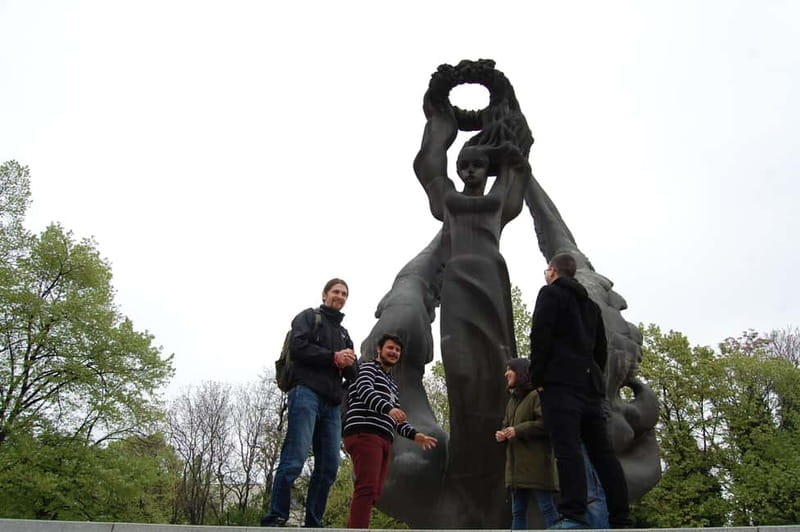
The Food Walk begins on Friday, Saturday, or Sunday at 10 o’clock. Your guide waits between the statue and the Archaeological Museum, looking east. That instruction matters because Unification Square is open and central, and a precise landmark saves you from wandering around asking for a tour group.
The starting point puts you near the heart of Plovdiv, so the walk can move into the city without transport. You should wear comfortable shoes, though this is not presented as a strenuous hike. Bring hand sanitizer or tissues, especially since the route includes market food and several tastings.
A morning start works well for Bulgarian food. You will have enough time to eat your way through the stops before lunch, but you should not treat this as a light breakfast stroll. The advice to skip breakfast is sensible. Banitsa, mekitsa, sausages, spreads, sweets, fruit, and drinks add up quickly.
The guide speaks English. Daniel has been particularly praised for clear English, good conversation, and his ability to explain food alongside history and culture. Since the specific guide can vary, I would book this walk for its format and content first, while treating Daniel as a welcome bonus if he is leading your date.
More Walking Tours in Plovdiv
- Private city walking tour of Plovdiv
★ 5.0 · 65 reviews - Plovdiv: Guided Walking Tour
★ 4.3 · 41 reviews - Food Walk: Bulgarian Food and Culture Tour in Plovdiv
★ 5.0 · 35 reviews
The market is more than a photo stop
The market portion gives the walk its strongest local feel. You are not simply shown a row of stalls and hurried along. The point is to understand what people buy, how ingredients are used, and how food fits into ordinary Bulgarian life.
A visit to the Thursday Market has been singled out as a favorite part of the experience. The tour runs on Friday, Saturday, and Sunday, so the exact market setup may depend on the day and current opening arrangements. You should ask your guide what market you will visit when you meet.
One especially useful feature is the chance to interact with sellers. A market budget may be provided, giving you a small task: choose something, ask about it, and try a little Bulgarian. That turns the stop into more than sightseeing. You get a feel for the small negotiations and friendly exchanges that make a market work.
You might taste sharena sol, a Bulgarian herb and spice blend, along with fresh herbs or other seasonal products. These are modest ingredients, but they explain a lot about local cooking. A pinch of seasoning or a spoonful of a spread can tell you more about a household kitchen than a long museum label.
The market can also be the least predictable part of the morning. Seasonal stock, seller availability, and the day of the week can affect what you see and taste. If you want a fixed menu with no surprises, this may feel loose. I see that as part of its value, provided you are comfortable with a little flexibility.
Banitsa and the breakfast foods of Bulgaria
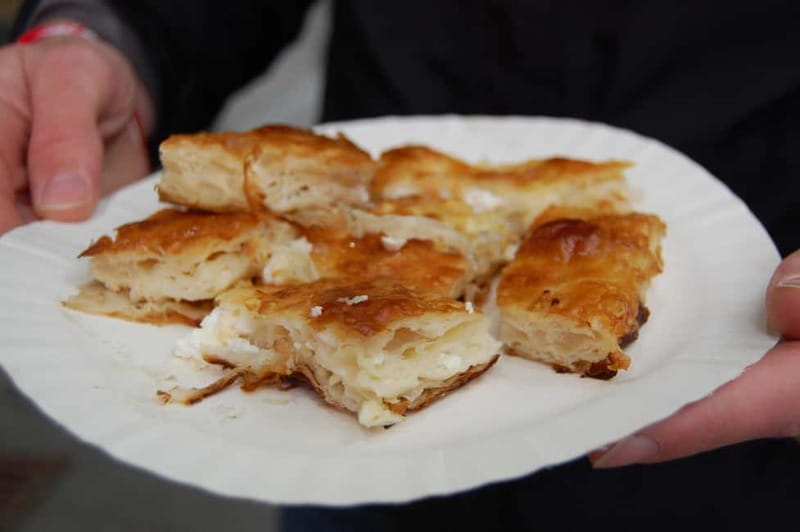
Banitsa is one of the essential tastes on this walk. This pastry is made with layers of dough and filling, often cheese, and it is a familiar Bulgarian breakfast or snack. It is filling, savory, and easy to understand even if you are new to the cuisine.
Mekitsa offers a different texture. It is a fried dough that can be served in sweet or savory ways. One particularly appealing pairing from the food stops is mekitsa with lyutenitsa, a Bulgarian pepper and vegetable spread. The combination gives you crisp, soft, smoky, and slightly sweet notes in one bite.
Pirozhka adds another dough-based snack to the route. The name may be familiar across Eastern Europe, but local preparation and filling can vary. This is a good example of how the walk puts Bulgarian food into a wider regional setting without reducing it to a list of national symbols.
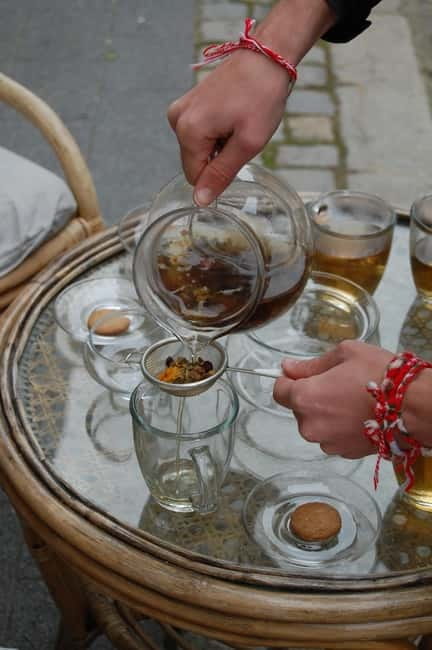
The tour also includes airyan, a cool yogurt drink common in the region. Its mild tang makes sense beside pastry and fried dough, and it gives your palate a break from heavier foods. Seasonal local herbal tea provides a warmer, gentler drink option.
I like this part of the food plan because it covers everyday food rather than only restaurant dishes. You are tasting what might appear at breakfast, in a bakery, at a market stall, or on a casual table. That is more useful than being served only polished dishes designed for visitors.
Honey, halva, and the sweet side of the walk
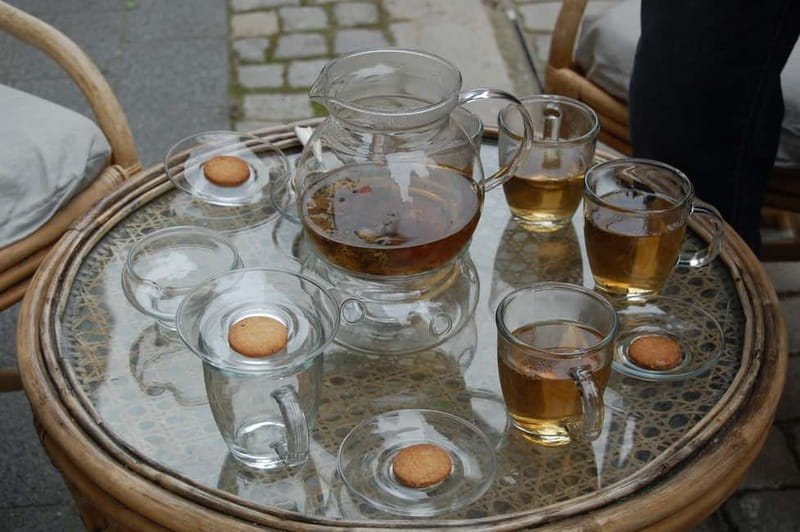
The honey tasting is one of the clearest features of this experience. You get a full local honey degustation, not merely a spoonful added to tea. The supplied information does not specify the number or type of honeys, so you should not expect a fixed lineup. Still, a guided honey tasting can show how color, aroma, and sweetness vary between products.
Honey also gives the guide an easy way to connect food with place. It is a simple ingredient, but it carries information about flowers, farming, seasons, and local taste. Ask questions if the guide offers comparisons, because this is one of the stops where a little explanation makes a familiar food more interesting.
Halva supplies a denser, sweeter finish. Bulgarian halva may be made with sesame or other ingredients, and the exact version served here is not stated. You may also try fresh fruit and nuts, which add a lighter contrast to the pastries and sweets.
The order of the tastings can affect how you experience them. If sweets arrive early, later savory dishes may seem less vivid. Your guide will manage the sequence, but it is worth pacing yourself. Take small portions when possible, especially if you want to enjoy the restaurant stop rather than reach it already full.
More Food Tours in Plovdiv:
- Thracian Valley wine tasting – private day tour from Plovdiv
★ 5.0 · 4 reviews - Plovdiv Exquisite Wine Tasting
★ 5.0 · 2 reviews - Sofia: Wine & Cheese Tasting Experience
★ 4.9 · 674 reviews - Wine Tasting in Heart of Sofia
★ 5.0 · 545 reviews
Sausages, spreads, and a local restaurant
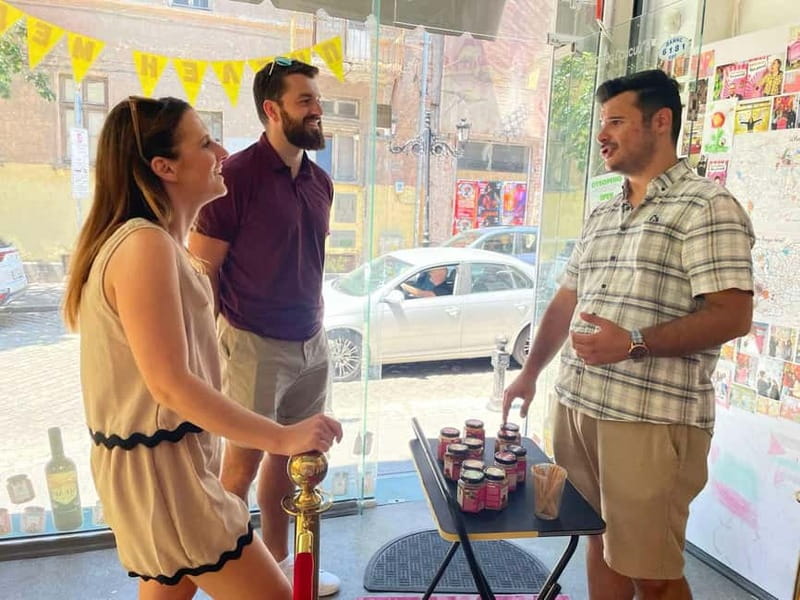
Traditional sausages bring a more savory and substantial part of Bulgarian cooking to the walk. You also taste Bulgarian spreads, with lyutenitsa and a roasted eggplant dip such as kyopolou among the memorable possibilities.
Kyopolou is especially useful for understanding the range of Bulgarian food. Its smoky eggplant character can remind you of baba ganoush, but it has its own profile and often includes peppers, garlic, or other vegetables. One highly praised tasting found it even more appealing than baba ganoush, which is a strong recommendation for anyone who likes vegetable dips.
The restaurant stop gives you a chance to sit down and see how these flavors work in a more complete setting. The available details do not name the restaurant or promise a particular dish, so I would not book expecting a formal multi-course meal. Think of it as one part of a moving tasting route, with a local restaurant included to round out the food experience.
This stop also helps you make sense of dining in Plovdiv after the tour. Daniel has offered restaurant suggestions and answered questions about where to eat. That practical advice can be worth more than another sample, especially if you have only a short stay and want to avoid choosing at random.
The one drawback is pace. A three-hour walk with market stops, tastings, stories, and a restaurant visit can feel full. If you prefer long meals or time to browse each stall, you may wish the schedule were slower. If you like variety and steady movement, the pace should suit you.
The stories make the food easier to remember
Food tours work best when the guide explains why a dish matters. Here, the aim is to connect traditional foods with Bulgarian culture, Plovdiv’s past, and modern local habits. The guide may discuss ingredients, preparation, market customs, or the way older foods fit into life today.
Daniel has been praised for combining food knowledge with stories about Plovdiv, history, and other topics. His style appears conversational rather than lecture-heavy. That matters in a small group, where you can ask about a dish, compare it with food from home, or stop for a quick explanation.
A quiz about products and food facts has also been part of at least one version of the experience. It is a simple idea, but it keeps the morning active. Instead of listening passively, you have to look, taste, and make guesses.
The walk can also introduce you to parts of Plovdiv you might pass without noticing. The route includes traditional places in the city, and the food provides a reason to pause. You may see lovely sections of town while moving between stops, but this is not a dedicated sightseeing tour. If you want detailed coverage of Roman ruins, churches, or museums, book a separate city walk.
How much food do you actually get?
The included list is generous:
- Banitsa
- Seasonal local herbal tea
- Airyan
- Mekitsa
- Pirozhka
- Halva
- Fresh fruit
- Nuts
- Traditional sausages
- Bulgarian spreads
- Local honey tasting
These are not optional extras that you pay for along the way. The tasting cost is included in the $58 price, along with a licensed local guide.
The price makes the most sense when you value guidance and context. You could buy individual pastries and market foods for less, but you would not automatically get an English-speaking guide, a planned range of tastings, local introductions, or restaurant suggestions. For a first morning in Plovdiv, that combination can save you time and reduce guesswork.
The value is less clear if you already know Bulgarian food, prefer to choose your own restaurants, or eat very little in the morning. The menu is broad, and the tour is built around trying many things. I would compare it with the cost of a substantial breakfast and lunch in Plovdiv, then add what you would pay for a private or small-group guide.
Because the group limit is 10, the price also buys a more personal setting. One session continued with just one participant, and the guide still took the full time and answered questions. That suggests the format can remain personal even when the group is unusually small.
Dietary needs and practical limits
You must tell the provider about food allergies, vegetarian or vegan preferences, and other dietary needs before the tour. The listed foods include dairy, wheat, nuts, meat, and other ingredients that can matter for allergies or dietary choices.
The food list is not designed as a vegan menu. It includes traditional sausages, airyan, and likely dairy-based items, so a vegan participant should contact the provider before booking and receive clear confirmation about substitutions. Vegetarian visitors should also ask what can be changed.
The tour is wheelchair accessible, which makes it more open to people who need step-free access. The supplied details do not explain the exact surfaces, restroom arrangements, or restaurant layout, so I would ask the provider for those specifics if mobility access is important to you.
The free cancellation window is 24 hours before the activity for a full refund. You can also reserve now and pay later, which helps if your Plovdiv schedule is still taking shape. Starting times should be checked for your chosen date, even though the regular start is 10 o’clock.
Who should book this Plovdiv food walk?
I would recommend it to you if you enjoy tasting many small portions, asking questions, and meeting local people. It is especially useful on your first or second day in Plovdiv, when restaurant advice and a quick introduction to Bulgarian flavors can shape the rest of your visit.
It also suits solo visitors and couples who prefer a small group. The 10-person limit leaves room for conversation, and the walk does not depend on having your own Bulgarian language skills. The market task and food quiz add a little fun without turning the experience into a staged performance.
Families with older children may enjoy the variety, though the amount of walking and the unfamiliar flavors are worth considering. People with serious allergies should contact the provider before paying. You should also skip this tour if a large breakfast is part of your holiday routine, because you will want room for the food.
Should you book Food Walk Plovdiv?
Yes, if you want an approachable introduction to Bulgarian food with real market contact and a guide who can explain the details. At $58, the best value comes from the combination of included tastings, small-group attention, local stories, and practical restaurant advice.
I would book it early in a Plovdiv visit and arrive hungry. Confirm the guide, market plan, and dietary arrangements before the date. If you prefer a slow restaurant meal or a tightly fixed sightseeing route, choose something else. If you want to taste banitsa, mekitsa, kyopolou, honey, sausages, and everyday local food while getting your bearings in the city, this is a strong choice.
FAQ
Where does the Food Walk Plovdiv begin?
The meeting point is at Unification Square. The guide waits between the statue and the Archaeological Museum, looking east.
What days does the tour operate?
The Food Walk operates every Friday, Saturday, and Sunday.
What time does the tour start?
The tour starts from 10 o’clock. Check availability for the exact starting time on your chosen date.
How long does the tour last?
The advertised duration is three hours. One session was completed in about two and a half hours.
How much does the tour cost?
The price is $58 per person.
How many people can join?
The group is limited to a maximum of 10 participants.
What language does the guide speak?
The live tour guide speaks English.
Is food included in the price?
Yes. The listed tastings are included, including banitsa, herbal tea, airyan, mekitsa, pirozhka, halva, fruit, nuts, traditional sausages, Bulgarian spreads, and the honey tasting.
Can vegetarians and vegans join?
You must tell the provider if you are vegetarian or vegan. The listed menu includes meat and dairy, so ask about suitable options before booking.
What is the cancellation policy?
You can cancel up to 24 hours in advance for a full refund. A reserve-now, pay-later option is also available.
More Food in Plovdiv
- Sofia: Flea and Food Markets Tour
★ 4.8 · 63 reviews - Sofia Afternoon Walking Tour with Wine and Food Tasting
★ 4.5 · 43 reviews - Sofia Food & Tasting Tour with Communist-Era Tram Ride
★ 5.0 · 35 reviews - Superb Black Sea Yacht Picnic with Food & Drinks
★ 4.0 · 25 reviews
Recently added around Plovdiv
- Veliko Tarnovo – Arbanassi – Shipka Memorial Church – private tour from Plovdiv★ 4.5 · 6 reviews
- Tour from Plovdiv to Bachkovo,Asen Fortress and Wonderful Bridges★ 5.0 · 4 reviews
- Thracian Valley wine tasting – private day tour from Plovdiv★ 5.0 · 4 reviews
- Roman Plovdiv, Self-Guided Tour and Urban Quest Game★ 5.0 · 6 reviews
- Transfer Plovdiv to Sofia airport/city with a car 3+1★ 5.0 · 3 reviews
- Plovdiv Roman Sights Self-Guided★ 4.5 · 3 reviews
- Plovdiv – Buzludzha and the Thracian kingdom valley★ 5.0 · 3 reviews
- Plovdiv Exquisite Wine Tasting★ 5.0 · 2 reviews
Food & Drink, compared.
Special History And Wine Tour including Wine Tasting
Read our review →
Sofia Afternoon Walking Tour with Wine and Food Tasting
Read our review →
Food Walk: Bulgarian Food and Culture Tour in Plovdiv
Read our review →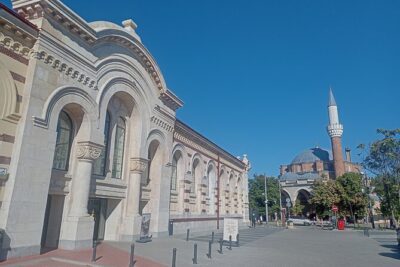
Sofia Food & Tasting Tour with Communist-Era Tram Ride
Read our review →Browse the lists this tour appears in