
Review · HISTORICAL TOURS
Sofia: History And Heritage – Small Group Guided Tour
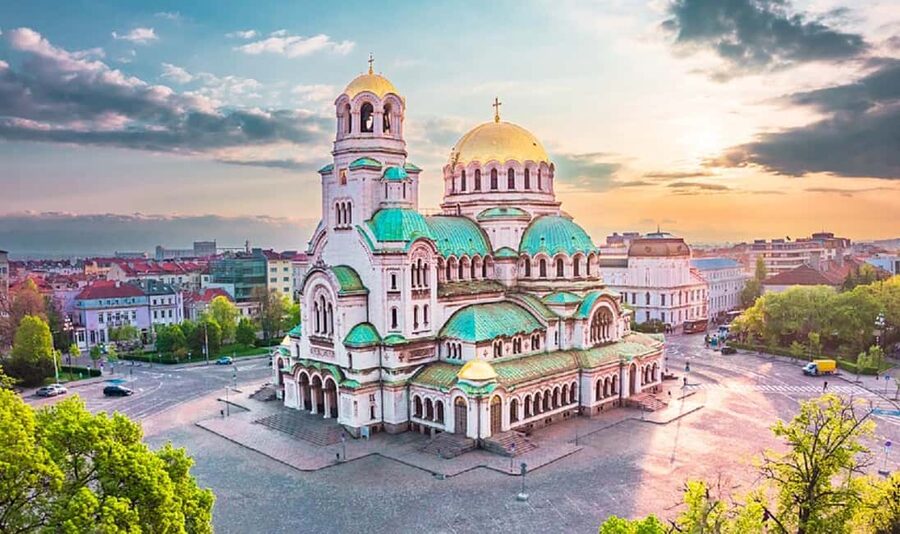
Sofia rewards curious walkers. This compact city tour brings together Alexander Nevsky Cathedral, Saint Sofia Basilica, and Saint George Rotunda, then links them to royal, Roman, communist, and modern Bulgaria. I like the small groups of no more than 10 people, and I like the price: $18 buys a lot of useful context in one morning or afternoon. The main drawback is the pace and length of the walk, which may be tiring if you have mobility limits or arrive in poor weather without proper shoes.
I also like that the tour runs even with one participant. That removes the usual worry that a small-group outing may be cancelled. Guides Vasil and Vessy receive especially warm praise for their humor, patience, local insight, photo stops, and food recommendations. The only point to watch is the timing: it is promoted as a two-hour tour, but the activity details also mention 150 minutes, so allow up to two and a half hours.
In This Review
- Key points at a glance
- Starting beneath Alexander Nevsky Cathedral
- Inside Sofia’s most important churches
- Roman Serdica beneath the modern capital
- Parliament, palace, theater, and the royal chapter
- The Largo, presidency, and the communist years
- A short café break in the middle
- What the guide adds to the experience
- Is $18 good value for Sofia?
- Who should book this walking tour?
- Final verdict: a strong first look at Sofia
- FAQ
- How long does the Sofia History and Heritage tour last?
- What is the price?
- Where does the tour meet?
- What language is the tour conducted in?
- How many people can join the small group?
- Does the tour operate with only one participant?
- Which churches are included?
- Is a café stop included?
- What should I bring?
- Can I cancel the booking?
Key points at a glance
- Three major churches in one walk: Visit Alexander Nevsky Cathedral and Saint Sofia Basilica, while also seeing Saint George Rotunda.
- A fast route through Sofia’s long story: The walk covers Roman Serdica, medieval and royal Bulgaria, communism, and today’s city center.
- Small group, clear conversation: Groups are capped at 10, and the tour operates even for a single participant.
- Strong local guiding: Vasil and Vessy are praised for clear explanations, humor, patience, and practical suggestions.
- Good first-day choice: You see the central layout and many key sights without spending a full day on your feet.
- Bring serious walking shoes: The route covers a lot of ground, and it operates in all weather.
Starting beneath Alexander Nevsky Cathedral
The meeting point is easy to identify: the stairs in front of Saint Alexander Nevsky Cathedral. Your guide carries a sign marked Sofia Tour, so you should not need to search the surrounding streets for a small office or shop.
This is a smart starting point. Alexander Nevsky is one of Sofia’s defining landmarks, and beginning here gives you an immediate sense of the city’s religious and national importance. Before the walk gets moving, the guide explains why the cathedral was built, a useful introduction to Bulgaria’s ties with Orthodox Christianity and its national story.
The square can be exposed in cold or wet weather. One person found the winter conditions extremely cold, while another appreciated that the guide continued despite rain and adjusted stops to limit exposure. Wear layers, check the local time carefully, and arrive ready to walk rather than treating this as a relaxed indoor visit.
More History Tours in Borovets:
- Full-day Nis and Serbian History Tour from Sofia
★ 4.5 · 90 reviews - Sofia: History and Heritage – Small Group City Tour
★ 5.0 · 84 reviews - Special History And Wine Tour including Wine Tasting
★ 5.0 · 63 reviews
Inside Sofia’s most important churches
The tour includes Alexander Nevsky Cathedral and Saint Sofia Basilica, with Saint George Rotunda also included among the city’s major churches. These stops give the walk its strongest sense of place.
Alexander Nevsky Cathedral is the grand, instantly recognizable landmark. Its scale makes it a natural anchor for understanding Sofia, but the guide adds the reason behind its construction rather than leaving you with only a photo opportunity. That extra explanation matters because national monuments often make more sense once you know the political and religious ideas behind them.
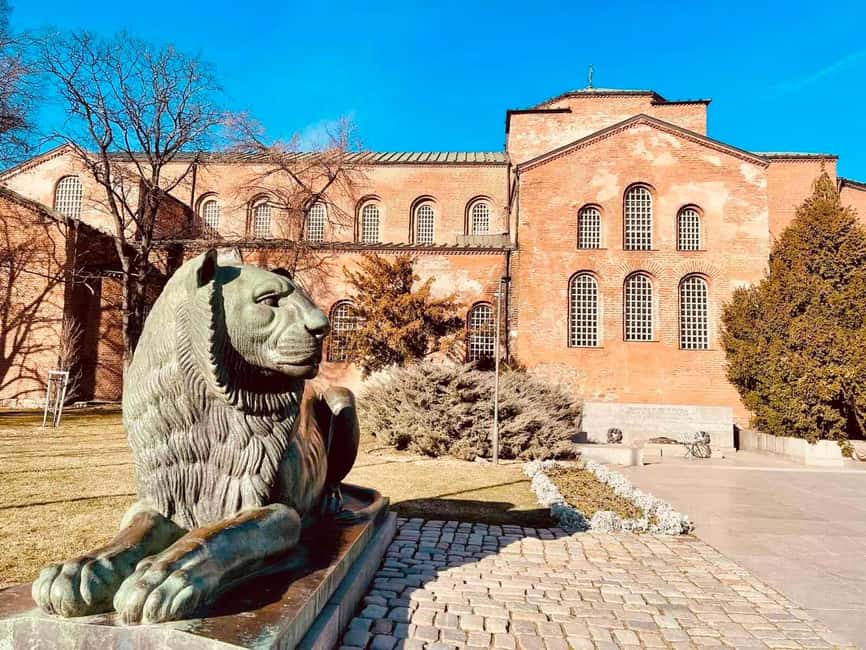
Saint Sofia Basilica offers a different experience. It is older, more restrained, and closely tied to the city’s name. The guide uses it to explain how Sofia developed over time, helping you connect the present-day capital with earlier layers of settlement and worship.
Saint George Rotunda is another change of mood. The small round church sits among later buildings and Roman remains, which makes it a useful example of Sofia’s habit of placing different centuries side by side. You are not simply moving from one church to another. You are watching the city’s past show up in unexpected corners.
The tour includes visits to Alexander Nevsky Cathedral and Saint Sofia Basilica. As with many walking tours, the exact amount of indoor time can depend on conditions and local access, so you should think of this primarily as a guided city walk with church visits, not a long museum-style church tour.
Roman Serdica beneath the modern capital
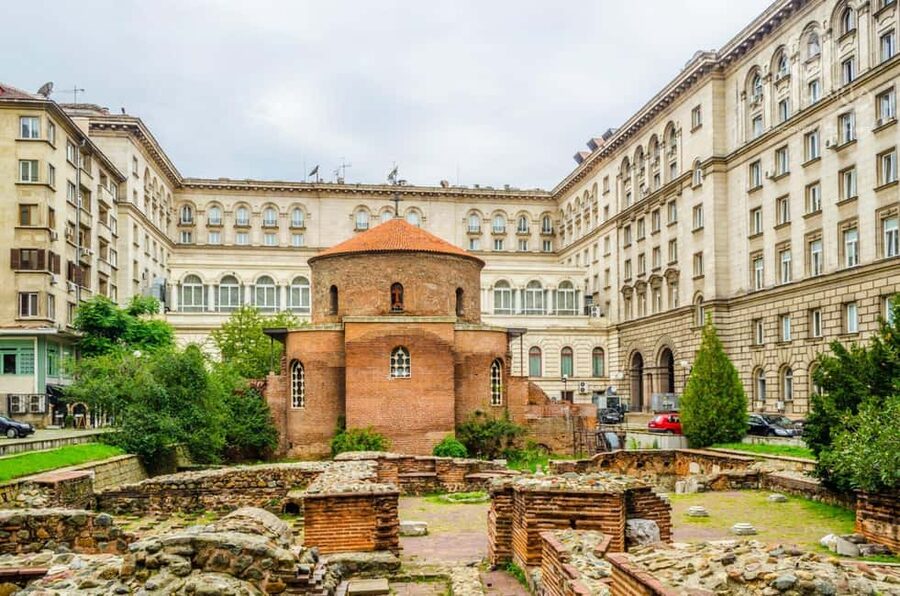
Sofia has a strong Roman thread, and this tour puts it near the center of the story. You see Roman remains, the Largo complex, and the old Baths while learning why the city was associated with Emperor Constantine the Great.
That background changes how you read the streets. Modern Sofia is not built on a blank canvas. Fragments of the ancient city appear beside government buildings, shopping areas, and busy central routes. The Largo complex is particularly useful for seeing how archaeological remains fit into the current city rather than sitting far away in a separate historical zone.
The old Baths add another piece to the picture. Even if you have already seen Roman ruins elsewhere in Europe, the value here is the connection between the remains and Sofia’s continuing urban life. The guide helps turn scattered stones and foundations into a story about how the city functioned.
This is also where the tour’s short format works well. You get enough explanation to recognize the important Roman sites later, without spending the entire day on archaeology. If Roman history is your main interest, you will probably want a longer museum visit afterward.
Parliament, palace, theater, and the royal chapter
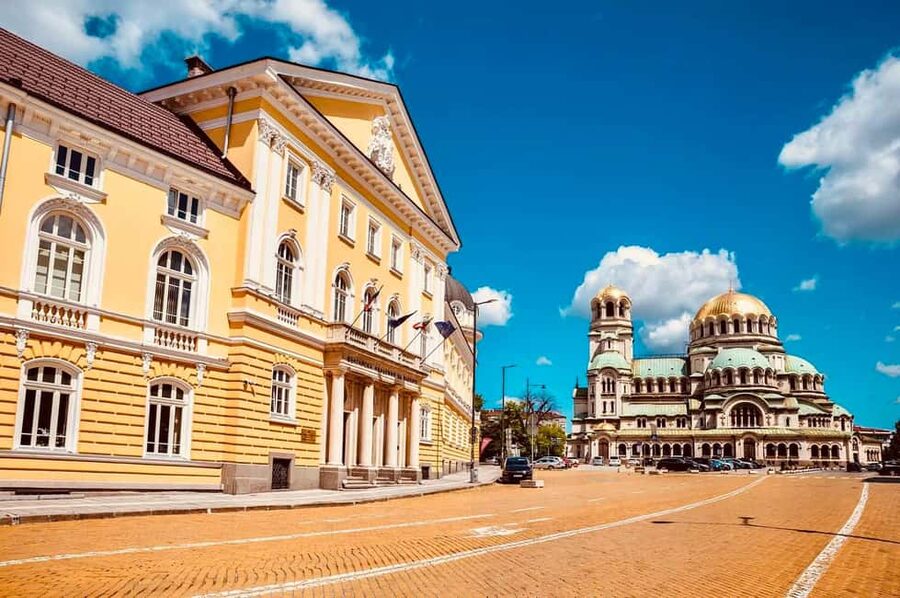
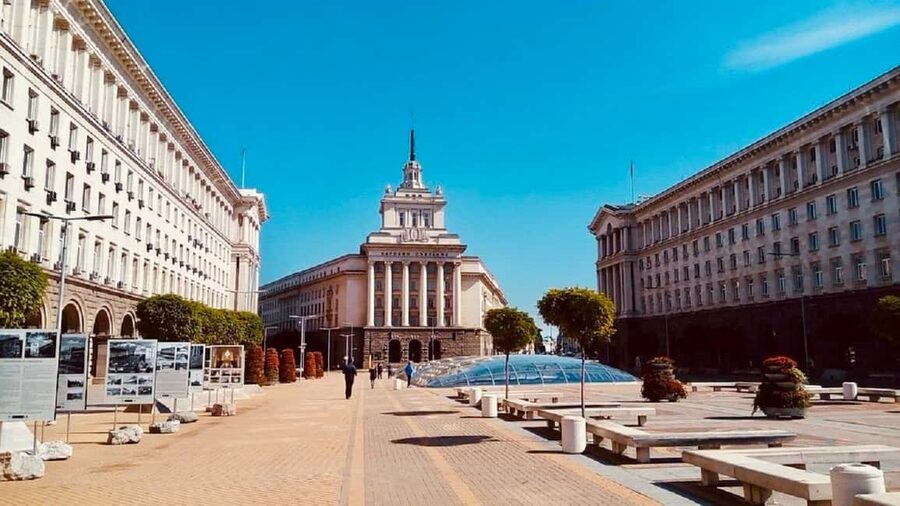
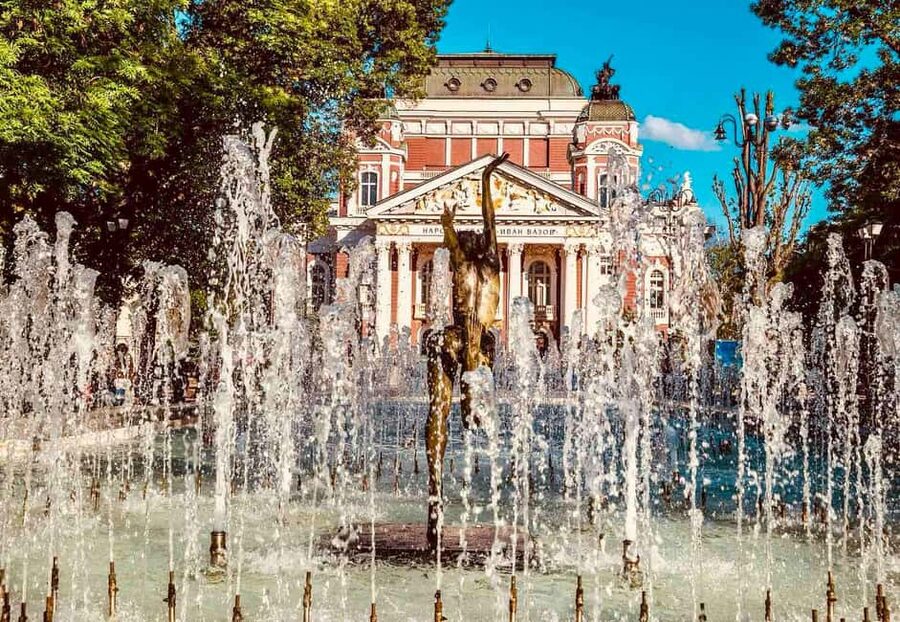
The route passes the old Parliament, the Sinod, the Library, the monument of the King Liberator, the former Royal residence, and the National Theater. Together, these stops explain how Sofia became a capital shaped by institutions, monarchy, culture, and public memory.
The old Parliament and the Sinod show the importance of political and religious authority. The Library and National Theater add a cultural layer, reminding you that Sofia’s identity is not only about rulers and wars. The monument of the King Liberator offers another point for discussing Bulgaria’s national history and its public monuments.
The old Royal residence is especially useful for travelers trying to understand the last Bulgarian royal family. The tour addresses what happened to the family, giving you a direct link between the monarchy and the later political changes of the twentieth century.
I appreciate this spread of subjects. You are not marched from one postcard view to the next. The walk asks you to look at buildings as evidence of changing power. The trade-off is that some stops are viewed from outside, and the tour cannot provide a full interior visit for every major building in such a short time.
A few more Borovets trips worth comparing
- Private Ski Lesson in Bulgaria
★ 5.0 · 92 reviews - Borovets: Private Ski or Snowboard Tuition
★ 5.0 · 54 reviews - Borovets: Deposit for Snowmobile Safari with Instructor
★ 4.5 · 43 reviews - 5-Day Ski Equipment Rental in Borovets
★ 5.0 · 36 reviews
The Largo, presidency, and the communist years
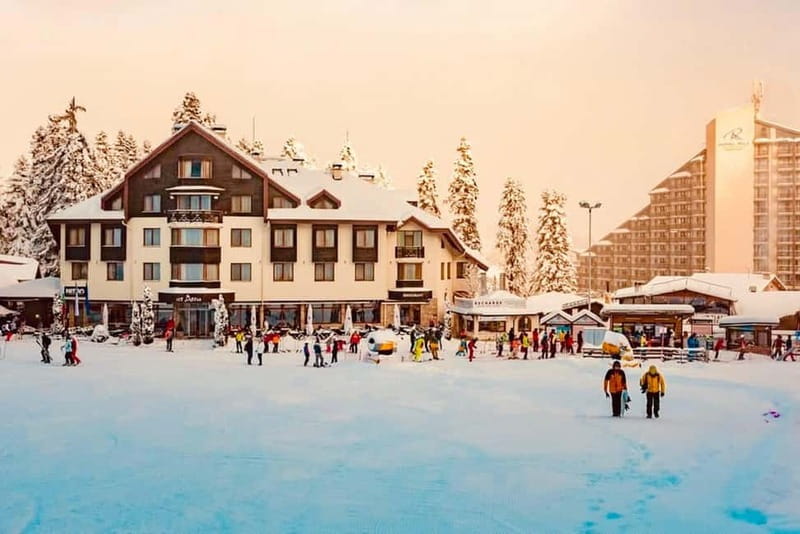
The Largo complex, the presidency, Roman remains, and the former location of the mausoleum of Bulgaria’s first communist dictator bring the twentieth century into the walk. This section helps explain the physical center of modern Sofia and the marks left by the communist period.
The mausoleum site is a particularly unusual detail. Many city tours mention grand monuments but skip the places that have disappeared. Knowing where the mausoleum once stood gives you a better sense of how political memory changes. A landmark can dominate a city for decades, then vanish, leaving only a site and a story.
The presidency adds a present-day political reference point. The guide also discusses the changing relationship between Bulgaria’s past and current public life, although the tour has a stated rule against discussing current geopolitical topics. That boundary is worth understanding: you can ask about historical events and institutions, but the guide will not turn the walk into a debate about present-day geopolitics.
This balance is sensible for a short international tour. It keeps attention on Sofia’s history and heritage while avoiding arguments that can pull a group away from the places in front of them.
A short café break in the middle
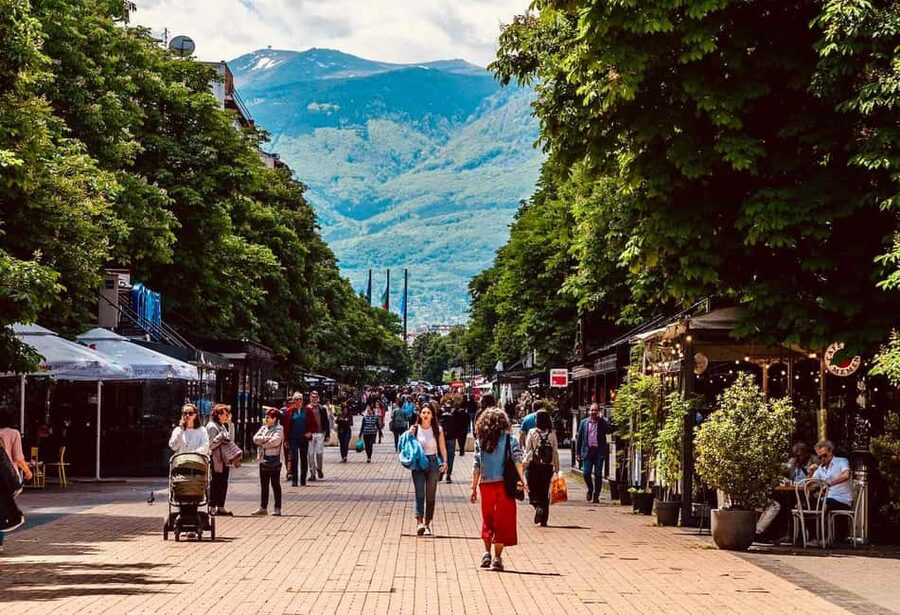
There is a brief cafeteria stop during the walk. It is not presented as a meal or a major food tasting, but it gives you a chance to refresh, warm up, and ask questions in a less hurried setting.
That pause matters more than it may seem. The route covers many sights, and the guide’s explanations can be dense. A short break helps you reset before the second half, especially in cold weather or after a brisk stretch of walking.
The tour ends with recommendations for traditional restaurants and museums if you want to continue exploring. These suggestions add practical value because the walk gives you a broad orientation, then points you toward places where you can spend more time.
Guides Vasil and Vessy are praised for local food advice. If you care about eating traditional Bulgarian dishes rather than settling for the first central restaurant you see, save time at the end for questions and write down the recommendations.
What the guide adds to the experience
The guide is the main reason to choose this walk over a self-guided loop. Vasil is repeatedly praised for explaining complicated Bulgarian history in clear language, answering questions fully, and bringing humor to the route. Vessy is also praised for her warmth, local insight, restaurant tips, and the thoughtful touch of taking photos for a solo participant.
The best part of this style of guiding is the connection between facts. You learn why a cathedral was built, how Sofia relates to Constantine the Great, who invented the Cyrillic alphabet, where the communist mausoleum stood, and what happened to the royal family. Those details cover different centuries, but a good guide makes them feel like parts of one long city story.
You should also feel free to ask questions. Several comments describe guides who took time to answer questions about art, architecture, culture, and politics in the historical sense. The small group makes that easier because you can hear the answer and do not have to compete with a crowd.
The guide can also adjust the walk when conditions change. In rain, the route may be modified slightly to keep people drier. In very cold weather, the tour still operates, so dress for the forecast rather than assuming the group will cancel.
Is $18 good value for Sofia?
At $18 per person, this is an easy value choice for many visitors. You receive a guided walk through the main center, visits to important churches, historical explanation at Roman and political sites, a café pause, and suggestions for restaurants and museums.
The cost is especially reasonable for solo visitors. Many private tours become expensive when you are alone, but this experience operates even with one participant. You also get the benefit of a small group without paying a full private-tour price, unless you choose the private option.
The value depends on what you want. If you prefer long indoor visits, a slow pace, or a specialist art and architecture tour, this walk may feel too broad. If you want a clear first look at Sofia and enough historical background to explore on your own, $18 is well spent.
The tour has a 4.8 rating from 309 reviews, and the strongest praise centers on the guides, organization, pace, and amount of information. The repeated point is not luxury. It is that the walk covers a surprising amount of central Sofia in a manageable period.
Who should book this walking tour?
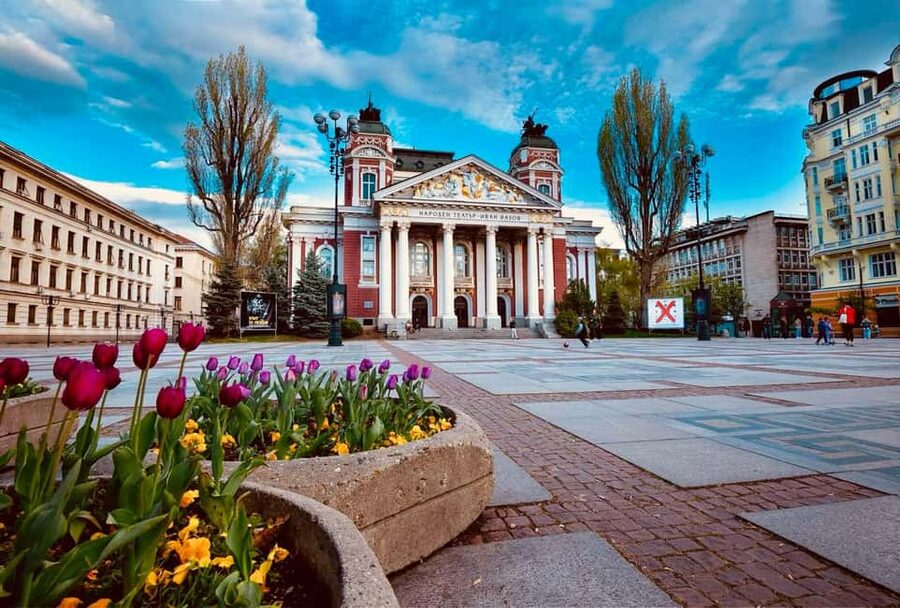
I would choose this for a first visit to Sofia, especially if you have only a short stay. It gives you a map in your head: cathedral, basilica, rotunda, Roman remains, royal sites, government buildings, and the Largo all become familiar before you set off alone.
It also suits solo visitors, couples, families with older children, and anyone who likes history explained in plain language. One family found the children enjoyed the tour, and several solo participants valued the friendly group setting and help with photos.
You should think twice if walking is difficult. The experience is not suitable for people with mobility impairments, and comfortable shoes are essential. The route operates in all weather, so cold, rain, or heat can affect your comfort even when the guide does everything possible to keep the pace sensible.
Final verdict: a strong first look at Sofia
Book this tour if you want Sofia’s main sights tied together by stories rather than visited as isolated monuments. The small group, low price, reliable operation, and strong guiding make it a practical introduction, with Vasil and Vessy bringing particular warmth and detail to the experience.
Skip it only if you need a fully indoor tour, have difficulty walking, or want a specialist visit focused on one period. For most first-time visitors, this is a smart way to spend two hours, or possibly 150 minutes, and it leaves you with useful ideas for the rest of your stay.
FAQ
How long does the Sofia History and Heritage tour last?
The tour is described as lasting two hours. The activity details also state 150 minutes, so you should allow up to two and a half hours.
What is the price?
The price is $18 per person.
Where does the tour meet?
You meet at the stairs in front of Saint Alexander Nevsky Cathedral. The guide holds a sign marked Sofia Tour.
What language is the tour conducted in?
The tour is conducted in English only.
How many people can join the small group?
The small group is limited to 10 participants.
Does the tour operate with only one participant?
Yes. The service is guaranteed to operate even when only one person joins.
Which churches are included?
The walk includes Alexander Nevsky Cathedral and Saint Sofia Basilica. Saint George Rotunda is also visited as one of Sofia’s three major churches on the route.
Is a café stop included?
Yes. There is a short cafeteria break in the middle of the tour to refresh.
What should I bring?
Bring comfortable walking shoes. The tour operates in all weather conditions, so clothing suited to the forecast is also sensible.
Can I cancel the booking?
You can cancel up to 24 hours in advance for a full refund. Reserve now and pay later is also available.
Recently added around Borovets
- Winter hiking to Musala peak from Sofia★ 5.0 · 2 reviews
- The Ultimate Snowmobile Adventure – 7 Rila Lakes & Panichishte★ 4.5 · 7 reviews
- Private Jeep Safari in the Rila Mountains★ 5.0 · 4 reviews
- Rafting on Struma River★ 4.5 · 9 reviews
- Private & Tremendous Jeep Safari in the 7 Rila Lakes area★ 4.0 · 4 reviews
- Ski-doo Snow Safari in Borovets★ 5.0 · 2 reviews
- Ski and Snowboard equipment rental in Borovets★ 4.5 · 4 reviews
- Private-(group) ski or snowboard lessons in Borovets★ 5.0 · 2 reviews
Historical Tours, compared.
Full-day Nis and Serbian History Tour from Sofia
Read our review →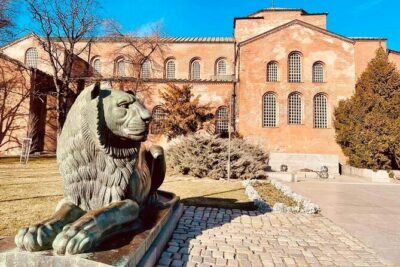
Special History And Wine Tour including Wine Tasting
Read our review →
Sofia Communist History 2-Hour Tour in a Classic Trabant
Read our review →
Rila Monastery and St. Ivan Cave History & Nature Trip from Sofia
Read our review →
Bulgarian Food tasting, cullinary-historical tour, Cooking class
Read our review →
Private Sofia Half Day Tour with Boyana Church and National History Museum
Read our review →
Hiking in Pirin- the UNESCO World Heritage Natural Park with a visit of Bansko
Read our review →Browse the lists this tour appears in